Cape Town’s city centre is waking up with exciting new mixed-use developments that blend homes, shops, offices, and culture all in one place. Old buildings are being transformed into lively hubs where people can live, work, and play together, creating a buzzing city full of energy and life. Projects like City Park and the Rubik tower are changing the skyline and bringing fresh, creative spaces that honor the city’s history while looking to the future. This new way of building is making Cape Town’s heart more vibrant, connected, and ready for generations to come.
What are mixed-use developments and how are they transforming Cape Town’s city centre?
Mixed-use developments in Cape Town combine residential, commercial, and retail spaces within single projects. They revitalize historic sites, foster community interaction, support economic resilience, and create vibrant, adaptable urban environments that blend lifestyle, work, and culture in the city centre.
Shifting Skies: The City’s Changing Urban Landscape
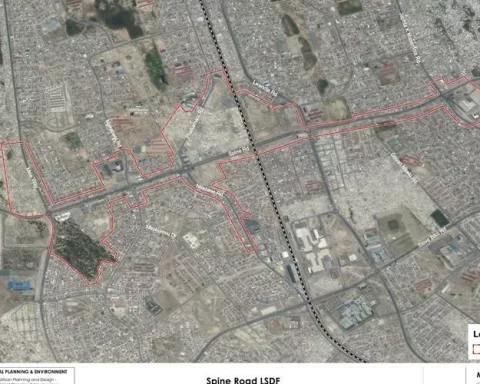
As dawn breaks over Cape Town, the city’s inner core stirs to new rhythms. Once marked by the sound of hurried footsteps from office workers and hospital staff, the streets now echo with the persistent whir of construction cranes. These machines, silhouetted against the morning haze, signal a profound transformation in progress—a deliberate shift from the single-purpose city blocks of yesteryear to lively, multi-layered urban environments. Where monotonous routines once defined the area, a fresh kind of energy now pulses through the city’s veins, with developments like the R1.3 billion City Park at the forefront.
This transformation carries more than just a change in architecture. Cape Town’s evolution reveals a city embracing vibrancy and versatility, challenging old norms with bold new projects. The skyline, once static, now grows ever more dynamic as each project weaves together lifestyle, commerce, and creativity. As these towers rise, they signal not only economic growth but a reimagining of how cities can foster community and opportunity in the heart of the metropolis.
Rising from the city’s foundations, these mixed-use developments seek to do more than fill gaps in the skyline—they aim to reshape daily life. They invite residents, professionals, and visitors alike to partake in a shared urban experience. The transformation is not just visual; it is social, economic, and cultural, promising a more connected and adaptive inner city for generations to come.
Breathing New Life into Historic Spaces: The City Park Reimagining
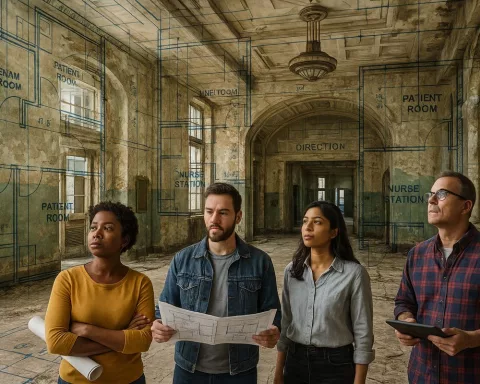
Along the corridor that once housed the Christiaan Barnard Memorial Hospital, history meets the future. The former medical complex is undergoing a dramatic rebirth as City Park, thanks to the combined vision of Ingenuity Property Investments and Kasada Capital Management. Rather than erasing the past, the developers are building upon it, recognizing the significance of the site and updating its role within the city.
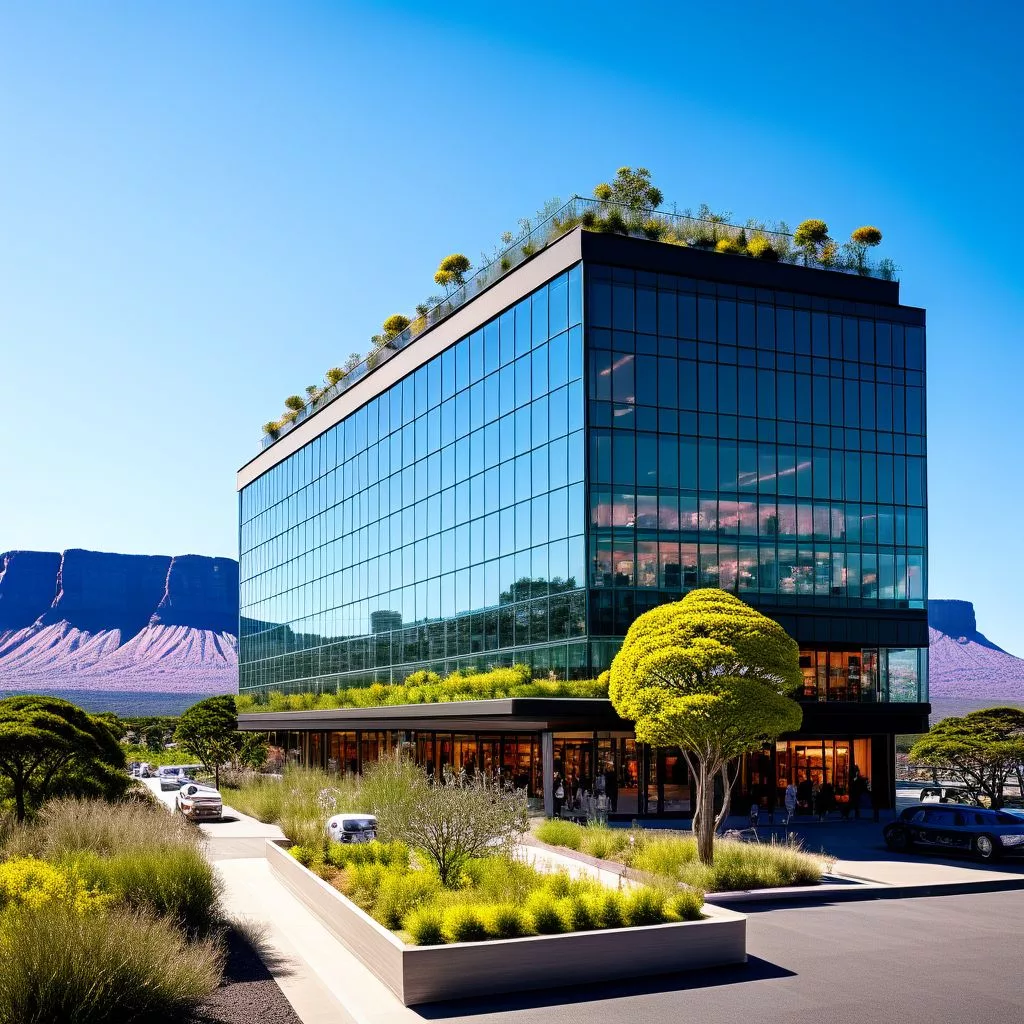
At the core of City Park’s reinvention stands the introduction of Africa’s first Mama Shelter hotel. This brand brings its distinctive blend of playful, unconventional hospitality—a hallmark of its personality around the globe. The development also incorporates retail offerings buzzing with entrepreneurial energy, residences boasting views of the iconic Table Mountain, and co-working hubs designed for modern professionals. This convergence mirrors global trends, with Cape Town now firmly positioning itself as a leader in integrated urban living.
Such projects do not merely reflect a change in architectural style. They transform the way people interact with their surroundings. City Park promises to be more than a collection of buildings; it aims to be a destination—a place where locals and visitors can work, live, shop, and relax, all while soaking in the legacy of a storied site. The project encapsulates the drive to create urban centres that are not only functional but also inspiring, inclusive, and responsive to contemporary needs.
Principles and Pioneers: The Roots and Realities of Mixed-Use Urbanism
The concept of blending different uses within the same neighbourhood traces back centuries to the bustling streets of medieval Europe, where commerce, residence, and craftsmanship coexisted side by side. However, the 20th century saw a move away from this organic mix, as planners drew strict lines between residential, commercial, and industrial zones in pursuit of efficiency and order—an approach championed by Modernist thinkers.
As the shortcomings of this separation became apparent, a new wave of urbanists, including influential voices like Jane Jacobs, championed the value of diverse, overlapping uses. They argued that truly vibrant and resilient cities depend on the interplay between living, working, and leisure. Cape Town’s current developments echo these philosophies, advancing beyond simply placing a few functions in proximity. Instead, the city is now melding residential, commercial, and retail spaces into single entities with seamless connections between them.
Grant Elliott, Chief Operating Officer at Thibault Investments and a leader at the Cape Town Central City Improvement District (CCID), observes that the city’s interpretation of mixed-use development has matured. The vision extends far beyond token gestures; it now entails genuine integration, where different activities and communities coexist and interact within the same precinct. This approach not only responds to changing market demands but also shapes a city that feels alive, adaptive, and inclusive.
One Thibault, for example, stands as a bold testament to this philosophy. Once a dormant office tower, it now thrives as a vibrant mixed-use hub thanks to a R500 million transformation. The building now features apartments, retail spaces, and collaborative work environments, fostering encounters between residents, professionals, and visitors throughout the day. The interplay of activities generates a unique energy—one that blurs the distinctions between daytime business hours and evening leisure.
The Barracks provides another striking example. Formerly an 18th-century heritage property, it has been carefully adapted to accommodate over 60 apartments, wellness amenities, and commercial outlets—all while preserving its historic architecture. Casey Augoustides, co-owner of The Barracks, emphasizes a collaborative approach that extends beyond the building’s walls: “We work closely with neighbours and stakeholders to strengthen our precinct.” Such partnerships cultivate a sense of belonging and investment in the community, with support from both the CCID and the City of Cape Town.
Navigating the Property Market: Strategies for Resilience
In a market prone to cycles and uncertainty, developers in Cape Town have embraced diversity not just as a buzzword but as a pragmatic business strategy. By combining residential, commercial, and retail components within single developments, they protect themselves against downturns in any one sector. As Elliott notes, mixed-use assets offer valuable flexibility—if demand for office space drops, rental apartments or retail outlets can sustain the project’s viability.
This adaptable approach has attracted the interest of international investors, who see Cape Town as a testing ground for innovative urban solutions. The city’s unique blend of cultural heritage and natural beauty further enhances its appeal, allowing developers to create precincts that feel both cosmopolitan and rooted in local identity. As a result, new projects continue to break ground, reinforcing Cape Town’s role as a leader in urban reinvention.
The CCID’s 2023 State of Cape Town Central City Report underscores this momentum, with over R1.75 billion currently invested in mixed-use projects within the CBD alone. These investments are more than financial—they represent confidence in the city’s future as a vibrant, resilient urban centre capable of weathering economic shifts while meeting the needs of a diverse population.
Emerging Icons: The Rubik, Mama Shelter Africa, and The Spindle
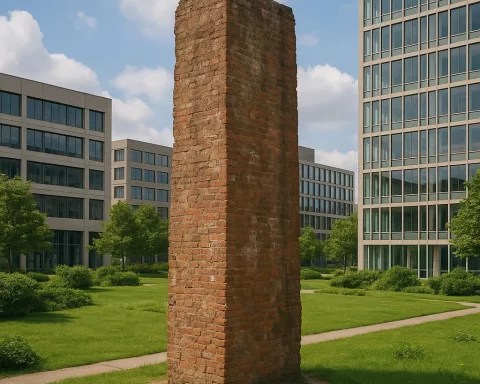
Cape Town’s skyline continues to evolve as new landmarks take shape. The Rubik, a 27-storey glass tower with a price tag of R600 million, exemplifies this wave of innovation. Its striking, angular design reflects both global influences and local character, while its interior offers more than 5,000 square metres of commercial space alongside pet-friendly residential units. The building’s amenities cater to a new generation of city dwellers whose tastes have been shaped by both international travel and a deep appreciation for Cape Town’s distinct lifestyle.
Excitement also surrounds the arrival of Mama Shelter Africa, set to open within City Park. With 127 hotel rooms, 68 branded residences, expansive meeting areas, a rooftop restaurant, and an entertainment zone, Mama Shelter promises to bring fresh energy to the city. The brand’s playful style and inclusive ethos will likely draw a diverse crowd, strengthening Cape Town’s reputation as a cosmopolitan hub where culture, creativity, and hospitality converge.
Looking ahead, The Spindle is poised to make a bold statement on the cityscape by 2025. Rising 60 metres at the intersection of Plein and Spin streets, this forthcoming tower draws inspiration from the area’s silk-spinning past while presenting a contemporary vision of urban living. Its design and location reflect a conscious effort to honour Cape Town’s industrial heritage while simultaneously shaping its future.
Community, Commerce, and Creative Expression
Strolling through these emerging precincts, the city’s transformation feels tangible. Newly activated street-level spaces buzz with independent cafés, boutique shops, and wellness studios, catering to a wide spectrum of people. Co-working environments foster collaboration and spark innovation, while communal lounges provide opportunities for spontaneous social connections. The city’s blend of students, professionals, visitors, and long-term residents helps ensure these developments remain vibrant and inclusive.
Challenges remain, particularly around affordability and the risk of displacement. Nonetheless, a commitment to building adaptable, multi-layered precincts offers hope for a more equitable and sustainable urban future. Developers, city leaders, and community members continue to work together, drawing inspiration from global best practices and tailoring them to Cape Town’s unique context.
Artistic expression also thrives in these reimagined spaces. The inner city, long a bastion of creativity, has seen an infusion of public art, heritage restoration, and investment in performance venues. The Barracks, for example, retains original stonework while displaying contemporary art, bridging the gap between history and the present. In this way, new developments not only accommodate creative works but actively encourage them, transforming the city into a living gallery that reflects its residents’ aspirations and stories.
As Cape Town’s urban landscape transforms, it demonstrates the power of thoughtful, integrated development to breathe new life into the city’s core. By balancing economic vitality, cultural heritage, and inclusive design, these mixed-use marvels offer a blueprint for cities around the world seeking to create more resilient, connected, and inspiring urban centres.
What are mixed-use developments and how are they transforming Cape Town’s city centre?
Mixed-use developments combine residential, commercial, and retail spaces within single projects. In Cape Town, these developments are revitalizing historic sites and fostering vibrant urban environments where people can live, work, shop, and socialize in close proximity. This integration supports economic resilience and community interaction, transforming the city centre into a dynamic, adaptable area that blends lifestyle, commerce, and culture.
Which major projects exemplify Cape Town’s urban revival and what are their key features?
Notable projects include City Park, The Rubik, and The Spindle. City Park transforms the former Christiaan Barnard Memorial Hospital into a lively precinct with Africa’s first Mama Shelter hotel, residences with Table Mountain views, retail spaces, and co-working hubs. The Rubik is a striking 27-storey glass tower offering commercial space and pet-friendly apartments. The Spindle, set to open by 2025, honors the area’s industrial heritage with a modern mixed-use design. Together, these projects are reshaping the skyline and redefining urban living.
How do these developments balance heritage preservation with modern urban needs?
Cape Town’s mixed-use projects consciously integrate historic architecture and sites into their designs. For example, City Park builds upon the legacy of the former hospital, while The Barracks preserves original 18th-century stonework alongside modern amenities. This approach respects the city’s cultural heritage while introducing contemporary uses, creating spaces that are both inspiring and functional. Such sensitive adaptation ensures history remains a vibrant part of the urban fabric.
What economic advantages do mixed-use developments bring to Cape Town?
By combining residential, retail, and office spaces, these developments diversify revenue streams and reduce vulnerability to market fluctuations in any single sector. This flexibility makes projects more resilient during economic downturns. Additionally, they attract international investors looking for innovative urban solutions rooted in local identity. The combined effect supports job creation, tourism, and sustained investment in the city centre’s growth.
How do mixed-use developments enhance community and cultural life in Cape Town?
These developments create lively precincts where locals and visitors engage in daily activities—from shopping and dining to working and socializing—within walkable neighborhoods. They foster collaboration through co-working spaces and support creative expression via public art, heritage restoration, and performance venues. The mix of people and uses encourages inclusivity and spontaneous social interactions, making the inner city a thriving cultural hub.
What challenges do Cape Town’s mixed-use urban projects face and how are stakeholders addressing them?
Key challenges include affordability concerns and the risk of displacing long-term residents. Developers, city officials, and community groups are collaborating to create adaptable precincts that cater to diverse populations while maintaining cultural sensitivity. Drawing on global best practices, they strive to balance economic vitality with social equity, ensuring these vibrant new urban centres remain accessible and sustainable for future generations.