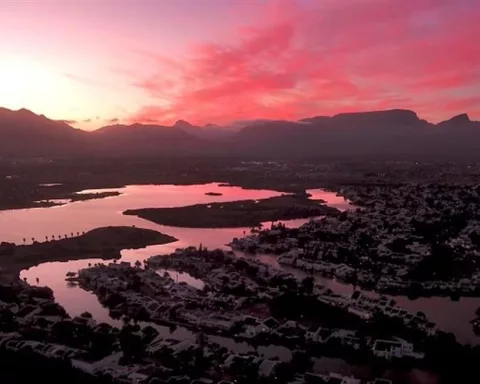
Cape Town is planning a bright future by caring for nature, growing jobs, and inviting everyone to join the conversation. The city is spending over R1.1 billion to restore wetlands, protect its coastline, and upgrade parks and neighborhoods. Leaders are using a new online forum to bring people together, making sure all voices can help shape the city’s plans. This mix of caring for the environment and people aims to build a strong, fair, and beautiful Cape Town for everyone.
What is Cape Town’s plan for a resilient and inclusive future?
Cape Town’s plan focuses on sustainable growth, environmental protection, and community participation by investing over R1.1 billion in spatial planning. Key priorities include wetland restoration, coastal defense, nature reserve upgrades, urban regeneration, job creation, and fostering public engagement through digital forums.
Leadership, Engagement, and the New Forum
As winter settles over Table Bay and the distinct fynbos colors the urban fringe, Cape Town’s leaders rally the community with a sense of purpose. Alderman Eddie Andrews, serving as Deputy Mayor, reaches out—inviting not just policymakers but every resident, local organization, and interested citizen to join a vital discussion. Unlike traditional convocations in city halls, this gathering inhabits a digital arena, signaling a new era of transparency and public involvement. The focus: to lay out Cape Town’s budget priorities for spatial planning and environmental protection, weaving together vision and practical action.
Scheduled for the end of July 2025, this online town hall underscores the city’s evolving approach to governance. Cape Town grounds its participatory ethos in the long struggle for justice and transformation, and today, technology amplifies this spirit. By moving debates and consultations online, city officials enable a broader, more representative conversation—one where distance and circumstance no longer exclude voices. This digital agora dissolves old barriers, inviting residents to challenge, comment, and influence decisions that shape neighborhoods and natural spaces alike.
This commitment to engagement arrives at a critical moment. The city grapples with rapid population growth, shifting social dynamics, and environmental pressures that test the resilience of both infrastructure and communities. Newcomers arrive from across South Africa and the continent, drawn by opportunity and hope, while the land itself becomes a stage for overlapping claims and dreams. In this climate, the budget for Cape Town’s Spatial Planning and Environment Directorate stands at the crossroads of history and necessity, tasked with guiding the city through transformation.
Budgeting for the City’s Living Heritage
The city’s budget, often viewed as a mere list of numbers, takes on deeper meaning when placed against the backdrop of Cape Town’s diverse landscapes and layered history. Over the next three years, the capital allocation exceeds R1.1 billion, while operational spending for the current year totals R1.9 billion. These figures reflect the city’s effort to balance bold ambitions—rooted in a past of grand designs and social engineering—with the urgent needs of today’s residents and ecosystems.
One of the budget’s core priorities centers on Cape Town’s network of vleis, or shallow wetlands, which have served as crucial habitats, recreational spaces, and green lungs for generations. Wetlands such as Zeekoevlei and Milnerton Lagoon provide refuge for birdlife and families alike, yet years of neglect and pollution have jeopardized their ecological health. The city earmarks R198 million to dredge, clean, and restore these vital water bodies, reconnecting Cape Town’s modern ambitions to earlier conservation efforts. Part of this funding will lower the weir at Zeekoevlei, an effort reminiscent of historic Dutch water management, recalibrating flows for a healthier ecosystem.
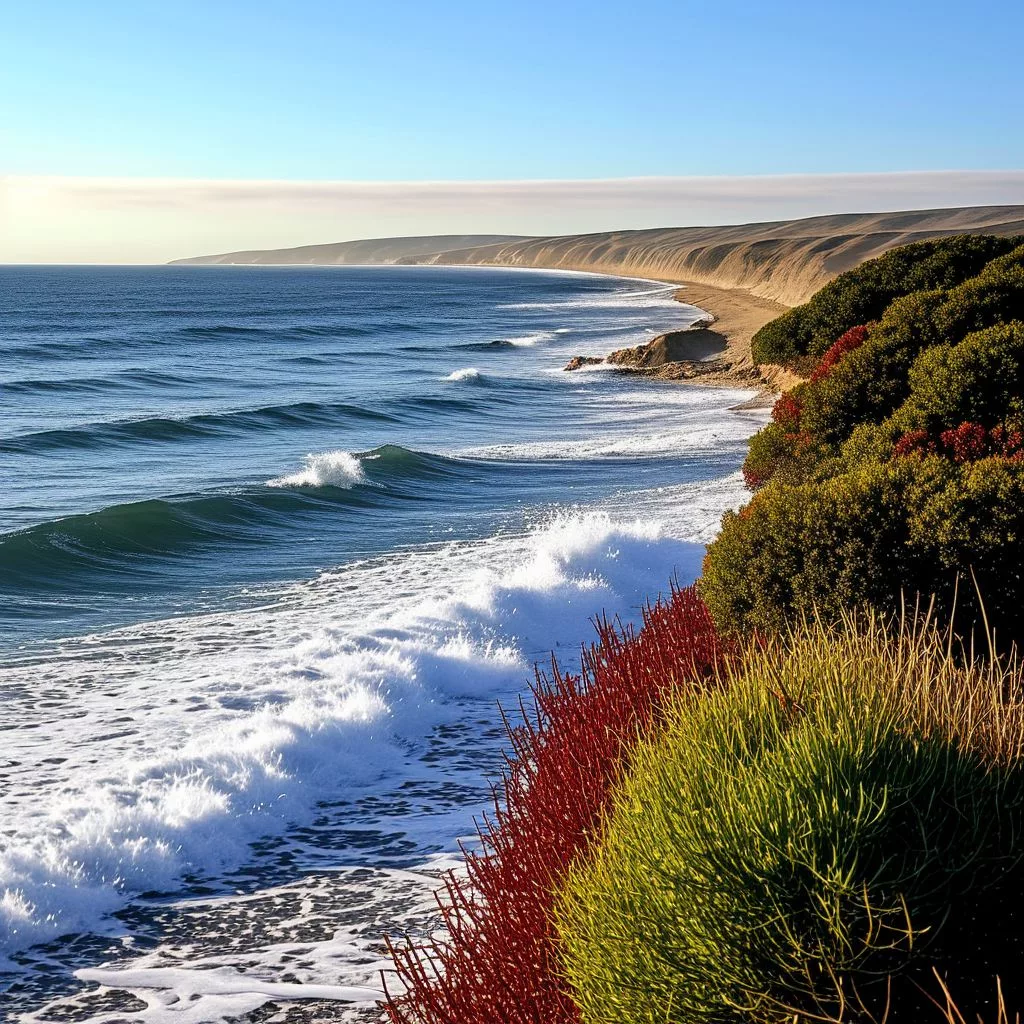
Beyond the wetlands, Cape Town’s extensive 307-kilometer coastline demands ongoing attention. Beaches like Muizenberg and Sea Point have long inspired artists and visitors, representing both natural beauty and shared heritage. Today, these shores face new dangers: rising seas and intensifying storms driven by climate change. To defend vulnerable stretches—from Strand to Table View—the city will invest R338 million in expanding and strengthening sea walls, with additional protection planned specifically for Muizenberg. These upgrades build on a tradition of coastal engineering, now reimagined to prioritize resilience and adaptation in a changing climate.
Nature, Biodiversity, and the Challenge of Urban Growth
Protecting and expanding natural spaces forms another pillar of Cape Town’s three-year plan. The city oversees 21 nature reserves, each serving as both ecological sanctuary and urban refuge. These reserves, nestled between mountains and wetlands, offer educational opportunities, support biodiversity, and provide essential green space for surrounding communities. The budget dedicates R156 million to new fencing and facility upgrades, while another R130 million will fund education centers, including a community hub at Harmony Flats. These investments reflect a vision where public parks and wild places foster both conservation and social well-being.
Yet, Cape Town’s environmental agenda faces relentless threats. Invasive species, such as the destructive Polyphagous Shothole Borer Beetle, challenge the health of city trees and urban forests. To combat this fast-spreading pest, the city allocates R12.6 million for preventative actions, including the hiring of specialized staff. This battle draws on Cape Town’s long legacy of ecological defense, echoing earlier campaigns against invasive plants that have shaped the region’s landscapes.
Urban regeneration also features prominently in the city’s plans, focusing on areas often overlooked amid broader development. Projects will revitalize the Parow station arcade, Salt River precinct, Kruskal Avenue in Bellville, and the historic, yet scarred, Chapel Street in District Six. Collectively, these initiatives receive R128 million for upgrades, reflecting a commitment to balance heritage preservation with needed transformation. Another R27 million will address urban renewal on a broader scale, targeting vulnerable communities and striving to bridge enduring gaps in equity and opportunity.
Regulation, Job Creation, and Public Ownership
Cape Town’s spatial policies draw on decades of negotiation, aiming to manage growth while promoting justice and inclusion. The updated Municipal Planning By-law, set for implementation soon, will guide land use in ways that foster economic opportunity and address historic inequities. Planners and officials review building and development proposals with these principles in mind, working to fulfill the objectives outlined in the city’s Integrated Development Plan and Municipal Spatial Development Framework.
The operational budget translates these policies into everyday impacts. Programs like the Kader Asmal Programme, named after a renowned champion of water rights, direct R33 million toward creating jobs through the removal of invasive alien plants. The Community Ambassador Programme, with a budget of R21.2 million, empowers residents to take charge of their environment. Meanwhile, R15 million supports the Shark Spotters organization, whose work managing marine and wildlife interactions on the South Peninsula has become iconic—signified by their recognizable flags above Muizenberg’s colorful bathing houses.
Maintenance and safety receive ongoing support as well. The city allocates R21 million for repairs to nature reserves and coastal infrastructure, including efforts to stabilize dunes. Security at reserves and coastal facilities commands R65 million, reflecting the ongoing challenges of combating wildlife crime and vandalism. Preserving Cape Town’s heritage claims R5 million from the budget, while another R1.9 million funds the vital clearing of firebreaks, drawing on a tradition that stretches back to the city’s earliest days.
Agriculture and food security find a place in the city’s vision, too. A further R34 million will complete the transformation of the Philippi Fresh Produce Market, establishing a new Agri-hub to support local agribusiness and offer training for entrepreneurs. This integration of food, economic development, and spatial planning recalls the forward-thinking Garden City movement, which sought to blend agriculture with urban life for the benefit of all citizens.
Shaping the City Together: Participation and Possibility
Throughout these initiatives, Cape Town’s leaders emphasize the role of public participation. By opening the budget discussion to all, the city affirms that transformation depends on collective effort—not the dictates of officials alone. The online forum invites residents to critique, question, and help shape the new chapter in Cape Town’s story, blending environmental resilience, economic opportunity, and social inclusion in a single, evolving narrative.
As city officials and residents meet in this digital space, the enduring interplay between natural beauty and urban challenge takes center stage. Each budget line captures a mix of necessity and aspiration, reflecting Cape Town’s unique complexity and hope. The new town hall offers more than a chance to listen; it serves as an invitation to reimagine, engage, and co-create a city that honors its past while embracing a sustainable and inclusive future.
What are the main goals of Cape Town’s plan for a resilient and inclusive future?
Cape Town’s plan aims to foster sustainable growth, protect the environment, and promote community participation. It involves investing over R1.1 billion in spatial planning projects such as wetland restoration, coastal defenses, upgrading nature reserves, urban regeneration, and job creation. The initiative seeks to balance environmental resilience with social equity, ensuring a thriving, fair, and beautiful city for all residents.
How is Cape Town involving the community in its planning and budgeting process?
The city has launched a new online forum and digital town hall meetings—like the one scheduled for July 2025—to engage residents, local organizations, and stakeholders in discussions about budget priorities and spatial planning. This approach promotes transparency and inclusivity by removing traditional barriers to participation, allowing people from all backgrounds to contribute ideas, ask questions, and influence decisions shaping neighborhoods and natural spaces.
What specific environmental projects are prioritized in Cape Town’s budget?
Key environmental investments include R198 million for dredging and restoring critical wetlands like Zeekoevlei and Milnerton Lagoon, R338 million to strengthen sea walls along vulnerable parts of the 307-kilometer coastline (including Muizenberg and Sea Point), and R156 million for upgrading and fencing 21 nature reserves. Additionally, R12.6 million is allocated to combat invasive species such as the Polyphagous Shothole Borer Beetle to protect urban forests.
How does Cape Town plan to manage urban growth while preserving heritage and natural spaces?
The city’s updated Municipal Planning By-law provides a regulatory framework promoting equitable land use and sustainable development aligned with the Integrated Development Plan and Municipal Spatial Development Framework. Urban regeneration projects targeting areas like Parow, Salt River, Bellville, and District Six receive R128 million for upgrades. The plan balances development with heritage preservation, environmental care, and improved access to economic opportunities.
What role does job creation play in Cape Town’s spatial and environmental initiatives?
Job creation is integral to Cape Town’s strategy. The Kader Asmal Programme allocates R33 million to create employment through invasive alien plant removal. The Community Ambassador Programme (R21.2 million) empowers residents to maintain their environments. Furthermore, R34 million supports the Philippi Agri-hub, linking agriculture with urban development and entrepreneurship. These programs emphasize inclusive growth by generating green jobs and fostering community stewardship.
How does Cape Town address safety, maintenance, and food security within its environmental and spatial plans?
The city dedicates significant resources to upkeep and security, including R21 million for repairs to nature reserves and coastal infrastructure, R65 million to secure these areas against wildlife crime and vandalism, and R1.9 million for firebreak clearing to prevent wildfires. Food security is enhanced through investments like the R34 million upgrade of the Philippi Fresh Produce Market and its transformation into an Agri-hub, supporting local agribusiness and training. This comprehensive approach ensures the city is safe, well-maintained, and sustainably nourished.