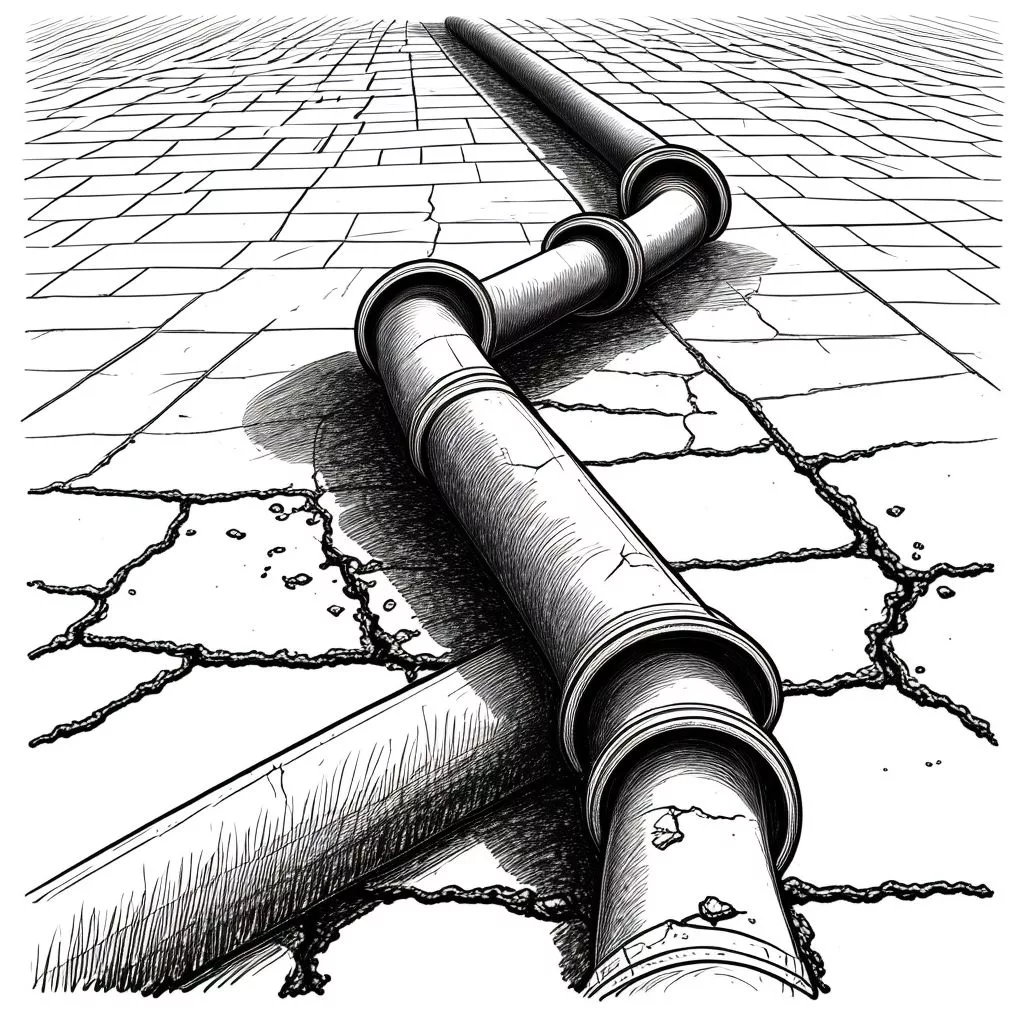
Cape Town sometimes turns off water in certain areas to fix pipes and improve the system for the future. When this happens, people get ready by storing water and sharing tips with their neighbors. Despite the inconvenience, these moments bring the community together, showing how everyone helps each other stay strong during tough times. The city’s careful planning and teamwork keep life flowing, reminding residents that saving water and working as one is key to surviving dry spells.
Why does Cape Town have scheduled water outages and how do residents cope?
Cape Town schedules water outages for essential maintenance and infrastructure upgrades to ensure long-term reliability. Residents prepare by storing water, adjusting routines, and relying on emergency tankers. This coordinated effort reflects the city’s commitment to resilience, conservation, and community cooperation amid ongoing water challenges.
The Pulse of City Life: When Water Stands Still
When Cape Town’s water authorities announce an 11-hour shutoff for essential maintenance, the city shifts gears in quiet but significant ways. This is more than just a temporary disruption—it highlights a much deeper story about how a modern city maintains the lifelines that keep it moving, and how its people adapt together to challenges both planned and unexpected.
As Tuesday morning dawns, the city’s water and sanitation teams get to work before most residents finish their breakfast. Strand, with its breezy coastal streets, faces the first wave of the outage from 9:00 to 20:00 on May 27th. Meanwhile, Wynberg—famous for its leafy boulevards and rich heritage—prepares for back-to-back water interruptions from 8:00 to 19:00 on both the 27th and 28th. For those living and working along Bayview Road and neighboring streets, daily routines slow as crews connect new sections of water pipeline, a task crucial for the area’s future reliability.
City officials release the details in even, businesslike language. But for the people affected, the impact runs deeper. Traffic on Wellington Road thins; shops close early or adjust hours; children walk past normally bustling intersections now marked by the hum of heavy equipment. The city calls on residents in affected zones—between Bower Road and Silverlea Road, for instance—to store enough clean water and prepare for a day without their most basic utility. This is a familiar ritual for many Cape Town families: a reminder that the smooth running of urban life depends on shared effort and cooperation.
Household preparations mark the beginning of a coordinated community response. Neighbors exchange advice on water storage, and social media groups share updates about the outage’s progress. These moments, while inconvenient, foster a sense of collective responsibility—each resident playing a small part in sustaining the city’s vital infrastructure.
Reaching Further: The Challenge in Mfuleni and Khayelitsha
The water interruption ripples outwards, touching more communities on Thursday, May 29th. From 9:00 to 20:00, areas like Driftsands, Mfuleni, and sections of Khayelitsha brace for their own shutdown, as city teams install a substantial 300mm water meter on a main supply line. In these densely populated neighborhoods, managing a water outage involves more than technical skill; it requires understanding and active support from the entire community.
In places like Khayelitsha, where the legacy of apartheid-era planning continues to affect daily life, the withdrawal of water service—even for a few hours—can carry significant consequences. Here, water shortages disrupt not only households but also businesses, schools, and clinics. Yet, the city’s commitment to resilience shines through. Water tankers move systematically through the area, offering emergency supplies and turning an inconvenience into a scene of neighborly cooperation.
Lines at the tankers stretch down the block, but the mood often remains upbeat. Children play while elders chat and share stories about previous crises. Some recall 2018’s “Day Zero,” a period when Cape Town nearly ran out of water entirely. That experience left a mark on the city, shaping a culture where every drop is precious and interruptions—even planned ones—remind everyone of their shared vulnerability and interdependence.
These moments of collective action echo a broader lesson: that a modern metropolis, especially one with Cape Town’s history and diversity, relies on both engineering and community spirit. The city’s response—dispatching water tankers, communicating clearly, and enlisting local leaders to spread the word—demonstrates an evolving model of urban crisis management.
Infrastructure in Transition: Balancing Renewal and Routine
Beneath the city streets and above the ground, Cape Town’s water infrastructure continues its slow transformation. Each scheduled shutdown gives engineers a window to connect new pipes, replace aging sections, and upgrade the system for a growing population. The process demands both precision and sensitivity, as teams strive to minimize disruption while ensuring that every improvement adds resilience.
Long before modern pumps and treatment plants, cities the world over wrestled with the same challenge: how to move water reliably from source to tap. The ancient Romans built enduring aqueducts; nineteenth-century Paris redesigned entire neighborhoods to bring clean water to its citizens. Cape Town stands in that tradition, adapting to new demands while recognizing that no system remains flawless without constant attention.
Public works here serve as both engineering marvels and living symbols of civic ambition. Every new connection, every repaired junction, represents a commitment to keeping the city thriving in the face of natural limits, population surges, and the threat of future droughts. The city’s approach—regular maintenance, clear communication, and community partnership—reflects lessons learned from history’s successes and failures alike.
Still, the rhythm of repair never moves in isolation. Every planned outage depends on the readiness of reservoirs, the flexibility of businesses, and the patience of residents. Water storage and rationing become temporary facts of life, serving as reminders that even the most modern cities remain vulnerable to nature’s unpredictability and the constraints of their own infrastructure.
Reservoirs on Standby and the Call for Cooperation
As the work continues, the shutdown of the Wemmershoek Water Treatment Plant adds an extra layer of complexity to Cape Town’s water ballet. From midnight on May 27th to midnight on the 28th, this crucial facility pauses operations for essential upgrades. The impact spreads across the northern suburbs—touching Kraaifontein, Bloekombos, and Wallacedene—where households must cut back on water use and brace for possible shortages.
In anticipation, city teams top up local reservoirs, ensuring that backup supplies can bridge the gap during the outage. The municipality’s instructions ring out with clarity: fill clean containers, seal them tightly, and be mindful of every drop. Residents of nearby regions, like Drakenstein and Stellenbosch, also receive alerts, highlighting the interconnected nature of the broader water system.
For many, these moments prompt both anxiety and reflection. The city’s quiet reservoirs, usually ignored in daily life, become a focus of collective attention. The pain of the 2017–2018 drought remains fresh: a time when every household felt the looming threat of empty taps. Today, those memories translate into a culture of vigilance—people take shorter showers, avoid watering gardens, and keep a careful eye on their stored reserves.
The city’s strategy, rooted in experience and forward planning, shows how Cape Town’s response to water risk has evolved. Regular maintenance, robust communication, and a network of reservoirs work together to keep disruptions manageable, even as the system undergoes constant renewal.
Everyday Stories: Life in the Midst of Maintenance
Amid the technical jargon and scheduled timetables, the human side of Cape Town’s water story takes center stage. In Strand, local shopkeepers fill sinks and bathtubs, chatting about the best ways to keep vegetables fresh until service resumes. In Wynberg, a popular café announces a rare early closing, apologizing to regulars with extra-friendly smiles. In Mfuleni, parents organize shifts to collect water from tankers, turning a chore into a small neighborhood event.
These scenes reveal the deeper resilience that defines Cape Town. From the vibrant art of Woodstock to the music-filled streets of Langa, the city’s culture thrives on adaptability and mutual support. Even when the taps run dry, a sense of unity persists, reminding everyone that community remains the strongest defense against uncertainty.
Writers and artists find inspiration in these moments of pause. The disruption of a water treatment plant becomes a metaphor for the city’s ongoing journey: vulnerable, yet determined; challenged, but never passive. South African poet Ingrid Jonker captured this duality in her work, describing the city as a living body whose health depends on the flow of its vital resources.
Beyond the Outage: Building a Sustainable Future
Cape Town’s approach to water management draws strength from both crisis and creativity. The specter of Day Zero sparked sweeping changes—new investments in infrastructure, tighter regulations, and a rising awareness of conservation. More residents now install rainwater tanks, use greywater systems, and explore alternative sources like desalination, all signs of a city determined to secure its future.
Engineers, city planners, and community leaders work closely, learning from both local experience and global best practices. Public awareness campaigns reinforce the message that responsible water use is everyone’s responsibility. Scheduled maintenance and planned outages, though inconvenient, have become part of a new normal—evidence that Cape Town chooses preparation over panic.
Ultimately, the city’s response to water interruptions offers a lesson in resilience. Every planned shutdown, every tanker parked on a busy street, speaks to a community that refuses to take its survival for granted. For Cape Town, the temporary pause in water service becomes a moment to reflect, adapt, and recommit to the hard, daily work of sustaining urban life against all odds.
Through grit, cooperation, and vision, Cape Town continues to write its story—one where every interruption, every repair, becomes not just a challenge, but an opportunity to renew the ties that bind city and citizen together.
What causes scheduled water outages in Cape Town?
Cape Town schedules water outages primarily for essential maintenance, infrastructure upgrades, and the installation or replacement of pipelines and meters. These planned interruptions ensure the long-term reliability and resilience of the water system amid growing population demands and aging infrastructure. Maintenance work may include connecting new pipes, upgrading treatment plants, or replacing old sections to prevent future failures.
How do residents prepare for water shutdowns?
Residents prepare by storing clean water in containers ahead of time, adjusting daily routines to minimize water use, and sharing tips within their communities. Social media groups often circulate updates and advice to help people cope. In areas with extended outages, emergency water tankers are deployed to provide temporary supplies, and neighbors frequently assist one another, fostering a spirit of cooperation during these disruptions.
Which areas in Cape Town are most affected by these outages?
Scheduled water interruptions affect various neighborhoods at different times. For example, Strand, Wynberg, Driftsands, Mfuleni, and Khayelitsha have all experienced outages due to pipe work or meter installations. Additionally, northern suburbs like Kraaifontein, Bloekombos, and Wallacedene face challenges when major facilities such as the Wemmershoek Water Treatment Plant temporarily shut down for upgrades.
What support does the city provide during water outages?
The city coordinates emergency water tanker deliveries to affected neighborhoods, ensures reservoirs are topped up before outages, and communicates clearly about schedules and safety measures. Local leaders and community organizations also help spread information and encourage water-saving practices. These combined efforts aim to reduce inconvenience and maintain basic water access during maintenance periods.
How do these outages relate to Cape Town’s broader water challenges?
Cape Town’s water outages highlight ongoing challenges like drought, infrastructure strain, and population growth. The city’s experience with the 2017-2018 “Day Zero” crisis has led to a culture of water conservation and preparedness. Scheduled maintenance and outages are part of a strategic approach to prevent emergencies, improve resilience, and secure the city’s water future through upgrades and community engagement.
What long-term solutions is Cape Town pursuing to improve water security?
Beyond regular maintenance, Cape Town is investing in infrastructure upgrades, promoting water-saving technologies (like rainwater harvesting and greywater reuse), and exploring alternative water sources such as desalination. Public awareness campaigns emphasize responsible water use, while engineering and planning efforts aim to balance renewal with routine service. These steps reflect a commitment to sustainability, ensuring the city can withstand future dry spells and growing demand.