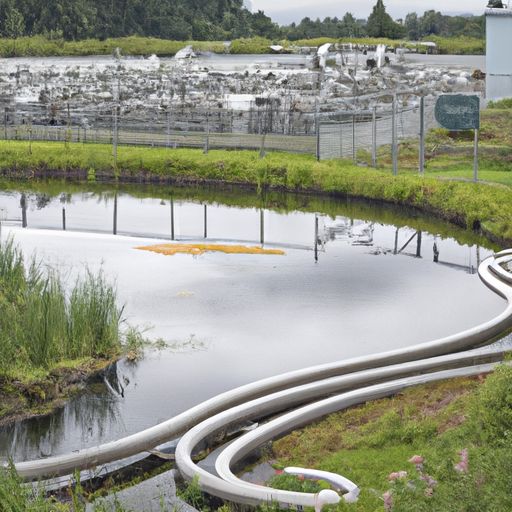
Cape Town, the second-largest city in South Africa, is known for its beautiful landscapes and natural wonders. However, the city has been facing a significant challenge concerning the decline in water quality. Issues affecting the rivers, vleis, waterways, and wetlands have led to severe environmental problems, causing health hazards and affecting the quality of life of residents.
Over the past few years, Cape Town has taken steps towards tackling these issues by organizing various initiatives and partnerships to improve the quality of its water bodies. The most significant initiative to date has been the Western Cape Water Indaba and Innovation Showcase, which aimed to involve innovators in water technology to present their solutions to the challenges affecting Cape Town’s water quality.
The Western Cape Water Indaba and Innovation Showcase
Partnering with the Western Cape Government, the City of Cape Town hosted the Western Cape Water Indaba and Innovation Showcase in March 2023. This event allowed innovators from different backgrounds to present their ideas and solutions concerning water quality issues in Cape Town.
124 water technology innovators sent in their ideas for the Innovation Showcase. Eighty of them were reviewed, and 34 were chosen to show their answers at the Century City Convention Centre. The event gave people a chance to talk to each other and share their ideas, methods, and innovations with other cities and the local government. This helped the City’s efforts reach more people.
During the event, innovators showed off their solutions, such as dry cleaning, low-flush technology, decentralized wastewater treatment plants, sludge digestion, drone technology for security and infrastructure tracking, in-line sensors, and bio-remediation. The New Technology Committee gave people who had come up with new ideas a chance to share them, and their feedback reports are now being looked at.
The Significance of the Western Cape Water Indaba and Innovation Showcase
The Western Cape Water Indaba and Innovation Showcase is a big step toward solving Cape Town’s water quality problems. The event gave the City a chance to deal with a number of problems that were affecting the quality of the water, such as pollution from sewer spills and overflows, land invasions into stormwater infrastructure, and the illegal release of sewage and waste from buildings that weren’t controlled.
The event also gave the City a chance to make a stage for people to interact with the City that was open and honest. It also gave innovators a chance to show off their ideas on a level that is provincial The Innovation Showcase showed that the City cares about people and wants to be a place of hope. It gave locals and developers hope that there is a way to solve the problems with water quality.
In conclusion, the Western Cape Water Indaba and Innovation Showcase is a vital initiative that has already had a positive impact on the City’s leadership in improving inland water quality. The event’s significance lies in the fact that it involved innovators and residents in the City’s efforts, creating a sense of ownership and a shared goal towards improving the quality of life for Cape Town residents. The feedback reports from the innovators will guide the City in the next steps towards ensuring the sustainability and success of these innovations.