Cape Town is boldly changing how it manages water to keep the city safe and healthy for the future. The city is upgrading old pipes, building new water treatment plants, and tapping underground water sources to make sure everyone has clean water. Big investments and smart technology help Cape Town bounce back from droughts and grow stronger every day. This work shines as a powerful example of how a city can protect its water and people with care and vision.
How is Cape Town building a resilient and sustainable water future?
Cape Town is transforming its water security through major investments in infrastructure, technology, and innovation. Key efforts include upgrading wastewater treatment plants, expanding water supply via aquifers, renewing pipes and pumps, and adopting smart water management, ensuring reliable, sustainable water for millions.
Foundations of Progress: Vision, Commitment, and Scale
As the early morning sun brightens Cape Town, an unseen network of pipes and reservoirs quietly sustains daily life. What seems routine to most – turning on a tap or flushing a toilet – actually represents a remarkable saga of foresight, dedication, and substantial financial investment. Driving this transformation, the City of Cape Town’s Water and Sanitation Directorate has established itself as a leader in Africa’s municipal infrastructure sector. For the 2024/2025 financial year, the directorate achieved an unprecedented 94.1% capital expenditure, totalling R3.741 billion. This milestone is a testament to more than just prudent budgeting; it reveals a meticulously planned and executed campaign to secure Cape Town’s water future.
Cape Town’s water infrastructure investment stands out not just in Africa, but globally. Councillor Zahid Badroodien’s declaration, “Every rand invested delivers real value,” sums up the city’s approach: focus resources where they matter most. Each financial decision materializes in tangible advancements – be they state-of-the-art water sources, innovative treatment facilities, or robust flood control systems. The ambition and reach of Cape Town’s efforts recall the grand urban projects that reshaped cities like Paris and London during the industrial age. Today, however, those efforts unfold on African soil, with the well-being of millions at stake.
The numbers reveal Cape Town’s dominance in the field. Over the last three years, the city’s capital budget for water infrastructure soared 91.2% higher than Johannesburg’s and 116.9% above eThekwini’s. Yet, statistics are only the prologue. The city’s investment funds over 150 capital projects, each representing a step forward in modernising the city, fortifying resilience, and fostering optimism for generations to come.
Wastewater Transformation: Engineering for the Future
One of Cape Town’s most ambitious undertakings lies in its overhaul of wastewater treatment capacity. At the heart of this transformation, the Potsdam Wastewater Treatment Works (WWTW) stands as a flagship project. With an investment of R1.089 billion, construction crews have made significant headway on key facilities, including a cutting-edge bioreactor, a modern membrane bioreactor (MBR), and upgraded inlet works. These developments epitomize the city’s commitment to technological innovation and capacity expansion, echoing the engineering feats that defined Europe’s great sewer networks in the nineteenth century.
In Athlone, another critical site, the city dedicated R97.3 million to augment the wastewater treatment works. Two new reactors, C and D, have commenced operation, while thorough refurbishments have revitalized reactors E and F. These upgrades not only address the city’s current demands but also lay the groundwork for a future population surge. By proactively expanding treatment capacity, Cape Town prioritizes both public health and environmental stewardship.
Every step in these projects – each slab poured and each pipe fitted – carries the weight of responsibility. The city’s engineers draw inspiration from historical achievements while focusing on the unique challenges and opportunities presented by Cape Town’s landscape and fast-growing population. The result is a suite of advanced treatment systems designed to meet modern needs while protecting the natural environment.
Safeguarding the Water Supply: Innovation and Resilience
Water has always shaped Cape Town’s destiny, with cycles of drought and plenty leaving a lasting imprint on civic consciousness. The 2018 water crisis remains a vivid memory, compelling city planners to rethink and reinforce their approach to water security. In response, Cape Town allocated R435 million to develop new sources and bolster water supply strategies – a move that signals a shift from crisis response to long-term resilience.
A key cornerstone of this strategy is the Cape Flats Aquifer project, which received R222 million in funding. Here, engineers and scientists work together to transform ancient underground reservoirs into a dependable source of drinking water. Construction at Hanover Park and Philippi Water Treatment Works demonstrates this commitment, with modern facilities rising from the sandy ground. These projects blend time-honoured knowledge with the latest hydrogeological techniques to guarantee that Cape Town’s water supply remains secure.
The city also invests in managed aquifer recharge, a method where treated water is returned to underground aquifers to boost their capacity. With R112.8 million directed to this effort, Cape Town joins cities like Perth and Los Angeles in applying this innovative approach. By carefully replenishing natural reserves, the city builds a buffer against future droughts and sets an example for sustainable urban water management.
Modernising Cape Town’s bulk water infrastructure further strengthens the system. Investments totalling R99.9 million ensure that pipes, pumps, and monitoring systems remain state-of-the-art. New technologies for leak detection and remote oversight help conserve water and maximize efficiency, reinforcing the network’s resilience.
Upgrading the City’s Lifelines: Pipes, Pumps, and People
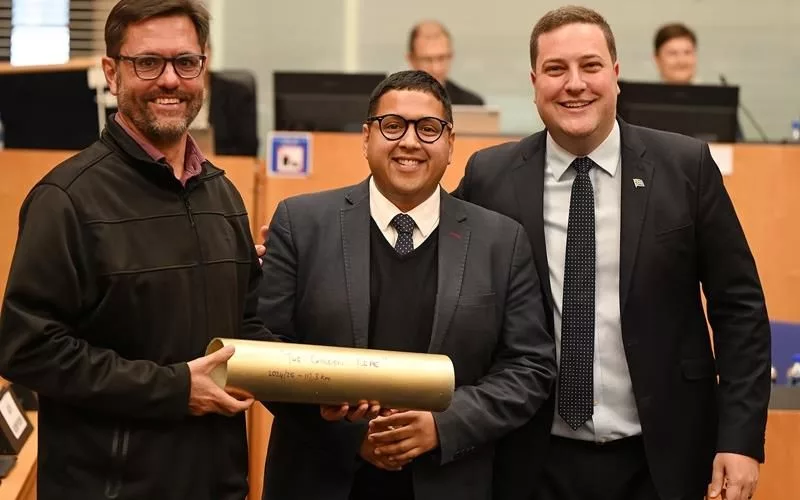
While large-scale projects attract headlines, the daily reality of water security relies on the continual renewal of pipes, pumps, and the teams who maintain them. During the 2024/2025 financial year, the city devoted R688 million to refreshing its water and sewer infrastructure. The replacement of 117 kilometres of sewer pipelines stands as a crowning achievement, earning the prestigious “Golden Pipe Award” and surpassing the original target by 17%. This accomplishment required careful planning, skilled labour, and a relentless focus on minimizing disruption.
Improvements extended beyond sewers. Water distribution upgrades impacted 58 key projects, enhancing service reliability across diverse neighbourhoods. These efforts mirror the postwar European drive to replace aging infrastructure with modern, efficient systems, ensuring that all residents benefit from reliable water services.
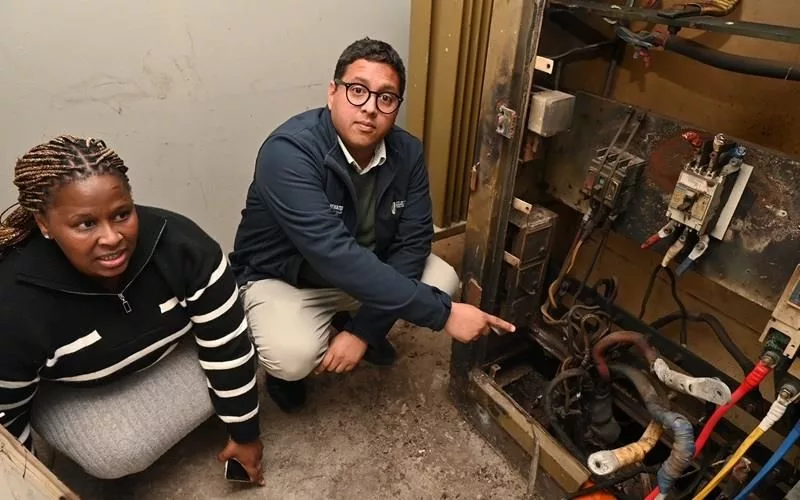
Pump stations – often overlooked but vital – received R154 million in upgrades. These facilities play a crucial role in preventing spills and guarding against environmental hazards. Major rehabilitation in Milnerton, funded with R121 million, increased capacity in a growing area, demonstrating the city’s commitment to aligning expansion with responsible sanitation and environmental care.
Pillars of Progress: Infrastructure, Technology, and Recognition
Each new stretch of pipe, every advanced treatment facility, and all upgraded pump stations form the backbone of Cape Town’s urban life. Projects like the Gordon’s Bay Sewer Rising Main, which introduces 2.6km of new pipeline through an R82.1 million investment, and the Sir Lowry’s Pass River Upgrade, a R84.9 million effort to reduce flood risks, reinforce the city’s commitment to safety and service.
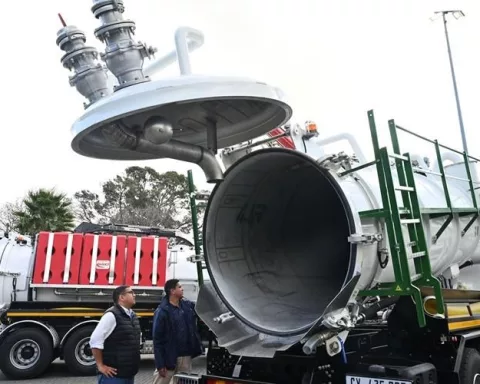
Technological advancements extend to fleet and equipment upgrades, with R103 million allocated to ensure that operational teams can respond quickly and effectively to challenges. The city also advanced its meter replacement programme, investing R71.2 million to improve billing accuracy and enhance water management – a step toward the smart city models seen in global leaders like Singapore and Barcelona.
These achievements have brought well-deserved recognition. The Water and Sanitation Directorate’s entry into the “Billionaires Club” celebrates its ability to exceed R1 billion in capital expenditures, and the Golden Pipe Award highlights its success in infrastructure renewal. At the July 2025 Council meeting, the accolades served as public affirmation of the team’s dedication and capability.
Cape Town’s Model: Leadership in Water Security
Cape Town’s focused approach to water and sanitation infrastructure offers a blueprint for cities across Africa and beyond. With the continent facing a staggering US$30 billion annual shortfall in water investment, Cape Town’s achievements provide practical insights for peers striving to meet the United Nations Sustainable Development Goal 6: ensuring clean water and sanitation for everyone by 2030.
Behind every award and milestone stands a dedicated team. The Water and Sanitation Management Team and Portfolio Committee, pictured with their trophies, embody the spirit of collaboration and resolve that drives the city’s progress. Their work ensures that future generations inherit a city where water remains a foundation of health, dignity, and opportunity.
Cape Town’s journey illustrates how coordinated investment, technical innovation, and civic responsibility can transform urban life. The story goes beyond pipes and treatment plants; it is the story of a city determined to thrive beneath the shadow of Table Mountain, setting new standards for resilience and service in a rapidly changing world.
What are the main strategies Cape Town is using to build a resilient and sustainable water future?
Cape Town is investing heavily in upgrading water infrastructure, adopting innovative technologies, and expanding water sources. Key strategies include modernizing wastewater treatment plants, developing underground water supplies like the Cape Flats Aquifer, renewing aging pipes and pumps, and implementing smart water management systems. These efforts collectively ensure reliable, sustainable water access for millions while enhancing the city’s resilience to future droughts and climate challenges.
How is Cape Town transforming its wastewater treatment capacity?
Cape Town is undertaking major upgrades at its wastewater treatment facilities to increase capacity and improve environmental protection. For example, the Potsdam Wastewater Treatment Works is receiving R1.089 billion for advanced bioreactors and membrane bioreactors, while the Athlone plant has added new reactors and refurbished existing ones with a R97.3 million investment. These improvements not only meet current demand but prepare for future population growth, reflecting Cape Town’s commitment to public health and sustainable water management.
What role does groundwater play in Cape Town’s water security plan?
Groundwater, particularly from the Cape Flats Aquifer, is a crucial component of Cape Town’s diversified water supply strategy. The city has allocated R222 million to tapping and treating this underground reservoir to provide safe drinking water. Additionally, managed aquifer recharge projects, funded with R112.8 million, replenish these natural reserves by injecting treated water underground, creating a sustainable buffer against droughts. This approach aligns Cape Town with other global cities pioneering innovative groundwater management.
How is Cape Town addressing aging water infrastructure like pipes and pumps?
Renewing the city’s water and sewer infrastructure is a top priority. In 2024/2025, Cape Town invested R688 million to replace 117 kilometers of sewer pipelines – exceeding targets and earning the prestigious Golden Pipe Award. The city also upgraded pumps with R154 million, including a major Milnerton rehabilitation project to increase capacity. These upgrades enhance reliability, prevent environmental hazards, and are vital for sustaining Cape Town’s growing population and urban development.
What technological innovations are being adopted to improve water management in Cape Town?
Cape Town integrates smart technologies to optimize water management, including advanced leak detection, remote monitoring systems, and automated meter replacements. Investments of R99.9 million in bulk water infrastructure and R71.2 million in meter upgrades improve efficiency, reduce waste, and enhance billing accuracy. These technologies help the city conserve water resources, respond swiftly to issues, and move toward a smarter, more sustainable urban water system.
How is Cape Town’s water management approach recognized locally and internationally?
Cape Town’s Water and Sanitation Directorate has achieved exceptional capital expenditure milestones – over R3.7 billion in 2024/2025 – and has been honored with awards such as the Golden Pipe Award. The Directorate’s entry into the “Billionaires Club” reflects its ability to exceed R1 billion in capital projects, demonstrating leadership in municipal water infrastructure. Cape Town’s model has become an inspiration for other African cities and aligns with global goals like the United Nations Sustainable Development Goal 6 to ensure clean water and sanitation for all by 2030.