Jannie Mouton plans to buy Curro Holdings and turn it into a nonprofit school network to make quality education more affordable and accessible in South Africa. With a massive R7.2 billion deal, his foundation aims to offer more scholarships and improve school facilities. This bold move could change South African private education forever, shifting the focus from profit to helping more children learn and grow. Mouton’s vision is about building a lasting legacy that opens doors for thousands of students who might otherwise be left out.
In September 2025, South Africans can expect fuel prices to drop thanks to a stronger rand and cheaper global oil. Petrol, diesel, and paraffin will all become a bit more affordable, offering relief to drivers and families struggling with costs. This rare good news brings hope to commuters, taxi operators, and businesses, easing budgets and brightening the mood across the country. For now, the roads buzz with a quiet optimism as the cost of filling up gets a little lighter.
South Africa’s electricity prices are rising because the energy regulator, Nersa, made big mistakes in calculating how much money Eskom needs to run the power system. This error left Eskom short by over R100 billion, forcing a legal battle and a settlement that pushed tariffs up by nearly 9% a year. These higher costs hit families and businesses hard, making electricity less affordable and sparking frustration across the country. The problem reveals deeper issues in South Africa’s power system, showing how crucial it is to fix mistakes quickly and rebuild trust for a brighter energy future.
Charting a New Path for NSFAS: Leadership, Reform, and the Drive for Educational Access
NSFAS helps South African students get money for college, especially those who can’t afford it. New leaders, like Dr. Karen Stander, are fixing past problems by being open, honest, and working closely with others. They are using technology to make things faster and easier, and changing rules to support more students fairly. Even though money is tight, NSFAS is finding ways to help more learners stay in school. Their goal is simple: make education possible for everyone who deserves it.
In 2025, Cape Town’s prime residential market shines bright as a rare gem, offering beautiful homes at affordable prices (€2,600/m²) with steady growth and limited supply. Nestled between stunning mountains and the ocean, the city attracts buyers who seek not just investment, but a vibrant lifestyle full of culture, safety, and nature. While other global cities face uncertainty, Cape Town remains stable and inviting, making it a top choice for people dreaming of both comfort and opportunity. The city’s charm and balanced market make it a place where life feels rich and full, drawing investors and residents alike.
African railways are changing from old colonial tools into powerful lifelines that connect countries and boost economies across the continent. New projects and reforms, like South Africa’s rail modernization and the African Continental Free Trade Area (AfCFTA), are helping railways support trade, jobs, and unity. These steel tracks are becoming symbols of hope, linking people and markets while building a greener, stronger Africa for the future.
The Pulse of Progress: SMMEs and the City of Cape Town’s Economic Growth Initiative
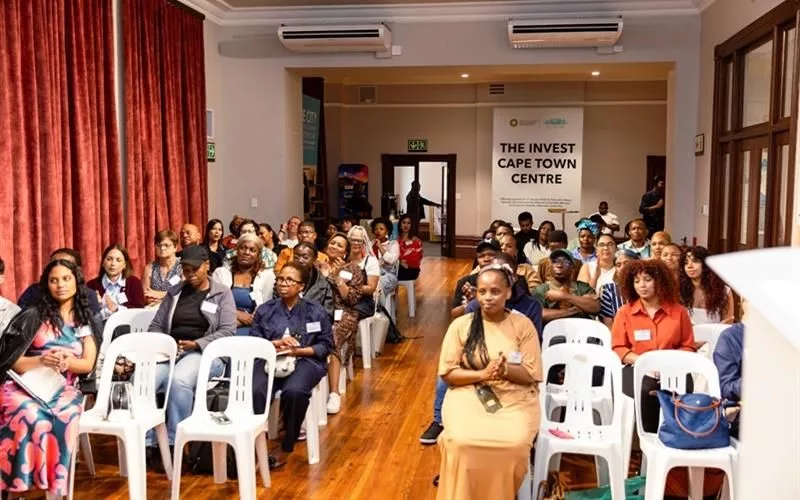
The City of Cape Town helps small businesses grow by offering online events, mentorship, grants, and skills training. These efforts bring energy to the city’s streets, where local vendors and startups thrive. By mixing digital tools with realworld support, the city makes sure all entrepreneurs from busy cafes to tech innovators can join in. This creates a lively community where ideas spread, businesses grow, and the whole city moves forward together.
Starting in 2026, South African private schools must deregister from VAT, which means they face big new tax bills on their buildings and equipment even though they aren’t selling anything. This sudden cost could drain school savings, force fee hikes, delay improvements, or cut bursaries, putting pressure on their budgets and futures. While the government hopes the change simplifies taxes, many schools worry it threatens their ability to keep offering quality education and support to students. Now, school leaders are urgently planning how to protect their traditions and communities in this new, tough financial landscape.
Cape Town is debating whether to sell most of its share in the International Convention Centre (CTICC) to raise money for public services or keep it publicly owned to protect community benefits and transparency. The CTICC is a symbol of the city’s growth and pride, hosting big events and boosting the economy for over 20 years. Some say selling it could bring fresh investment and new energy, while others worry it might limit public access and control. The decision is about more than money it’s about the city’s future and how it values shared spaces and public trust.
South Africa has opened its railways to private companies for the first time in decades, sparking fresh energy and hope for the future. Eleven new operators will run trains on 41 key routes, boosting freight capacity, creating jobs, and easing road traffic. This bold move breaks old state control, inviting competition and investment to grow the country’s economy. The railways, long a symbol of connection and progress, now stand ready to carry South Africa forward with new strength and purpose.
Vehicle recalls are like unseen heroes, quickly fixing hidden car problems that could harm drivers. In 2025, big brands like Ford, Nissan, and Citroën recalled thousands of cars to fix dangerous issues from airbags that might explode to electrical faults and tricky transmissions. These recalls show how carefully manufacturers watch out for our safety and act fast when things go wrong. Though recalls may cause some hassle, they build trust and remind us that keeping drivers safe is a shared mission between makers, regulators, and owners.
South Africa has ended the R500 VAT exemption on imported goods, meaning all online purchases from abroad now face 15% VAT and 20% customs duty. This change aims to protect local jobs and businesses hurt by cheap imports from big foreign sellers like Shein and Temu, who used to avoid taxes by sending small, lowvalue parcels. While shoppers might pay more now, the new rules try to make shopping fair and help South Africa’s clothing and manufacturing industries survive and grow. It’s a big shift that will shape how people buy online and how local businesses compete in the future.
In Cape Town, the EPWP program is giving women important administrative jobs that help them grow skills and confidence. These women handle vital tasks like managing data and ensuring audits run smoothly, proving that their work is key to the city’s success. Through these roles, they not only support city projects but also build leadership, learn new abilities, and open doors to better opportunities. Their dedication turns everyday administration into a powerful path for change and empowerment.
Africa’s cold chain is a special system of refrigerated storage and transport that keeps food fresh from farms to people’s tables. It stops nearly half of fresh food from spoiling, helping farmers earn more and feeding millions across the continent. At the GCCA Africa Conference 2025 in Durban, leaders shared bold ideas using solar power, AI, and blockchain to fix old problems and bring cold storage to rural areas. This cool network not only saves food but also creates jobs, grows economies, and opens doors to global markets. Africa’s cold chain is becoming a powerful force to fight hunger and build a brighter future for all.
Forging Prosperity: The South Africa–Japan Partnership in the Age of African Development
The South Africa–Japan partnership shines as a powerful force fueling growth and progress in Africa. Through smart investments, trade in unique products like Rooibos tea, and joint work on green energy and infrastructure, they create jobs and new opportunities. This long friendship, now stronger than ever, blends deep history with fresh ideas to build a fairer, more sustainable future. Together, they show how teamwork across nations can spark innovation and bring lasting prosperity to the continent.
South Africa is working hard to fight unemployment and build a future based on knowledge and skills. The Human Resource Development Council (HRDC) brings together government, businesses, and communities to improve education, training, and support for young entrepreneurs. They focus on closing the gap between school and work, helping youth gain digital skills, and encouraging small businesses to grow. Even though many young people face big challenges, South Africa believes that teamwork, new ideas, and strong education can create real opportunities for everyone. With determination and smart planning, the country aims to build a brighter, fairer tomorrow.