Dan Marokane, the CEO of Tongaat Hulett, is rumored to be the next Eskom CEO. Marokane’s successful track record at Tongaat Hulett and previous role in Group Capital at Eskom make him a potential candidate to resuscitate the beleaguered state power entity. The prospect of his appointment has elicited mixed reactions, but the hope is for his transformative strategies to reinvigorate Eskom and bolster the country’s power infrastructure.

Cape Town’s Mayor, Geordin HillLewis, has spoken out against the national government’s plan to cut R107m from the city’s housing funding. These cuts are part of a nationwide reduction of grantfunding for provinces and municipalities, potentially reaching hundreds of millions. Mayor HillLewis criticized the government’s failure to prioritize essential services and instead transferring the cuts to provincial and local governments responsible for providing basic services. The city is committed to using all legal avenues to resist further deductions from its equitable share funding.
Deputy President Paul Mashatile gave a talk about South Africa’s commitment to peaceful dispute resolution, economic objectives, and strategies to tackle current issues. He emphasized the importance of global partnerships and engaging beyond existing arrangements without undermining them. Mashatile acknowledged concerns surrounding energy availability, freight logistics, and visa regulation and detailed plans to address these issues. The government’s receptiveness to partnerships and peopleoriented policies underline its resolve to bolster its global standing and make it an attractive destination for investors.
South Africa’s National Health Insurance (NHI) Bill proposes to revolutionize healthcare by centralizing procurement of services and breaking down economic barriers. However, the bill has caused debate and skepticism, with concerns over feasibility and service quality. Despite this, the legislative process is progressing, highlighting the significance of the bill and South Africa’s dedication to social equality. Follow capetown.today for updates on this crucial trend towards healthcare for all.
Embarking on a Revolution: The Journey of 14 Entrepreneurs in the Furniture Light Manufacturing Enterprise Development Programme
The dawn of 5th December 2023 painted a regular picture of Cape Town, with its usual hustle and bustle. However, an extraordinary event was unfolding in the heart of the city. Fourteen ambitious entrepreneurs, all part of the Furniture Light Manufacturing Enterprise Development Programme, were ready to instigate a revolution in the furniture industry. Having successfully navigated the demanding rigours of the programme, they stood on the cusp of a thrilling new chapter.
Johann Rupert, chairman of luxury brand Richemont and South African firm Remgro, expresses concern about the inefficiency of the government’s Black Economic Empowerment (BEE) program and emphasizes the importance of political stability, clear economic policies, and a solid legal framework for attracting investors. While balancing economic transformation and market confidence can be challenging, Rupert’s views spark important discussions about South Africa’s future as an investmentfriendly destination committed to social justice and equity.
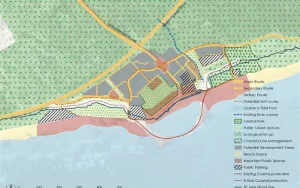
The Strandfontein Coastal Node Development aims to transform a serene resort area in Cape Town into a unified coastal metropolis, covering 19.5 hectares of mixeduse space. The public is invited to participate in the consultation phase of the project to respect and value the voices of Cape Town’s residents. The development promises to bring residential, commercial, and leisure opportunities, as well as rehabilitated wetland areas and recreational facilities for the community to enjoy. This project symbolizes Cape Town’s commitment to striking a balance between urban development and environmental conservation while fostering an inclusive and sustainable future for all.
Harnessing Collective Power to Fight Financial Crimes: The Story of South Africa’s Fusion Centre
South Africa’s Fusion Centre was established in May 2020 to proactively tackle financial crimes by bringing together various agencies, including the National Prosecuting Authority, the Financial Intelligence Centre, and the South African Revenue Service. Its methodology is intelligenceled and encourages the business sector to contribute to enhancing forensic investigation skills. The Fusion Centre has achieved significant successes in investigating and prosecuting corruption cases, obtaining freezing orders, and making significant recoveries, contributing to the country’s fight against corruption.
South Africa’s fuel prices are subject to a complex web of factors, including the international oil market, exchange rates, taxes, and levies. The government’s “slate levy” system aims to balance global and local fuel prices, while regional differences also impact the cost of fuel. Changes in fuel prices have a significant impact on the economy and household budgets, with social media platforms reflecting public sentiment on the issue. Despite the uncertainty of the volatile oil market, South Africans remain resilient in the face of fluctuating fuel costs.
Harambee Youth Employment Accelerator and V&A Waterfront have joined forces to create job opportunities for young people in Cape Town’s tourism industry. Over 600 young individuals have already found employment across 53 businesses in the V&A shopping and leisure complex, with Time Out Market hiring 23 previously unemployed young individuals through the free digital platform SA Youth. The partnership aims to generate 1,000 jobs and create approximately 50,000 opportunities over the next decade, part of Harambee’s commitment to fostering more inclusive youth accessibility to economic opportunities.
Cape Town is working towards sustainable tourism practices aligned with the expectations of today’s informed and responsible travelers. The city’s Responsible Tourism Working Group aims to promote a tourism environment that enhances the tourist experience while improving the quality of life for its inhabitants. The Grand Hotel at GrandWest Casino and Entertainment World is leading the way in sustainable upgrades, investing in green energy solutions, while Cape Town plans to reveal a new charter outlining strategies for sustainable tourism. The city’s commitment to sustainability ensures the preservation of its unique treasures and positions it as a leader in the global shift towards responsible tourism practices.
Cape Town’s Electricity Department achieved SANAS compliance certification, making it the only municipality in South Africa to do so. The department invested R7.3 million in equipping its laboratory with advanced technology, positioning the department as a national leader in adopting and aligning with international best practices. The SANAS accreditation assures the department’s energy distribution and consumption adhere to environmentally acceptable standards, promoting efficiency and environmental responsibility.
Capetown’s Economic Revolution: The Influence of the City’s Business Retention and Expansion Scheme
Cape Town’s business retention and expansion scheme, launched in 2020, has significantly impacted the city’s economy. The initiative has fostered business growth, modernization, and joint energy management, with businesses saving over R11 million in the first quarter of the 2023/2024 fiscal year. The Load Curtailment Programme encourages companies to decrease energy usage, minimizing the risk of load shedding. The program plans to expand its influence to additional areas, extending benefits to a broader spectrum of businesses.
South Africa’s broadcasting system is undergoing a radical transformation, as the Broadcasting Bill B322023 proposes to update and regulate the industry for the digital era. The proposed Bill includes guidelines for transparent and ethical governance of the South African Broadcasting Corporation (SABC) SOC Ltd, reflecting a more inclusive and forwardlooking approach. The public has until January 16, 2023, to provide feedback on the Bill, emphasizing democratic participation in shaping South Africa’s digital future. The revision of the SABC SOC Ltd Bill is a commendable leap forward to spearhead the global digital revolution while ensuring accessibility for all South Africans.
South Africa is making strides towards a more sustainable and selfreliant energy landscape with the Battery Energy Storage IPP Procurement Programme (BESIPPPP). Four top contenders have been appointed to establish projects utilizing renewable energy sources that will contribute 513 MW to the national grid and generate jobs and foster economic development. The programme is part of South Africa’s efforts to shift towards a more sustainable future and secure its energy supply. With further advancements in the pipeline, South Africa is anticipating a bright future for its energy landscape.
South Africa’s National Assembly has passed several crucial Bills, including three monetary bills, which aim to redefine and remodel various facets of the nation’s financial, social, and administrative structures. These fiscal bills seek to make adjustments to tax tables and rebates, expand the services of the South African Post Office, and amend the Companies Act of 2008. The bills now move to the National Council of Provinces for approval. The passage of these bills represents a crucial stride towards a fairer future and underscores the power of active governance, public participation, and an unwavering commitment to progress.