Influencers in South Africa sometimes promote overseas jobs that look exciting but can hide serious dangers like human trafficking and forced labor. Young people, especially women, might be tricked by these false promises because they trust their favorite online stars. Behind the bright posts and videos, some offers lead to abuse and loss of freedom. It’s very important to check carefully and ask for help before chasing these opportunities. This story warns us all to be careful and question what we see online.
Taxi violence in Cape Town is a harsh fight over busy taxi routes, born from years of struggle and need. Early morning scenes at taxi ranks like Makhaza show how quickly peace shatters with gunshots, leaving communities scared and grieving. These battles disrupt daily life, making travel dangerous and markets quiet. Still, amid fear and loss, people keep hoping, coming together to find ways to stop the violence and protect their streets. The taxi ranks tell stories of pain, survival, and the strong spirit of a city that refuses to give up.
Cities fight illegal dumping with strong laws, punishing offenders by impounding vehicles and issuing fines. Police patrol trash hotspots while communities help by reporting illegal dumpers and watching over neighborhoods. New cameras and better waste facilities make it easier to catch and stop those who dump waste carelessly. Together, officials and citizens work to keep the city clean, safe, and full of pride for everyone to enjoy.
Cape Town is fighting to get more control over its local police to better fight gang violence, drug crimes, and gun offenses. The city wants to handle investigations, gather intelligence, and manage forensic testing to make neighborhoods safer. This push comes from the real struggles many communities face daily, where crime affects people’s lives deeply. Cape Town’s leaders hope that by having more power locally, they can protect their people more effectively and build trust between police and residents. The battle for these powers is also part of a bigger story about who should hold control and how to best keep cities safe.
John Hume built the world’s largest private sanctuary for white rhinos in South Africa, hoping to save them by legally selling their horns like a renewable resource. His bold idea mixed business with conservation, drawing attention and hope. But soon, his plans were shadowed by serious legal troubles, with accusations that rhino horns were secretly smuggled to illegal markets. This sparked a fierce debate about whether treating wild animals like commodities helps or harms their survival. Hume’s story remains a powerful and complicated example of ambition clashing with the risks of exploiting nature.
Three South African MPs were attacked in Nyanga while checking on police training, as bricks were thrown at their car, causing injuries. This violent act reveals how dangerous it is for lawmakers to do their important work in places struggling with crime and poverty. Despite the attack, Parliament remains determined to keep watching over public safety and fight for justice. The incident shows both the dangers and the strength of South Africa’s democracy, pushing leaders and communities to work harder for peace and fairness.
Jasveen Sangha, called the “Ketamine Queen,” ran a secret drug network in Hollywood that supplied ketamine to famous people, including actor Matthew Perry. Her home was filled with large amounts of the drug, revealing a hidden world of addiction and danger beneath Hollywood’s glamorous surface. Linked to multiple deaths, Sangha’s story shows how fame and pressure can lead to dark choices. Her arrest sparked a big investigation exposing how some people close to stars helped fuel this deadly cycle. In the end, her rise and fall warn us about the high price of secrets and addiction in the city of dreams.
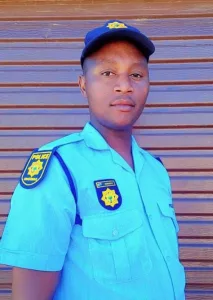
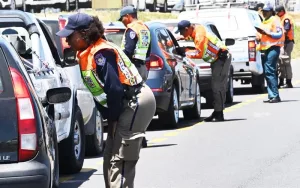
Operation Basadi is a womenled police project in Kraaifontein that blends law enforcement with care and support for the community. On a busy day, officers and volunteers searched hundreds of bags and vehicles, caught criminals, and shared safety tips with residents. Beyond enforcing laws, they helped people facing violence and built strong trust with the neighborhood. This operation shows how teamwork and kindness can make neighborhoods safer and bring people closer together. It’s a bright new way of policing where women lead with both strength and heart.
Dr. Nicholas Chapman, once a trusted doctor in Somerset, shocked his quiet community when it was revealed that he secretly put his semen in a patient’s drink and harassed others. His cruel actions broke deep trust and caused lasting pain for those affected. The medical authorities responded strongly, removing him forever from the UK medical register to protect patients. This sad case reminds us how important honesty and respect are in medicine, especially in close communities where trust runs deep. It also sparked calls for better safeguards to keep patients safe and heal the wounds left behind.
Cyclists in Cape Town face serious dangers riding near informal settlements where crime is rising, making each trip tense and uncertain. The city’s efforts to improve safety include more patrols and calls for better urban planning, but problems like poverty, land struggles, and historical exclusion run deep. The tragic death of a beloved cyclist, Dennis Hammar, highlights how cycling here is about more than transport it’s a fight for safety, dignity, and the right to move freely. Cape Town’s story is one of hope and hardship, where every ride weaves through the city’s complex social challenges.
Paul Mashatile’s expensive Constantia mansion has sparked big questions in South Africa. Many wonder how he can afford such a luxury home on his official salary, especially since the monthly costs far exceed his declared income. The house, along with other pricey properties linked to him and his family, has led to accusations of corruption and hidden wealth. This controversy shines a light on deeper worries about fairness, trust, and power in the country. For many, the mansion is not just a house but a symbol of the ongoing fight for honesty and equality in South Africa.
South Africa’s Oxygen Plant Tender Scandal revealed deep corruption where unlicensed companies won huge contracts, wasting public money meant for hospital oxygen equipment. Minister Dean Macpherson exposed these problems and called for urgent reforms to fix broken rules and bring honesty back to government projects. Thanks to a strong forensic report and brave journalists, corrupt officials are facing investigations, and a new board is working hard to rebuild trust. This scandal is a sharp reminder that fairness and transparency are key to serving the people well.
In South Africa’s cities, sex workers and activists bravely stand up against harsh laws that criminalize their work, demanding safety, respect, and legal rights. Despite growing arrests and slow government action, they keep fighting through protests, art, and court battles to end violence and stigma. Their voices bring real stories and hope to a struggle rooted in history, pushing for a future where sex work is treated with dignity, not punishment.
Gayton McKenzie is a former armed robber who turned his life around to become a South African politician and Minister of Sport, Arts and Culture. He openly talks about his criminal past, using it to expose corruption and challenge rivals like Julius Malema. After serving time in prison, where he exposed corruption, McKenzie reinvented himself by starting a political party and entering government. His bold honesty and sharp words make him a unique and powerful voice in South African politics.
In Blue Downs, people protested loudly because basic services like water, garbage collection, and road repairs were not happening properly for a long time. Frustrated residents blocked roads and clashed with police to make their voices heard after feeling ignored by the government. The protest showed how deep the struggle is, with families, clinics, and local businesses all affected by the disruption. Despite the chaos, the community stayed strong, hoping their demands for fair treatment and better services will finally be answered.
The Tiffany Meek case is a heartbreaking story from Fleurhof, South Africa, where she is accused of killing her 11yearold son, JaydenLee. This tragedy has shaken the community deeply, turning a place once full of hope into one filled with grief and mistrust. The court’s decisions and the unfolding trial highlight big worries about child safety, justice, and broken trust in society. As the case unfolds, it shines a harsh light on the struggles many face in South Africa, and the long road the community must travel toward healing and understanding.