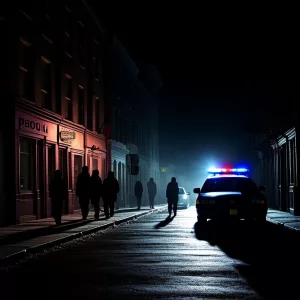
In Cape Town, carrying a physical driver’s licence is not just a rule—it’s a key part of keeping the city safe and orderly. Police recently fined dozens of drivers for not having their licence card, showing how important this little plastic card really is. Beyond just proof of permission, the licence symbolizes trust and responsibility between each driver and the city. In a busy, chaotic place full of cars, buses, and people, having that card ready helps everyone move safely together. It’s a simple act that keeps the city’s rhythm flowing and reminds us all of our shared role in public safety.

In 2023, a shocking video showed Johannesburg’s VIP Protection Unit violently attacking civilians, sparking outrage across South Africa. This exposed deep problems in the police force, including delays and possible coverups in holding officers accountable. The scandal became a symbol of wider struggles with trust, power, and justice in the country. Calls grew louder for independent oversight to fix a broken system and restore faith in the police. The case remains a powerful reminder that real change and fairness are still a fight to win.
Navigating South Africa’s Overcrowded Prisons: Law, Reality, and the Struggle for Change
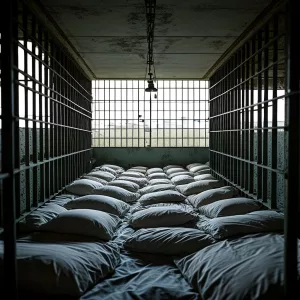
South Africa’s prisons are bursting at the seams, mainly because many people wait too long for their trials and alternatives to jail aren’t used enough. Laws like Section 49G and 62F were made to protect detainees from long waits and offer supervised bail, but slow courts and scarce resources make these rules hard to follow. Inside overcrowded cells, people lose hope as they wait months or years just for a chance to be heard. Some small community efforts bring help and light, but real change needs more than laws—it needs the justice system and society to care deeply and act quickly.
In South Africa, one in three women faces violence from their intimate partners, hiding behind closed doors where fear and pain often go unseen. This crisis is deeply tied to the country’s history and cultural norms, making it hard for many women to escape abuse that is physical, emotional, or financial. Though laws and support groups try to help, many women still suffer in silence, trapped by stigma and lack of resources. Yet, brave survivors, artists, and activists are raising their voices, fighting for safety, respect, and a future where every woman can live free from fear.
The Disappearance and Homecoming of Reamohetse Lekgetha: A Tale of Community, Resilience, and Unanswered Questions
Tenyearold Reamohetse Lekgetha disappeared one July afternoon in Delft, sparking a frantic search by his worried family and a tightknit community. Neighbors, friends, and even strangers joined together, using social media and doortodoor calls, never giving up hope. After a week of fear and unanswered questions, Reamohetse returned home safely, tired but unharmed. Though no one knows exactly where he was, his return brought relief and showed the power of community care and resilience in dark times.
Charlene Overmeyer was sadly taken and killed during a violent home invasion in Lavender, Cape Town. The police worked hard and caught three suspects, with Charles Williams found guilty and given 23 years in prison. This tragic event shows how South Africa continues to fight against crime and tries to bring justice through strong police work and courts. Though the community is hurt, they come together to remember Charlene and find hope for a safer future.
Shadows Over the City of Angels: The Tragedy of Matthew Perry and the Cautionary Tale of Medical Ethics
Matthew Perry’s tragic death was linked to illegal ketamine prescriptions by his doctor, shining a harsh light on the dangers when medical ethics are ignored. Despite clear warning signs, the doctor continued providing the drug, showing how fame and addiction can cloud judgment in healthcare. This sad story warns us that new treatments, like ketamine, must be handled with strict rules and care to protect vulnerable patients. It reminds the world that trust between doctor and patient is sacred and must never be broken.
Parliament Under Fire: South Africa’s Struggle for Accountability in the Face of Security Scandal
In 2025, South Africa’s Parliament faced a huge crisis when top police official Nhlanhla Mkhwanazi accused Minister Mchunu of secretly shutting down a key team fighting political murders and hiding important case files. This sparked fierce investigations into corruption, coverups, and broken trust in government. Parliament responded by setting up special committees to dig deep and demanded openness, whistleblower protection, and stronger justice. The scandal tested South Africa’s democracy, reminding everyone that protecting truth and fairness takes courage and vigilance.
The Patriotic Alliance is in the spotlight after its deputy president, Kenny Kunene, got linked to the murder investigation of DJ Sumbody, a famous Amapiano music star. Kunene was put on leave while an independent probe looks into his role, showing the party’s effort to stay clean. Police also arrested four men, including a businessman tied to the crime world, in a dramatic raid connected to the case. This scandal has shaken South African politics and sparked tough questions about crime, leadership, and justice.
South Africa’s Parliament is fighting hard against gang violence by rebuilding the AntiGang Unit, making police more responsible, and bringing in social support to help communities heal. They are also working to fix pension problems for former civil servants who have waited too long for fair payments. Stories from places like Nelson Mandela Bay show how deeply violence hurts families, while pension struggles reveal old wounds from the past. Parliament is pushing for honest, clear actions that protect people’s safety and dignity. Together, they hope to build a safer, fairer country where everyone can live with peace and respect.
In Cape Town’s busy city center, police work hard every day to fight drug crime. They watch closely, use cameras, and team up with special groups to catch people dealing drugs. Chases and arrests on streets like Strand show how tense and dangerous this work can be. But police alone can’t fix everything—city leaders and communities must also come together to make the streets safer and help those caught in the cycle of addiction and poverty. Through teamwork and care, Cape Town hopes to turn its troubled places into brighter, safer spaces.
Malesela Teffo surprised many when he took back his harsh accusations against singer Kelly Khumalo in the Senzo Meyiwa murder case. Instead, he called for kindness, respect, and fair treatment of Khumalo, urging people to stop harassing her. This change shines a light on the need to protect witnesses and allow justice to unfold without pressure. The long, painful case has stirred deep emotions in South Africa, showing how important fairness and compassion are when seeking the truth.
South African policing is facing a serious crisis as top leaders clash and important police teams are disbanded. Lieutenant General Mkhwanazi revealed that cutting the Political Killings Task Team and stopping Crime Intelligence hiring threatens public safety and trust. This turmoil shows deep problems inside the police, with fears that political interference is weakening their work. The country now stands at a crossroads, needing strong leadership and honest reforms to protect its people and rebuild faith in law enforcement.
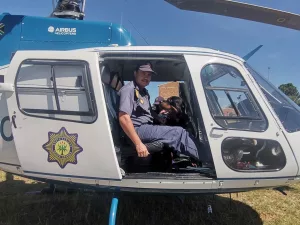
Constable Cobus van Wyk is a brave South African police officer whose life changed after a violent attack. Instead of giving up, he turned his pain into strength, joining the police and working closely with his loyal dog, Kelly. Together, they protect their community through tough patrols and rescue missions, even diving underwater to find missing people. Van Wyk’s story is one of courage, growth, and deep care, showing how everyday heroes make a real difference.
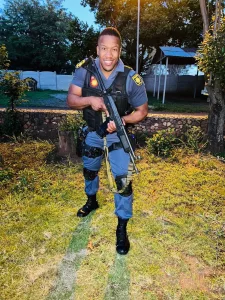
Neo Sedi is a young, passionate South African police officer who is changing the way policing is done in his country. He believes in training officers not just to be strong and skilled, but also fair, caring, and responsible. At the training center, Neo teaches new recruits how to face tough situations with calm and good judgment. His work inspires hope for a safer and kinder future in South African communities. Through his example, Neo shows that real change comes from hard work, learning, and serving others with heart.
South Africa’s prisons are crowded and struggling with old buildings and tight budgets. The government is working hard to fix these problems by improving laws, helping poor detainees get bail, repairing facilities, and stopping private prison contracts. They also focus on programs that teach skills and prepare inmates for a better life after release. These changes aim to make prisons safer, fairer, and more hopeful for the future.