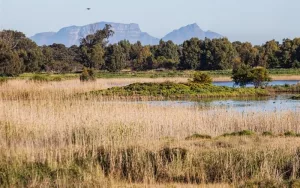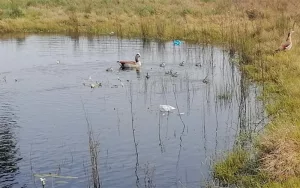
Cape Town’s wetlands are special places full of life, hidden within the busy city. These watery lands help birds, plants, and people by offering homes, fun spaces, and learning spots. Many groups local residents, scientists, and city workers are working together to clean and protect wetlands like Zandvlei, bringing nature back to health. Their efforts show how a city and nature can grow side by side, keeping these magical wetlands alive for the future.
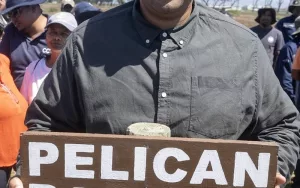
In Cape Town, wetland conservation is incredibly important for protecting wildlife and fighting climate change. On February 17, 2025, a group of passionate volunteers, led by Deputy Mayor Alderman Eddie Andrews, gathered at the False Bay Nature Reserve to clean up the area and restore its beauty. They worked hard to clear paths, remove trash, and get rid of harmful plants, showing their love for nature. This event wasn’t just a local effort; it connected with a global movement to protect wetlands, reminding everyone that caring for our environment is a shared responsibility. As they finished, the reserve shone brighter than ever, ready to welcome both wildlife and the community.
Cape Town is leading a green revolution by giving compost bins to households with gardens, turning food scraps and yard waste into rich soil. This simple act helps reduce harmful gases from landfills and makes gardens healthier, while bringing neighbors together in lively community events. People from all walks of life join in, sharing tips and stories, as the city grows greener and more connected. Though the program currently reaches only some areas, it sparks hope and creativity for a cleaner, brighter future. Each compost bin becomes a small hero in Cape Town’s big story of renewal and care for the earth.
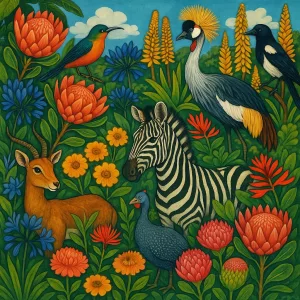
Cape Town is a vibrant treasure chest of nature, known for its amazing plants and animals. The city is committed to protecting this natural beauty through a special plan that blends city growth with environmental care. This plan helps keep Cape Town’s unique ecosystems safe while inviting residents to share their thoughts on how to improve it. As the city looks to the future, it stands proud as a leader in conservation, showing that urban life and nature can happily coexist.
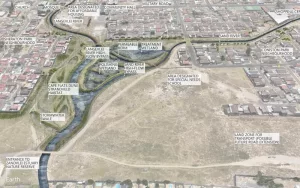
The Sand and Langevlei Canals restoration in Cape Town is a big effort to clean up and bring life back to tired wetlands. By removing mud and trash, and planting native plants, the project aims to improve water quality, reduce flooding, and welcome back frogs, birds, and fish. Local people are helping shape the plan, making sure the canals become a lively green space for everyone. This work is not just about fixing nature it’s about creating a fresh, healthy place where city and wildlife can thrive together.
Silent Waters, Unseen Battles: Confronting Illegal Fishing in Cape Town’s Urban Dams
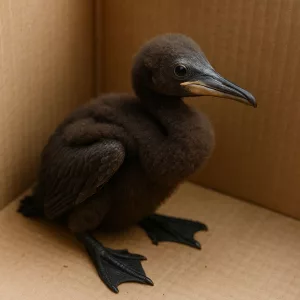
Cape Town’s urban dams like Rosendal look peaceful but face hidden dangers from illegal fishing. Discarded lines and hooks can trap and hurt birds like cormorants and geese, upsetting the balance of this special wildlife sanctuary. Despite rules against fishing, some ignore them, putting the whole ecosystem at risk. Protecting these dams needs everyone to care, follow rules, and help wildlife so that nature and people can live together safely in the city.
Sir Lowry’s Pass Village is a beautiful blend of nature and community, nestled between stunning mountains and open fields. The draft Local Spatial Development Framework (LSDF) aims to improve the village by enhancing services, boosting the local economy, and preserving its rich cultural history. It encourages residents to get involved in shaping their future through public meetings and discussions. This plan seeks to create a lively community where people can enjoy parks, cultural sites, and new development while honoring the village’s past. Together, they can build a bright future for Sir Lowry’s Pass Village!
Cape Town’s beaches shine brightly as top summer spots, known for their breathtaking beauty and clean, clear waters. The city’s innovative “Summer Dashboard” keeps beachgoers informed about water quality, ensuring a fun and safe experience for everyone. From the lively Camps Bay to the peaceful shores of Muizenberg, each beach has its charm. Cape Town’s commitment to keeping its coastline pristine is a model for cities everywhere, showing that nature and community can thrive together.
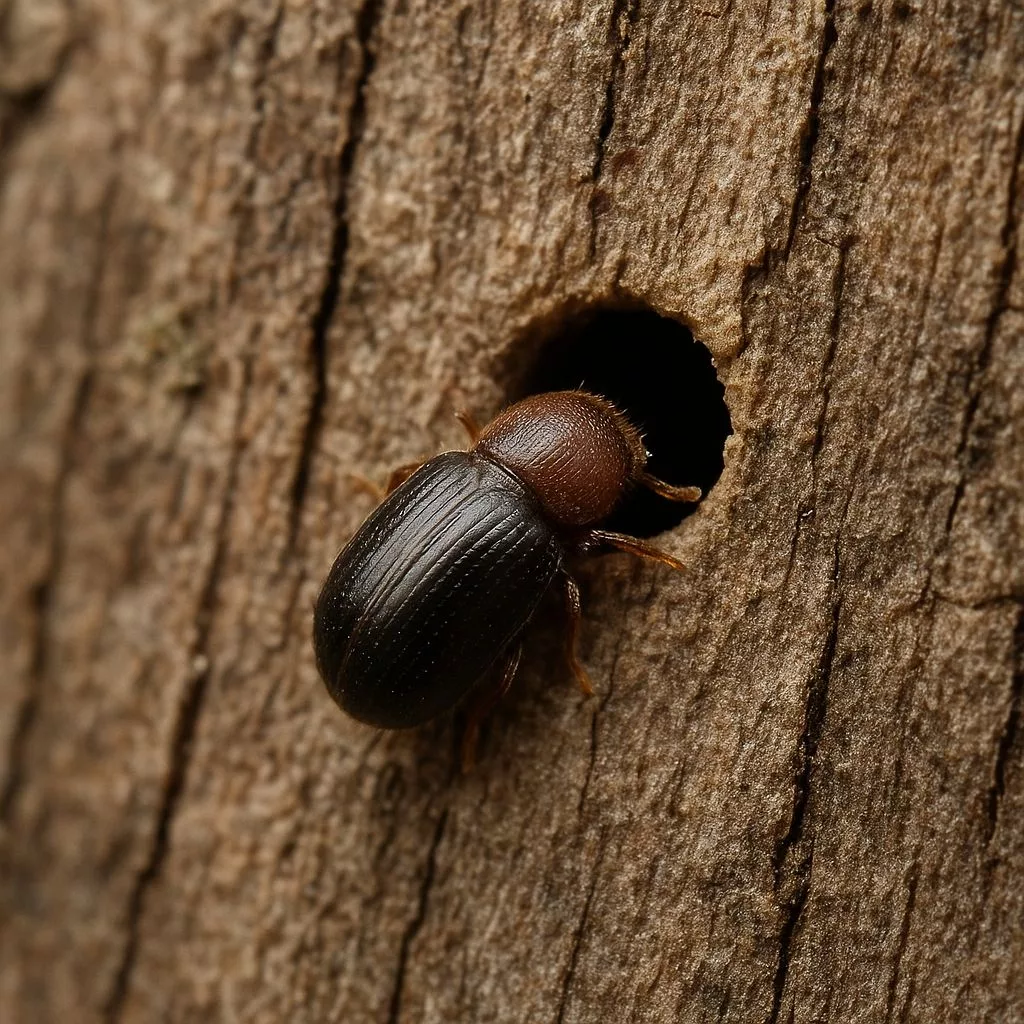
The small but mighty Polyphagous Shot Hole Borer (PSHB) beetle is threatening the beautiful trees of Somerset West, infesting over 5,000 of them, including beloved species like Boxelder and Weeping Willow. To combat this danger, the City of Cape Town is holding a free training session on December 19, 2024, inviting residents to learn how to spot and manage the beetle’s damage. This effort is vital not just for the trees, but for preserving the community’s rich cultural history tied to these natural treasures. By joining together, Somerset West can protect its urban forests and ensure they thrive for future generations.
After a fierce storm in 2023 tore down over 200 of Stellenbosch’s famous oak trees, the community sprang into action with a powerful reforestation effort. Thousands of new oaks and native trees were planted to bring back the town’s green beauty and protect its rich heritage. This rebirth not only restores the City of Oaks’ charm but also strengthens the land against future threats, uniting people around hope, history, and a greener future.
The Elsieskraal River restoration project in South Africa is on a mission to clean up the river and bring back its natural beauty. By removing unwanted poplar trees, this initiative aims to improve water quality and help local plants and animals thrive. The project, led by the City’s Water and Sanitation Directorate, is also creating jobs for the community, making it a winwin for both nature and people. With the goal of finishing by January 2025, this effort shows how we can work together to heal our environment and enjoy it more fully.
As summer arrives in Cape Town, the city’s stunning beaches buzz with excitement from locals and visitors alike. But to keep these coastal gems beautiful, everyone must play their part. Simple actions, like throwing away trash properly and joining cleanup events, can make a huge difference. The city is also using smart technology to monitor and maintain its sewer systems, ensuring the beaches stay clean and inviting. Together, with small efforts and big hearts, Cape Town can shine brightly this festive season!
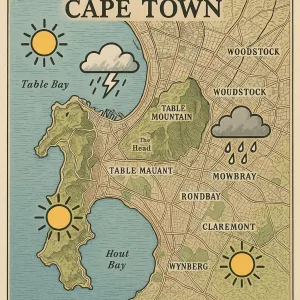
Cape Town is a beautiful city in South Africa, known for its stunning landscapes and vibrant culture. However, it faces serious environmental challenges, like polluted water and waste problems that threaten both health and nature. The city is working hard to improve its water quality and restore its rivers and wetlands, showing a strong commitment to sustainability. Programs are in place to engage the community and encourage everyone to help protect their environment. Cape Town’s journey is a powerful story of resilience and hope, as it strives to create a cleaner, healthier future.
Bergwater Farm in South Africa’s dry Karoo is home to over 200 rescued donkeys, but its future is uncertain due to legal battles and money troubles. The Karoo Donkey Sanctuary moved here hoping for safety and a fresh start, but the farm’s ownership is contested, risking eviction and harm to the animals. Amid tense court fights and looming deadlines, the donkeys remain silent witnesses to a fight about care, compassion, and survival in a harsh land. The sanctuary’s story is a powerful reminder of the fragile hope that rescue efforts bring to vulnerable creatures.
The Cape Animal Welfare Forum’s sterilisation campaign helps pets in poor Cape Town communities by giving free sterilisation to stop overpopulation and keep animals healthy. Since 2013, they have cared for nearly 18,000 cats and dogs, bringing hope and kindness to families. Volunteers and vets work with local people, building trust and teaching how to care for pets better. This quiet effort is changing hearts and neighborhoods, making Cape Town a safer, kinder place for animals and people alike.
Cape Town is a stunning city where mountains meet the sea, bursting with incredible plants and animals found nowhere else on Earth. Known as the most biodiverse city in the world, it proudly protects its unique nature through plans like the Biodiversity Spatial Plan. This plan helps Cape Town manage its natural spaces while keeping the city growing. By involving its community in caring for the environment, Cape Town sets an inspiring example for cities everywhere, showing that people and nature can thrive together.