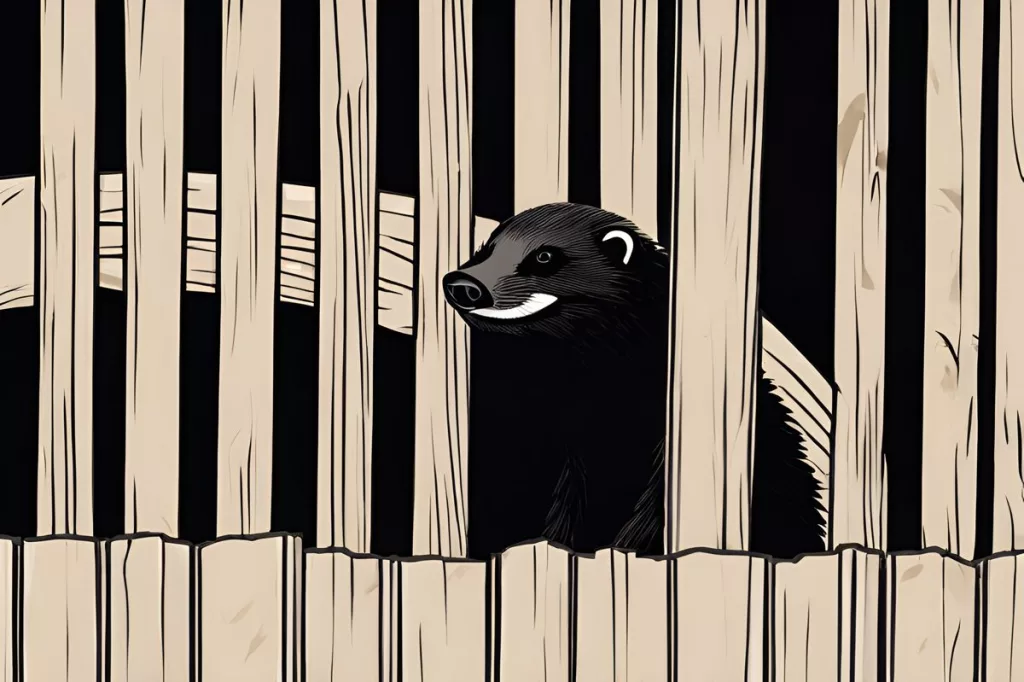
In De Hoop Nature Reserve, a honey badger breached the defense surrounding the African penguin colony and killed 11 penguins. The incident highlights the need for better security measures and a better understanding of landbased predators. Efforts to restore the critically endangered African penguin species continue, with enhancements being made to the colony’s security arrangements. The incident underscores the unpredictable nature of wildlife and the need for continuous adaptation in conservation efforts.
A Remarkable Earth Month Celebration: Disney and National Geographic’s ourHOME Initiative
Disney and National Geographic have joined forces to introduce ourHOME, an initiative aimed at promoting efforts to protect and celebrate the planet. The campaign features compelling narratives demonstrating the measures taken under Disney Planet Possible, which affirms Disney’s commitment to real action for a healthier environment. The initiative also includes exclusive content collections on Disney+, premieres of new Nat Geo series and Disneynature films, and a dedicated ourHOME television spot featuring the voice of Morgan Freeman. The ourHOME Digital Series will also allow viewers to engage directly with Disney Planet Possible stories.
The South African wine industry is adapting to climate change by replanting vineyards to conform to natural contour lines, installing drains to direct rainfall towards a reservoir, fostering biodiversity to enhance soil fertility, and preparing for future climate challenges. The vineyards in Stellenbosch are being extensively restructured to better endure heavy rain episodes, and the goal is to create a harmonious relationship with nature. The industry must prepare for a global temperature escalation of up to 3 degrees Celsius and a 30% shrinkage in annual rainfall by midcentury.
Escape the crowds and find serenity at South Africa’s hidden beaches. From the tranquil Mabibi Beach in KwaZulu Natal to the fairy tale setting of Noetzie Beach on the east side of Knysna, these secluded spots offer a peaceful retreat for those seeking a connection with nature. Whether you want to swim, snorkel, surf, or simply soak up the stunning scenery, these unspoiled treasures provide the perfect sanctuary to recharge and relax.
Cape Town is inviting locals to get involved in its nature reserve advisory committees to create a deeper connection with its green spaces. Protected Area Advisory Committees (PAACs) serve as a link between citizens and the wilderness, encouraging discussion and mutual understanding. The committees are open to all, including neighboring communities and special interest groups, and offer a chance to become protectors of the city’s natural wealth.
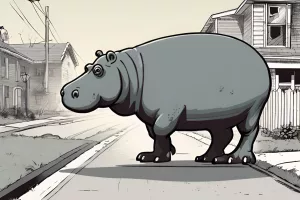
A hippopotamus surprised Cape Town residents by strolling down the streets of Grassy Park in the early hours of a Saturday morning. The Cape of Good Hope SPCA’s Wildlife Department promptly intervened and successfully led the hippo back to its natural habitat in the Rondevlei Nature Reserve. While hippos are commonly sighted in some South African regions, it is rare for them to venture into urban areas. It is important to remember to maintain a safe distance and seek help from wildlife officials if encountering wild animals.
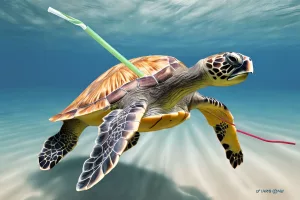
The V&A Waterfront in Cape Town plans to build a turtle conservation centre, which will be open to the public and function as a sanctuary for turtles. The project, costing between R30 to R50 million, aims to address the urgent need to safeguard endangered turtle species, which face threats from extreme weather and plastic pollution. The Two Oceans Aquarium Foundation has expressed excitement for the upcoming conservatory and proposed funding proposals to support the project. The initiative emphasises the shared responsibility to conserve endangered species.
South Africa is making significant contributions to the global fight against plastic pollution by participating in the Intergovernmental Negotiating Committee’s fourth session (INC4) in Ottawa, Canada. With a deep understanding of the harmful impacts of plastic pollution on land, water, and marine ecosystems, South Africa is committed to implementing strategies that bolster waste management services, encourage recycling systems and raise public awareness through cleanup campaigns. The country’s negotiation strategy is fortified by its Constitution’s pledge to safeguard an unspoiled environment and protect it from plastic pollution.
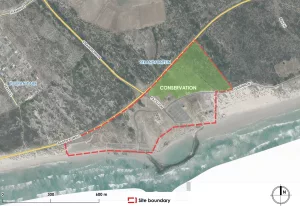
The Strandfontein Coastal Development is a project by the City of Cape Town to transform an underutilized coastal region into a mixedpurpose urban hub while safeguarding the environment. The plan includes biodiversity, socioeconomic growth spaces, job creation, and residential opportunities. The City is engaging an independent environmental consultant to ensure strict adherence to environmental norms. The public will have opportunities to engage and offer feedback throughout the development process, demonstrating the City’s commitment to community welfare and environmental preservation.
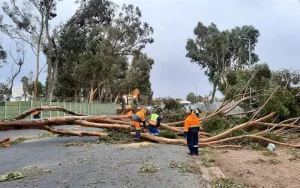
The Recreation and Parks Department’s tree emergency squads responded to an unprecedented 108 incidents in a single weekend as galeforce winds swept through the city. These unsung heroes protect public safety and preserve the urban environment, serving as the final barrier against treerelated threats. Each incident poses a fresh set of challenges requiring considerable expertise and skill, and citizens are urged to report tree emergencies to ensure their pivotal role in urban forestry.
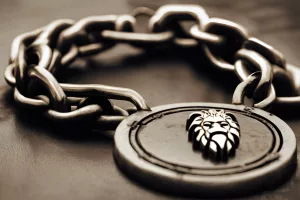
South Africa has announced plans to end the breeding of captive lions for hunting, which has been heavily criticized by animal rights advocates and conservationists. The government has given breeders a twoyear grace period to switch their business approach and exit from the sector voluntarily. This move follows global backlash against trophy hunting and marks a shift towards aligning with international conservation trends and domestic policy changes.
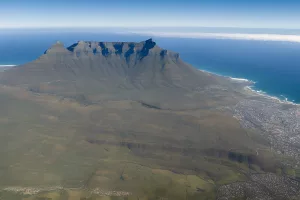
Table Mountain is a majestic icon of Cape Town, offering unbeatable views that merge city life and nature. It’s a hub of biodiversity and geological magnificence, and a frontrunner in environmental conservation and community enhancement. The mountain is a globally preferred tourist destination, and its nomination for the World Travel Awards reinforces its position among the world’s most respected landmarks. You can show your support for this iconic mountain by visiting the World Travel Awards website and casting your vote.
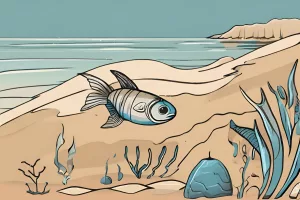
Conservationists are working to save the unique Clanwilliam sandfish from extinction by rescuing young fish from the Biedouw River and relocating them to dam “nurseries” on private farms. Thanks to this initiative, hundreds of sandfish have returned to the river to breed, indicating a positive impact on their population. The success of this collaboration between conservationists, farmers, and community members serves as an example of the power of preserving biodiversity and the interdependence of all life forms.
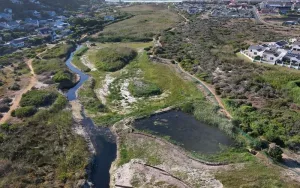
The Lower Silvermine Wetland dredging project was a crucial initiative to preserve the ecosystem’s balance, reduce flood hazards, and create a safe breeding environment for threatened species. The project eliminated silt, invasive plants, and reeds overpowering the natural landscape while promoting the growth of native plant species. The LSW serves as a model for other city waterways, providing spaces for leisure activities while ensuring a safe habitat for various wildlife and enhancing overall environmental, physical, and mental health.
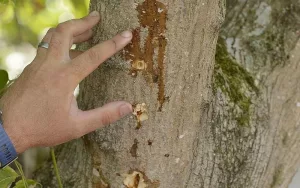
The Polyphagous Shot Hole Borer Beetle Infestation, an invasive species, has spread beyond its traditional hotspots in Cape Town, with the first sighting reported in Penhill, Eerste River. The beetle poses a significant threat to the local flora, and urgent action is required to contain its spread. The City of Cape Town is urging residents to report any sightings and participate in free training sessions to handle the situation responsibly. The gravity of the threat highlights the need for caution and preservation of Cape Town’s urban forests.
A Brighter Tafelsig: Waste Education for Community Wellness and Environmental Conservation
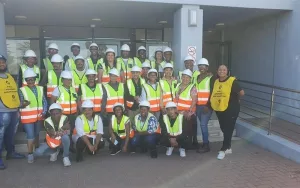
Waste management education is transforming the Tafelsig community in Cape Town, with the Urban Waste Management Public Awareness, Communication, and Education team and Wolfgat Nature Reserve leading the charge. The community has been educated on proper waste disposal, the negative impacts of illegal dumping, and the importance of recycling and community cleanup campaigns. Through collective responsibility, Cape Town is working towards a cleaner, healthier environment. Their efforts underline the critical role of education in not only addressing waste management but also nurturing a sense of community, responsibility, and pride for their city.