South Africa’s 2025/26 parliamentary budget of R5.08 billion supports vital work like running Parliament, overseeing government actions, and serving members. Inspired by the historic Freedom Charter, which calls for freedom, equality, and justice, this budget aims to strengthen democracy and renew Parliament’s buildings and systems. Parliament actively listens to the people, fights inequality, and looks to the future with new technology and wider global engagement. This budget is more than money—it’s a commitment to building a fairer, stronger South Africa for all.
Inside the Chambers: President Cyril Ramaphosa’s Budget Vote Reply and the Anatomy of Parliamentary Engagement
Each year, President Cyril Ramaphosa stands in South Africa’s Parliament to explain and defend the government’s budget plans, focusing on big goals like growing the economy, improving healthcare, and boosting education. This important moment mixes facts with stories, helping everyone understand how public money will be used. The lively debates take place in a historic chamber that connects the nation’s past and future, while technology lets people watch and join in from afar. Through this mix of tradition and new ways of engaging, Parliament keeps the country’s democracy alive and open to all.
On 22 July 2025, South Africa’s Parliament came alive with urgent debates and important decisions. They renewed efforts to investigate statutory rape, aiming to protect young victims and bring justice. Lawmakers also focused on appointing trustworthy pension fund managers and tackled big bills about Eskom’s debt, taxes, and gambling rules. Throughout the day, the spirit of fairness, transparency, and hope for a better future shone brightly in their work.
Cape Town’s coffee culture is a lively mix of history, art, and community spirit. Its cafés serve carefully crafted coffee that tells stories of faraway lands and local roots, turning each cup into a small adventure. Places like Rosetta Roastery and Ground Art Caffe offer warm, creative spaces where people gather, connect, and share ideas. Here, coffee isn’t just a drink—it’s a way to celebrate life, friendship, and the city’s colorful, welcoming energy.
Starting August 1, 2025, Cape Town’s Metrorail fares will rise for the first time in ten years, with short trips costing a little more and monthly passes jumping sharply. The price increase aims to help fix broken trains and stations while keeping longer trips affordable for lowincome riders. Discounts for pensioners and students during offpeak hours will stay, showing care for those who need it most. Though the hike worries many commuters, it also promises safer, better rides on a rail system that connects the city’s diverse communities every day.
Hope and Hardship on the Slopes: Imizamo Yethu’s Battle with Broken Infrastructure
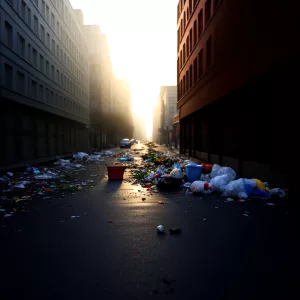
Imizamo Yethu is a vibrant community struggling with broken sewage pipes and overflowing waste that turn streets and even the beloved basketball court into unsafe places. Despite the stench and health risks, children sneak back onto the damaged court, showing their strong hope and love for play. The old sewer system can’t keep up with the growing population, making life messy and dangerous. While the city plans upgrades years from now, residents build makeshift bridges over sewage and keep pushing for clean water, safe homes, and respect. Their fight is one of courage and determination amid hardship.
The Wilderness Hotel on South Africa’s Garden Route has been a beloved landmark for over a century, known for its royal visits and important local gatherings. Now, under Anew Hotels & Resorts, it’s being beautifully restored to blend its historic charm with fresh, modern comforts. Surrounded by stunning nature, the hotel will celebrate local culture, art, and sustainability, creating a warm and lively space for both visitors and the community. Soon reopening, it promises to be a bright new chapter that honors its past while welcoming the future.
Shadows Across the Screen: South Africa’s Battle Against Digital Exploitation in the Age of Meta
South Africa is fighting hard to stop child exploitation on Meta’s platforms like Instagram and WhatsApp. The Johannesburg High Court ordered Meta to remove harmful images of minors and share user data to catch the offenders. Although Meta took down some accounts, new ones quickly appear, making it a constant, frustrating battle. Experts warn that the problem is like a digital Hydra—cut one head off, and two more grow back. Families suffer deeply, and South Africa pushes for stronger rules to protect children in the fastchanging online world.
Mpox, a virus causing fever and a distinctive rash, has returned to Cape Town, sparking concern across the city. Health officials are acting fast with vaccinations and clear public messages to stop its spread and protect those most at risk. Communities are coming together, learning about symptoms, and supporting each other to stay safe. Though the challenge is new, Cape Town faces it with hope, teamwork, and strong care.
Cape Town is investing over R300 million to breathe new life into parks, cemeteries, libraries, clinics, and shelters across the city. This bold plan will create 100,000 new burial plots, refresh beloved recreational spots, and bring modern technology to libraries, making them vibrant hubs for learning. Health clinics and safe shelters are also getting upgrades to better care for the community. Together, these projects aim to honor the city’s heritage while building welcoming spaces where everyone can connect, heal, and grow.
South Africa’s Road Accident Fund (RAF), once a promise of support for accident victims, is now in deep trouble. Years of boardroom fights, poor leadership, and costly legal battles have drained its money and slowed payments to those who need help most. The government stepped in, dissolving the board to fix the chaos and restore public trust. With urgent reforms planned, there’s hope the RAF can heal and once again protect thousands of families facing hardship after road accidents.
SASSA is changing how social grants are given in South Africa by using new technology like biometric checks to make sure only the right people get help. This helps stop fraud but means many must visit offices for reviews, causing long lines and stress for some. Payment dates have also shifted for those under review, urging people to update their information quickly. While these changes aim to improve fairness and efficiency, challenges remain for those without easy tech access or who live far from service points. SASSA’s goal is to balance smart systems with care, so no one loses the support they need.
Cape Town is fighting a new South African law that takes away local control over buying goods and services, which the city says could slow down urgent actions like emergency supplies. The city’s leaders worry this law will make it harder to respond quickly in crises and weaken democracy by centralizing power in the national government. Cape Town’s bold move to bring the case straight to the Constitutional Court shows how serious the issue is, as it could shape the future balance between national rules and local freedom. Many people are watching closely, knowing this decision will affect not just Cape Town but the whole country’s way of governing.
Cape Town’s Vision 2050 is a bold plan to build a fairer, greener, and more connected city. The city aims for most people to use public transport, rely on renewable energy, and have better water sources by midcentury. It also plans to create thousands of affordable homes each year to help bridge social divides. This vision invites everyone in the community to join hands and shape a future where Cape Town’s history and beauty inspire a brighter, united tomorrow.
South Africa’s Driver’s Licence Crisis: Breakdown, Backlogs, and the Fight for Solutions
South Africa is facing a big problem with driver’s licences because an old, single machine broke down, stopping over 600,000 licences from being printed. This mess came from years of poor planning and delays, leaving many drivers stuck and worried about their legal right to drive. The government is trying new ideas, like making a new printing machine with help from another department, and giving drivers a grace period while they fix things. Despite the troubles, people keep hoping and working together to find solutions and get back on the road.
South Africa’s Truth and Reconciliation Commission (TRC) was created to uncover the truths of apartheidera crimes by encouraging open storytelling and forgiveness. It gave victims and perpetrators a stage to share painful memories, hoping to heal the nation, but many cases were left without justice. Though the TRC revealed harsh truths and inspired hope, deep wounds and inequalities remain, showing that true healing is still a work in progress. The journey continues as families, activists, and artists keep memories alive, demanding justice and a fairer future.