Ozzy Osbourne, the legendary “Prince of Darkness,” changed music forever with his deep, powerful voice and wild stage shows as Black Sabbath’s frontman. Growing up in tough, gray Birmingham, he turned his struggles into dark, heavy sounds that spoke to a restless generation. Even after battles with addiction and chaos in his life, Ozzy rose again as a solo star, inspiring countless musicians and fans worldwide. His raw energy, bold style, and unforgettable spirit made him a rock icon whose influence will live on forever.

Parliament’s Joint Oversight Visits Free State: A Turning Point for Troubled Municipalities
Parliament’s joint oversight visit to Free State’s troubled municipalities is a bold effort to fix deep problems like money mismanagement and poor services. Leaders from different government bodies have come together to ask tough questions and demand clear plans for change. Communities, tired of broken promises, watch closely, hoping this teamwork will bring back clean water, rubbish collection, and trust in local leaders. This visit marks a hopeful step toward better, fairer local government that truly listens to its people.
South Africa’s 2025/26 Health Department budget is a bold plan to improve healthcare for everyone. It focuses on building new hospitals, hiring thousands of doctors and health workers, and using smart technology to plan better services. The government aims to make healthcare fair and easy to access, no matter where people live or how much money they have. Big efforts will also continue to fight HIV/AIDS and tuberculosis with new treatments and steady support. This budget brings hope for a healthier, stronger South Africa.
South Africa’s 2023 Marriage Bill aims to bring all kinds of marriages—civil, customary, religious, and samesex—under one fair and equal law. In the Free State, people from all walks of life gathered to share their stories and hopes, helping lawmakers shape a law that truly fits their lives. The Bill protects rights like setting 18 as the minimum marriage age, fights fraud, and respects traditions while pushing for fairness and equality. This lively and open conversation shows how South Africans are building a future where every marriage and every voice counts.
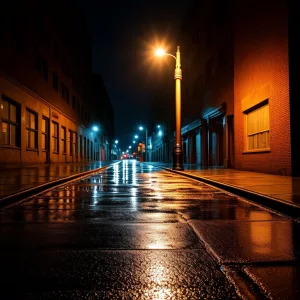
Streetlights are the city’s quiet heroes, lighting up streets to keep people safe and help them feel secure at night. Fixing broken lights is a big job that involves many workers and the community, especially as storms, vandalism, and theft often cause damage. When a streetlight goes out, shadows take over and the city feels a little less safe, showing just how important these glowing beacons really are. Through teamwork and smart technology, the city works hard to keep every corner bright, making sure everyone can walk home safely after dark.
Project 300 is Cape Town’s bold effort to hire 300 new safety officers while fixing old unfairness from the past. Thousands applied, showing how much people want a better future. The city made sure the hiring was fair, giving extra training when needed and making sure the new team reflects Cape Town’s diverse communities. Despite rumors, the project builds trust by opening doors and helping people grow, proving that fairness and hope can go hand in hand.
Water is the quiet heartbeat of a city, and keeping its pipes and valves in good shape is a daily dance beneath our feet. In Cape Town, crews work carefully to fix leaks, replace old pipes, and clean reservoirs so everyone has clean, steady water. Though the work can cause brief disruptions—like lower water pressure or short outages—it helps save thousands of liters and protects the city’s future. This hidden effort shows how important teamwork, patience, and care keep life flowing smoothly for every neighborhood.
Cape Town is fighting the national government over a new law that centralizes control of how cities buy goods and services. The city says this law slows down emergency responses, cuts out local suppliers, and adds too much red tape, hurting local decisionmaking and public involvement. Cape Town argues the law breaks the Constitution’s promise to keep local governments independent and able to act quickly for their communities. The case now before the Constitutional Court will decide if cities like Cape Town can keep control or must follow strict national rules that may make governance slower and less flexible. This battle is about more than rules—it’s about the future of local democracy in South Africa.
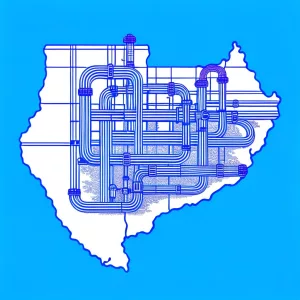
Cape Town keeps its water flowing by carefully taking care of hidden pipes and valves beneath the city. The city’s teams work ahead of problems, fixing leaks, managing water pressure, and upgrading pipes, while families help by storing water during short outages. This teamwork, combined with smart technology and good communication, helps everyone get clean water every day. Though the pipes are unseen, the city’s commitment keeps life moving smoothly and water ready for all neighborhoods.
South Africa’s defence procurement faces big problems like tight budgets, confusing rules, and long delays that hurt the military’s ability to stay ready. A key parliamentary meeting aimed to fix these issues but was disrupted when an important defence office didn’t show up, sparking frustration and calls for more accountability. The story shows how strong oversight and clear planning are vital to keep the armed forces supplied and prepared. Without tackling these challenges, the military risks falling behind, but with better teamwork and transparency, South Africa can build a stronger defence future.
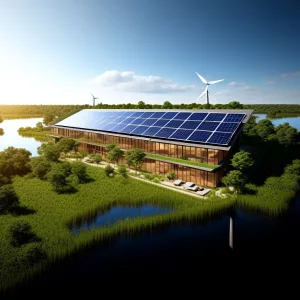
Hotel Verde Cape Town Airport is Africa’s first carbonneutral hotel, offering a fresh and green stay just minutes from the airport. Surrounded by wetlands and powered by wind turbines and solar panels, it feels like a peaceful nature retreat designed to care for the planet. Guests enjoy ecofriendly features like energygenerating gym equipment, native gardens, and delicious local food, all while learning about sustainability through fun tours and interactive tech. Winning top awards for green hospitality, Hotel Verde proves that luxury and caring for the Earth can go hand in hand. It’s a bright example of how hotels can protect nature while making visitors feel truly welcome.
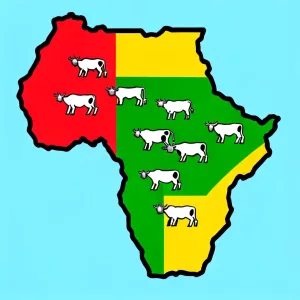
South Africa is fighting FootandMouth Disease (FMD) by creating special diseasefree zones, improving vaccine supplies, and building better rural infrastructure like abattoirs. Leaders recently met to face tough challenges caused by slow government response and broken systems that hurt farmers and trade. By learning from other countries and working together with scientists, the government, and the private sector, South Africa hopes to protect its livestock, restore markets, and build a stronger, smarter defense against future outbreaks. This new teamwork aims to keep animals healthy and secure jobs for many people who depend on farming.
South Africa’s Parliament plays a key role in building peace and justice by carefully watching over how laws and institutions work. Through committees, it pushes for fair police conduct, better courts, and kinder treatment in prisons, making sure government acts openly and listens to the people. In 2025, a special media event in Cape Town showed how these efforts come alive, as leaders shared real steps toward safety, fairness, and healing. This ongoing oversight is like a steady heartbeat, keeping the country moving toward a safer, more just future for all.
South Africa’s Parliament is a busy, lively place where leaders meet each week to discuss and decide on important national issues. From setting agendas and debating budgets to deep committee work, lawmakers work hard to improve justice, security, and everyday life for citizens. Their debates highlight key challenges like land reform, education, and energy, while committees dig into details and hold the government accountable. Throughout the week, Parliament stays open to the public, showing how democracy is alive and growing in South Africa. It’s a place full of action, ideas, and hope for a fairer future.
The National Water Resources Infrastructure Agency (NWRIA) is a new South African government agency created to bring order and strength to the country’s water management. By combining many separate bodies into one, it aims to protect water supplies, fix broken systems, and help communities grow. The agency will focus on smart planning, risk control, and teamwork with private partners to build a better water future. With skilled people and strong laws behind it, the NWRIA hopes to secure clean water for all and boost the nation’s economy for years to come.
Parliament’s budget vote in South Africa is more than just money talk—it’s the heartbeat of the nation’s democracy. This vote decides how funds support lawmaking, oversight, and public involvement, showing the country’s promise to fairness and open government. Each year, Parliament uses the budget to strengthen committees, encourage citizens’ voices, and keep democracy alive. It’s a powerful moment where history, hope, and responsibility come together to shape South Africa’s future.