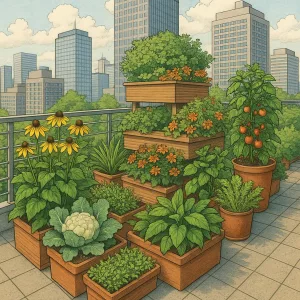
Hotel Verde in Cape Town is a shining example of luxury that cares deeply for the planet. Using solar power, water recycling, and zerowaste practices, the hotel blends comfort with strong ecofriendly values. Guests get to join in, turning workouts into energy and helping with recycling efforts, making sustainability fun and easy. Winning Africa’s first LEED Platinum and Net Zero Waste certifications, Hotel Verde inspires both visitors and the whole city to dream big about a greener future. It’s not just a hotel it’s a bright beacon showing how luxury and nature can live happily together.
The Blomvlei Canal in Cape Town is a quiet hero that keeps neighborhoods safe from flooding by carrying away stormwater. When heavy rains broke part of the canal, the city rushed to repair it with new technology that helps handle future storms better. This R2.7 million project not only fixes the damage but also brings communities closer, showing how important teamwork and care for city lifelines really are. The canal’s renewal is a hopeful step toward a safer, stronger Cape Town for everyone.
The city is on a mission to fix its underground water pipes and the messy trenches they leave behind, setting aside R55 million for repairs in 2024/25. With help from contractors, they plan to work efficiently and keep everyone informed with monthly updates. This project aims to restore roads and sidewalks while also replacing old pipes to prevent future disruptions. Using strong materials and smart technology, the city hopes to create a smoother, safer environment for all its residents, showing a true commitment to a better urban life.
The MyCiTi bus service is getting a big upgrade in Claremont, Cape Town! Starting in March 2025 and finishing by December 2027, this 2.7kilometer extension will make traveling easier and help reduce traffic jams. The project aims to bring the community together, encouraging residents to share their thoughts and ideas on the changes. With better buses, cleaner air, and more connections, Claremont is set to become a vibrant hub, blending its rich history with a bright, sustainable future.
Cape Town’s bubble tea scene is a colorful mix of Taiwanese tradition and local creativity, offering exciting flavors like cheese tea and Uji matcha. Shops like Susu, Royal Tea, and Booba Beautea serve not just tasty drinks but vibrant, fun spaces where people gather and smile. From student favorites to stylish spots, every cup tells a story of culture, joy, and community. With every sip, Cape Town’s bubble tea captures the city’s lively spirit and love for new experiences.
The Case for a Special Licence for Supercars: A Tale of Power, Responsibility, and Safety in Cape Town
In Cape Town, there’s a growing call for supercar drivers to have a special licence to ensure safety on the roads. Recent accidents, including a highspeed crash involving a flashy McLaren, have sparked serious concerns about drivers’ skills and responsibility when handling such powerful machines. A special licence would require advanced driving skills and could lower accidents, making the roads safer for everyone. By learning from places like Australia and the UAE, Cape Town can create rules that protect both supercar owners and the community, turning the thrill of speed into a safe and responsible experience.
The Doll House, which opened in 1938, was Cape Town’s first drivein restaurant, mixing American fast food with local flair. It became a beloved hangout spot, serving sizzling burgers and toasted sandwiches to families and friends until it closed in 1983. With its bright neon lights and carhop service, it wasn’t just about food; it was a place where the community came together, creating cherished memories. Though the building is gone, the spirit of The Doll House lives on in the hearts of those who enjoyed its delicious meals and vibrant atmosphere, making it a lasting part of Cape Town’s culinary history.
Cape Town’s marine outfalls are special pipes that safely release treated wastewater into the ocean at Camps Bay, Green Point, and Hout Bay. The city carefully monitors and upgrades these systems to protect both people and marine life. In August 2025, experts and officials met by the Atlantic shore to discuss new challenges, like invisible chemical pollutants that are hard to remove. Cape Town is planning smart improvements to keep the ocean clean and support its growing city. This teamwork and innovation show how the city balances nature and progress for a healthy coastal future.
Cape Town International Airport has transformed the arrival experience by adding more immigration staff and using smart biometric technology, making entry faster and safer. Friendly new officers greet travelers warmly, helping them feel welcome right from the start. This teamwork between different government groups shows how smart planning can boost tourism and local jobs. Now, visitors enjoy a smoother, more inviting arrival that matches Cape Town’s spirit of hospitality and innovation.
Tensions and Symbolism in the Oval Office: Trump, Ramaphosa, and the Struggle for South Africa’s Narrative
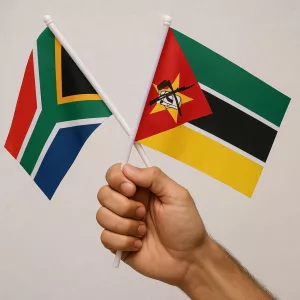
The meeting between Trump and Ramaphosa in the Oval Office was tense and full of meaning. Trump raised alarms about “white genocide” and land seizures in South Africa, while Ramaphosa pushed back, explaining that the country’s land reforms aim to heal past injustices, not punish anyone. Their clash showed deep differences in how each leader saw crime, property, and justice. Surrounded by powerful voices like Elon Musk and sports stars, the meeting became a dramatic moment reflecting global misunderstandings and the ongoing struggle for South Africa’s future.
Shaping Tomorrow Together: Unpacking the Masiphumelele Local Spatial Development Framework
The Masiphumelele Local Spatial Development Framework (LSDF) is a plan to help this growing community become safer, greener, and better connected. It aims to improve homes, protect wetlands, and build roads and services that make life easier for the 38,000 residents. By listening to the people who live there, the city hopes to create spaces where families can live, work, and play while respecting nature and history. This plan is a hopeful step toward turning challenges into opportunities for everyone in Masiphumelele.
The Camps Bay Scouts, a group with over a century of history, faced a heartbreaking fire in 2025 that destroyed their beloved halls full of memories and treasures. Despite this loss, the community quickly came together, offering support and helping the Scouts keep their spirit alive by moving activities to new places and creating digital archives. Their story shows how even after great sadness, hope, friendship, and courage can shine brightly, turning ashes into a fresh start. The Scouts’ unbreakable spirit reminds everyone that true strength comes from sticking together and never giving up.
Cape Town’s migrant shelters at Wingfield and Paint City began as quick help during Covid19 but turned into longlasting homes for many migrants and refugees. The city tries to balance kindness, the law, and pressure from local communities while offering some people help to restart their lives elsewhere. Inside the camps, life is full of both hope and struggle, with art, small businesses, and friendships shining through tough conditions. But tensions rise as overcrowding and conflicts grow, and the city now faces hard choices about eviction and rights. This situation shows how Cape Town wrestles with its history and its future as a home to many who seek safety and belonging.
Tshidi Madia was a powerful and honest voice in South African journalism. She started from humble beginnings, working behind the scenes before becoming a sharp political reporter who never shied away from tough questions. Tshidi’s work helped hold leaders accountable and inspired many young journalists, especially women, to speak up. Even after her passing, her spirit lives on as a beacon of truth and integrity in the country’s fight for a stronger democracy.
South Africa is changing how it pays social grants, moving from the Post Office (SAPO) to Postbank starting September 2025. New applicants will use biometric checks like fingerprints to get their grants, which aims to stop fraud and speed up payments. But many rural communities worry because local pay points are closing, meaning people might have to travel far just to collect money. This big shift mixes new technology with the challenge of keeping trust and support alive in towns and villages. The country hopes this change will protect everyone’s dignity while making the system fairer and safer.
The Castle of Good Hope in Cape Town is South Africa’s oldest fortress, built over 350 years ago by the Dutch. It has seen many roles from a military fort to a prison and holds stories of struggle, hope, and change. Now carefully restored, the Castle welcomes visitors to explore its old walls and learn about the many people and histories it holds. This living monument stands as a powerful reminder of the past while shining light on a shared, hopeful future.