South Africa’s Department of Home Affairs is fighting hard to stop corruption and bring back trust. Led by Minister Leon Schreiber, they have fired 38 workers involved in fraud and harassment, showing they won’t tolerate bad behavior. The department is speeding up investigations and working with the courts to punish wrongdoers. People are watching closely, hopeful that these bold moves will turn Home Affairs into a fair and honest place again. This is just the start of a long journey toward a cleaner government.

Acting Deputy Chief Justice Mbuyiseli Madlanga is a powerful voice for justice in South Africa. Growing up during apartheid, he turned painful experiences into a deep commitment to fairness and human rights. On the Constitutional Court, he made decisions that connected laws to real people’s lives, always pushing for democracy and social justice. Known for his hard work and humility, Madlanga’s legacy inspires a new generation to see the law as a tool to build a fairer society.
Charting a New Path: Minister Thembi Simelane Injects Vision and Leadership into South Africa’s Human Settlements
Minister Thembi Simelane brings fresh energy and clear vision to South Africa’s Human Settlements, focusing on honest leadership, strong teamwork, and smart innovation. She aims to build fair, safe, and lasting communities that help fight poverty and inequality. By cutting costs, embracing new technology, and pushing for real change in who benefits from housing opportunities, Simelane wants to transform the housing sector into one that works well for everyone. Her leadership shines with hope and determination to turn the dream of decent homes into reality for many South Africans.
Cape Town is a treasure trove of tasty and affordable food adventures. You can sip on unique craft gins at Pienaar & Son, enjoy colorful sushi with a local twist at Kiwondo Sushi, feast on hearty Sunday lunches at Oude Wellington estate, or crunch into spicy Koreanstyle fried chicken at Plucky’s in Sea Point. Each bite tells a story of the city’s rich culture and flavors, all without emptying your wallet. It’s a delicious way to explore Cape Town’s vibrant spirit and welcoming vibe.
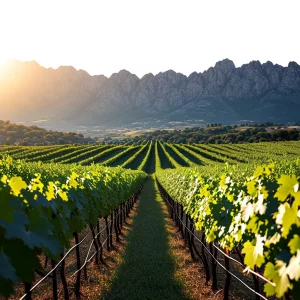
South Africa’s wine tourism is a lively and welcoming adventure, where visitors explore beautiful vineyards framed by ancient mountains and vibrant local culture. With over 500 cellar doors across many routes, it offers affordable, friendly experiences filled with stories, great food, and rich history. The region blends old traditions with modern touches, including blackowned wineries and smart digital tools, creating unforgettable moments beyond just tasting wine. This growing industry supports thousands of jobs and invites everyone to enjoy the unique flavors and warm hospitality of the Cape.
Reimagining Local Government: Minister Velenkosini Hlabisa’s White Paper Consultative Odyssey
Minister Velenkosini Hlabisa’s White Paper review aims to reshape local government in South Africa by making leadership more skilled and ethical, fixing how municipalities get their money, and boosting local economies. It also focuses on protecting communities from climate risks and giving youth, women, and traditional leaders stronger roles. By talking with many people across the country, the review seeks fresh ideas to help towns and cities better serve their people. This bold plan hopes to build local governments that bring real hope, growth, and fairness to all.
South Africa is changing fast because many white people are leaving the country, while over 900,000 black African migrants are arriving between 2021 and 2026. This movement shifts the nation’s cities, cultures, and age groups, making communities different from before. The white population is getting older, with fewer young people staying, while new arrivals bring energy and new ideas. Cities like Johannesburg and Cape Town are growing and becoming more diverse, creating both challenges and exciting opportunities. Through all this change, South Africa’s story is one of loss, hope, and new beginnings.
In 2025, South Africa’s Parliament passed two important bills: the Appropriation Bill and the Eskom Debt Relief Amendment Bill. The Appropriation Bill decides how government money is spent on things like health, education, and roads to help the country grow fairly. The Eskom bill reshapes the debt of the struggling power company, linking help to good performance to keep the lights on and the economy moving. These laws show how South Africa’s democracy works careful debate, public oversight, and hope for a better future for all.
South Africa stands strong in supporting peace for Palestine, drawing on its own history of fighting apartheid. At a recent global conference, South African Justice Minister Ronald Lamola urged the world to act quickly to stop the violence and recognize Palestinian statehood. He stressed that lasting peace must come through law, dialogue, and respect for human rights not through war or force. South Africa’s message is clear: justice and hope can overcome even the deepest conflicts when nations work together with courage and fairness.
The Journey of South Africa’s National Budget: Ritual, Debate, and Democracy in Action
Every year in South Africa, the national budget is presented with great ceremony, marking the start of lively debates about how the country’s money should be spent. This process has three main steps: setting economic goals, dividing funds between national and local governments, and deciding exactly how each department will use its share. Lawmakers from all over the country weigh in, making sure the money is shared fairly and wisely. Finally, the President signs the budget into law, turning plans into action that affect everyday lives. This yearly ritual shows democracy in motion, where people’s voices help shape the nation’s future.
The International Court of Justice (ICJ) has made a powerful statement that countries must legally cut greenhouse gas emissions and protect the environment. This decision, sparked by island nations facing rising seas, turns climate goals like those in the Paris Agreement into binding duties. The ICJ stresses that countries must work together, seeing environmental care as part of protecting human rights. While the ruling isn’t legally binding, it strengthens global pressure on governments to act fast and fairly to save our planet.
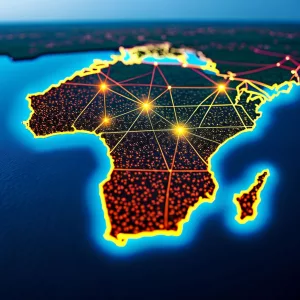
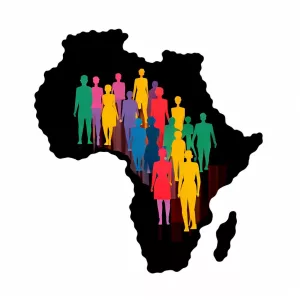
South Africa is changing fast, with its population growing to over 63 million by 2025. More people are moving to cities like Gauteng and KwaZuluNatal, making these places busy and full of life. The white population is shrinking because more are leaving the country and the community is aging. Meanwhile, black African and Indian/Asian communities are growing, bringing new cultures and energy. This mix of change shows a country both saying goodbye to some old chapters and welcoming fresh beginnings.
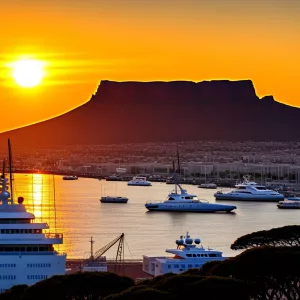
South Africa’s waterfronts are a vibrant mix of lively cities, peaceful lagoons, and charming canals, each with its own special story. Unlike crowded Venice, these watersides feel real and welcoming, where nature, culture, and community flow together. From Cape Town’s bustling V&A Waterfront under the shadow of Table Mountain to the quiet beauty of Knysna’s lagoon and the friendly spirit of Richards Bay’s working harbor, each place invites you to enjoy life by the water in fresh, unforgettable ways. Whether you seek energy, calm, or cozy canal living, South Africa’s waterfronts offer a warm and lively escape beyond Europe’s famous ports.
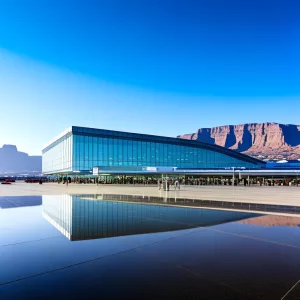
Cape Town International Airport is a bright, welcoming gateway to one of the world’s most beautiful cities. With modern design filled with sunlight and local art, it offers smooth travel and friendly service connecting South Africa to six continents. This airport has grown from humble beginnings to an awardwinning hub, buzzing with energy and rich culture. Every traveler who arrives steps into a space full of stories, warmth, and endless possibilities.
The NCACC plays a key role in watching over South Africa’s arms industry, making sure everything is done fairly and openly while protecting the country’s security. Its work balances tough rules with transparency, helping grow the arms sector responsibly and supporting the country’s democratic values. Recent reports show the industry is growing fast, with more companies joining and bigger deals happening, all under careful scrutiny. The Committee also faces the challenge of keeping secrets safe while being honest with the public, reflecting South Africa’s journey from a hidden past to a hopeful, open future. Through its efforts, the NCACC helps build a safer, fairer nation committed to peace and justice.
President Ramaphosa’s mission for the Northern Cape is about bringing all levels of government together to work as one. He wants to boost clean energy like solar power, build better roads and ports, and fix social problems like poverty and youth unemployment. The Northern Cape, once known mainly for mining, is now becoming a leader in green energy and new industries. Ramaphosa calls for teamwork, honesty, and fresh ideas to help communities grow and share the benefits of progress. This is a big step toward a brighter future for the province and all of South Africa.