In 2025, South African Airways faced a sudden cyber attack that targeted its website, app, and vital systems, threatening to disrupt its flights and services. Thanks to strong leadership and wellprepared plans, the airline quickly kept essential operations running and launched a full investigation. Their open communication with authorities and the public showed a new level of transparency and trust. This event highlights how important it is for big companies to be ready for digital threats and work together to stay safe in a connected world.
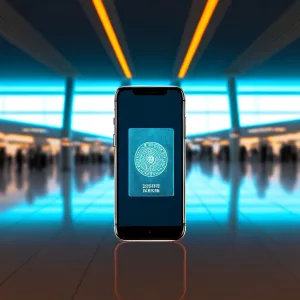
South African airports are stepping into the future with digital travel credentials and biometric technology that make travel faster, easier, and more secure. Instead of juggling paper documents, passengers will soon use a single, safe digital ID to breeze through checkins and security. This change promises shorter lines, less stress, and smoother journeys. While some worry about privacy, the new system aims to protect everyone’s information carefully. South Africa is leading the way in making air travel simple, smart, and ready for tomorrow.
The NSRI’s Beach Safety Camera Network is making South Africa’s beaches safer by watching six risky spots with live video and trained watchers. These cameras spot trouble fast, helping rescuers jump into action before things get worse. The system respects people’s privacy and brings communities together to protect beachgoers. Thanks to this smart mix of technology and teamwork, more lives are being saved along the beautiful but sometimes dangerous coast.
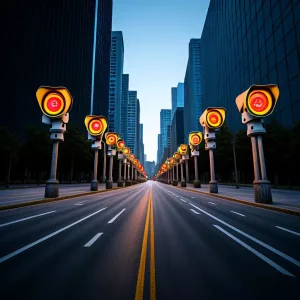
Cape Town uses special cameras to catch drivers and passengers not wearing seatbelts, aiming to make roads safer by giving fines automatically. But sometimes, people get fined without clear proof, making them feel the system isn’t fair or open. This has caused worry about trust and fairness, since drivers want to see real evidence and have a chance to explain themselves. To keep people safe and happy, the city needs to be clearer and let people check and challenge fines easily. This way, technology helps protect lives while respecting everyone’s rights.
The LunaRecycle Challenge is an exciting NASA competition that aims to turn waste from past Moon missions into useful resources like water and energy. With a big prize of $3 million, it invites creative thinkers from around the world to design ways to recycle human waste left by astronauts. This effort is part of NASA’s Artemis program, which plans to establish a lasting human presence on the Moon. Participants can work on building reallife recycling systems or create virtual models to test their ideas. The challenge highlights the importance of being responsible and sustainable, not just on Earth, but also in space!
The Cell C data breach is a big wakeup call about how important cybersecurity is in our digital lives. It shows that companies need to teach their users how to protect their personal information and be clear about what’s happening when things go wrong. After the breach, Cell C stepped up by creating an Information Hub to help users understand cyber threats and encouraging them to sign up for Protective Registration to guard against fraud. This situation reminds us that staying safe online is not just about technology; it’s also about being smart and aware.
Cape Town is making exciting changes with its Smart Meter Initiative, set to start in April 2025. Old electricity meters in neighborhoods like Woodstock and Salt River will be replaced with new smart prepaid meters. These advanced meters promise to give accurate readings, reduce billing problems, and help residents manage their energy use better. The city also ensures safety during installations and offers support to lowincome households, making electricity more accessible for everyone. This project not only modernizes how energy is managed but also strengthens the bond between the city and its people.

The entry of Starlink, Elon Musk’s satellite internet service, into South Africa is facing tough challenges due to local laws that require foreign companies to partner with local investors. Critics argue that these rules slow down internet access, especially in rural areas. Supporters, like former politician Tony Leon, believe that easing these regulations could boost technology and improve relations with the U.S. However, Starlink recently withdrew its application to operate in the country, raising concerns about how South Africa can attract foreign investment while addressing historical inequalities. This debate highlights the struggle between supporting local interests and embracing new technology for a better future.
Emirates is bringing a fantastic upgrade to South African travelers with its newly retrofitted Boeing 777s. Passengers can now enjoy a luxurious Business Class with private seating, a comfy Premium Economy with better seats and entertainment, and beautiful interiors inspired by nature. These upgrades promise a flying experience that’s not just about getting to your destination, but about enjoying every moment in style and comfort. With these changes, Emirates is setting a high standard for air travel in Africa!
South Africa is stepping into a bright new world with its digital identity system, making life easier and safer for everyone. This system promises faster ID checks, better access to services like healthcare and banking, and stronger protection of personal information. The upgrade will cut down mistakes in identity verification from 50% to just 1%, helping both government and businesses work faster. By 2025, South Africa aims to replace old ID books with smart IDs for all, paving the way for a techdriven future that connects people and services seamlessly. It’s an exciting time for the country as it embraces technology to boost everyday life!

In Cape Town, traffic jams are a big problem, especially during busy hours. With the help of artificial intelligence (AI), the city could make traffic flow smoother and reduce waiting times at red lights. AI has already worked wonders in other cities, cutting travel times and pollution. Although Cape Town is careful about which technology to choose, embracing AI could lead to a cleaner, smarter city where getting around is easier and better for the environment.
In a groundbreaking partnership, South Africa and China have created the world’s longest ultrasecure quantum satellite link! This amazing achievement allows for super safe data transmission that can’t be broken into. Using a special technology called Quantum Key Distribution (QKD), scientists can send secret messages between the two countries with incredible security. With perfect weather conditions in Stellenbosch, they generated over a million secure bits in just one satellite pass! This collaboration shows how teamwork can open doors to a new world of communication and safety, reminding us that great things happen when nations unite.
NASA’s SpaceX Crew9 mission was an exciting adventure in space! The crew spent months conducting over 150 experiments, including groundbreaking research on plant growth and stem cells. Suni Williams made history with her recordsetting 62 hours of spacewalking, showcasing the amazing teamwork of astronauts from different countries. Their successful return to Earth in the Dragon spacecraft marked a big step in exploring the wonders of space and working together for a brighter future.
Cape Town is embarking on an exciting journey with its new fleet of 120 electric buses. Led by Golden Arrow, this initiative aims to cut down pollution and create cleaner air for everyone in the city. The project not only focuses on the buses but also includes building a big charging station, showing a strong commitment to sustainable transport. This move is not just good for the environment; it’s also expected to create jobs and boost the local economy. With community support and smart planning, Cape Town is setting an example for other cities in Africa to follow toward a greener future.
South Africa’s Social Relief of Distress (SRD) grant system is crucial for helping those in need, but it has serious security problems. Investigators found weak protections that leave sensitive personal information vulnerable to cybercriminals. Issues like poor authentication and unsafe backup files could lead to identity theft and fraud. The government acknowledges these flaws and vows to take action, highlighting the urgent need for better security to protect citizens and restore trust in this important aid program.
MSI has just launched its exciting RTX 50 Series laptops, perfect for gamers, creators, and busy professionals! With powerful NVIDIA® GeForce RTX™ 50 graphics and speedy Intel® Core Ultra 200HX processors, these laptops promise amazing performance and stunning visuals. The Titan Series stands out with its beautiful dragon design and topnotch cooling system, while the Raider Series is all about delivering thrilling gaming experiences. For those on the go, the sleek Stealth Series combines style with strength, making it easy to work and play anywhere. With these new laptops, MSI is truly leading the way in technology and innovation!