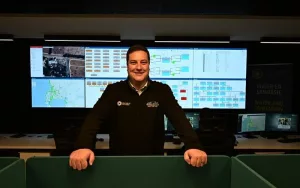
Minister Leon Schreiber has called for a digital transformation of the Department of Home Affairs in South Africa, citing the importance of national security against identity theft, visa fraud, and corruption. He highlighted the systemic crisis and outdated, paperdriven, manual systems that are vulnerable to manipulation and urged for a stateoftheart digital system to streamline operations and eradicate vulnerabilities. Schreiber proposed a digital platform for instantaneous auditing of the population register, streamlining visa approval, and eliminating queues and system downtime, which could invigorate tourism, draw skilled professionals, stimulate investment, and make Home Affairs more efficient.
Embracing Technological Innovation: Cape Town’s Water and Sanitation Directorate’s Fleet Revamp
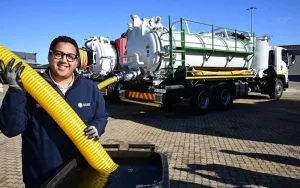
Cape Town’s Water and Sanitation Directorate has invested over R105 million in a fleet of advanced vehicles and equipment to improve the city’s water and sanitation systems, including unclogging sewer blockages and ensuring water supply during disruptions. The new fleet includes advanced jetmachine trucks, combinationunit trucks, and supersucker trucks, as well as a mobile laboratory for offsite water testing. The investment emphasizes the importance of technology in improving essential services while emphasizing the mindful behavior of residents in preserving the city’s systems.
Delta Air Lines is set to offer complimentary WiFi on its longhaul flights, a significant shift from the high costs that have hindered its usage in the past. This move highlights the aviation industry’s understanding of changing customer expectations and a readiness to adjust accordingly. Turkish Airlines has also stated its plan to offer unrestricted free WiFi on all its flights by the end of 2025, pointing to an emerging trend in the airline sector towards offering valueadded services to passengers.
The Western Cape Government has won the Public Service Innovation Award at the United Nations Public Service Forum for its CitizenCentric Digital Transformation project. The project aims to improve the living standards of citizens through the use of digital technology and has been successful in creating a citizenfocused digital infrastructure and eliminating the digital divide. The WCG plans to continue to build on its digital infrastructure to further improve public services.
Two teams from Elsies River library have secured their place among the top three winners of the Mandela Day coding tournament, and are now preparing to compete in the national and world tournaments in October and December. The libraries in Cape Town have embraced coding as a step towards digital transformation, sparking a digital revolution that could redefine the role of libraries in the city and beyond. The coding contest has opened a new chapter in the evolution of libraries, making them centres of innovation and digital interaction.
South Africa’s banking sector is moving towards smart ID cards with fingerprint scans that link to biometric databases to streamline and digitize identity verification. The Department of Home Affairs encourages citizens to switch from green ID books, which will be phased out, to make verification more efficient, quick, and secure. This transition underscores South Africa’s commitment to leveraging technology for a more inclusive, equitable, and digitallyempowered future.
MTN has been named South Africa’s topquality mobile network, according to a report by MyBroadband Insights. The study analyzed 288,210 speed tests conducted by 7,092 mobile data users between April and June. MTN achieved the highest average download speed of 83.08 Mbps, followed by Vodacom at 79.70 Mbps and Cell C at 54.50 Mbps. Overall, South Africa’s average mobile download speed increased to 70.41 Mbps from last year’s 62.27 Mbps.
The University of South Africa (Unisa) is facing controversy over the alleged misuse of AI during exams. Despite the ban on the use of ChatGPT, an AI tool, during assessments, it was allegedly used in exam papers, leading to an academic uproar. Meanwhile, other institutions like CPUT, UWC, SU, and UCT are exploring ethical AI applications in education, establishing guidelines and training programs to advance teaching, learning, and research methods. While the controversy highlights the need for careful steering through the ethics of AI in education, institutions are working to establish standards for others to emulate.
“The Annual Coding Competition: Nurturing Technological Literacy with Festive Spirit in the Libraries of Cape Town”
The Annual Coding Competition in Cape Town is a yearly event held in libraries to promote technological literacy in the city. Over 30 teams are expected to participate this year, and highperforming teams will progress to the national and global stages, gaining international recognition. The coding initiative is a collaborative project that aims to democratize technology and cultivate social interaction and recreational engagement amongst participants, fostering a culture of curiosity, expansion, and innovation.
Cape Town libraries are hosting a coding initiative that aims to make coding accessible to all, including those without access to costly resources. The initiative is a competitive contest for young coders, with participants competing for a chance to advance to the nationwide and World Tournament competitions. The libraries are evolving into dynamic hubs where coding proficiency is highly esteemed, and the initiative has garnered global recognition.
The City of [city name] is on the verge of completing a nationwide software upgrade programme for prepaid electricity meters, with almost 99% of the estimated 604,500 meters successfully upgraded. The upgrade process is designed to be customerfriendly, with support available for those who need it. Failure to upgrade meters by December 2024 may cause power supply issues, emphasizing the importance of timely action. The City’s forwardthinking approach sets it apart from other primary utilities, and its extensive support system ensures a smooth transition for residents.
Cape Town is taking impressive steps towards embracing green transportation, with a focus on the MyCiTi programme and incorporating 30 electric buses in Phase 2A. The city has allocated R668 million to MyCiTi buses in the next three years and plans to electrify its entire vehicle fleet, including waste collection trucks, light delivery vehicles, sedans, and hatchbacks. This approach is part of a broader goal to convert the entire vehicle fleet to electric power and achieve carbon neutrality by 2050. The city’s initial step towards electrification was a successful pilot project involving five fully electric BMW i3s for the Traffic Services Department.
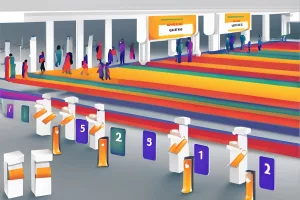
Airports Company South Africa (Acsa) is revolutionizing the country’s aviation industry with its cuttingedge biometric and digital identity technology. The incorporation of facial recognition technology and OneID will lead to faster immigration processing times and a hasslefree experience for passengers. Acsa plans to implement robotics and AI to augment selfservice functions and cater to food and beverage services and retail. With their groundbreaking projects and collaborations, Acsa is set to establish a standard for airports worldwide, promising a more advanced and efficient airport experience for South Africans.
Cape Town’s Brackenfell Revenue Department will temporarily shut down on June 8th, 2024, as part of the city’s commitment to digital transformation. During this time, residents can use Cape Town’s online payment alternatives, and other offices will provide services. The city’s shift towards digital services enhances accessibility, convenience, and efficiency, marking a remarkable stride towards the future. The city has formed alliances with a vast network of retailers, including Shoprite/Checkers, Pick n Pay, PEP, Woolworths, and USave, where residents can pay their bills, and technology has further streamlined these transactions.
South Africa’s municipal offices are temporarily closing physical operations on election day, encouraging citizens to use the range of online services available. The city’s digital initiative to enhance user experience reflects its commitment to adopting digital technology, including an online booking system for appointments and QR code payments. This move towards digitalization is a testament to the city’s dedication to providing efficient services and building a futuristic city where resident convenience takes center stage.
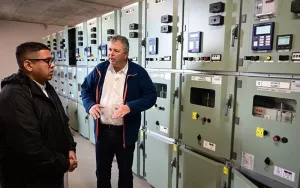
Cape Town’s Water and Sanitation Directorate is investing in advanced mechanical filtration screens to upgrade its sewer pump station infrastructure, with a total investment of R8.1 million. These custommade screens act as a barrier against large objects that should not enter the sewer system and reduce the risk of overflows. The screens are easy to operate and are being installed at various pump stations across the city. This ongoing initiative aims to protect infrastructure and the urban environment, enhancing the quality of life for residents.