Stellenbosch University Botanical Garden (SUBG) in South Africa’s Cape Floristic Region is set to celebrate its centennial anniversary during the SU Toyota Woordfees from October 7 to 15, 2023. The Stellenbosch Flora Festival (SFF) will be held to commemorate this significant event, which will incorporate nature, art, education, and community engagement.
A Hub for Conservation and Education
Established in 1922, SUBG is South Africa’s oldest academic botanical garden, covering 1.7 hectares in the heart of Stellenbosch. The garden is located in the threatened lowland ecosystems of the wine-growing regions, making it a sanctuary for rare plant species and a hub for knowledge dissemination.
SUBG has played a critical role in research, conservation collections, and educational content for a century. Collaborative efforts with Stellenbosch University’s academic experts have enriched the garden’s diverse collections and significantly contributed to research and conservation efforts.
The Stellenbosch Flora Festival
The Stellenbosch Flora Festival aims to celebrate SUBG’s impressive achievements and unveil recent infrastructure upgrades. Visitors will have the opportunity to unwind, create art, learn, explore and enjoy themselves. The festival also aims to generate funds for the newly established SUBG Flora Fund, which will directly support the garden’s crucial conservation work.
Botanical Art Exhibition
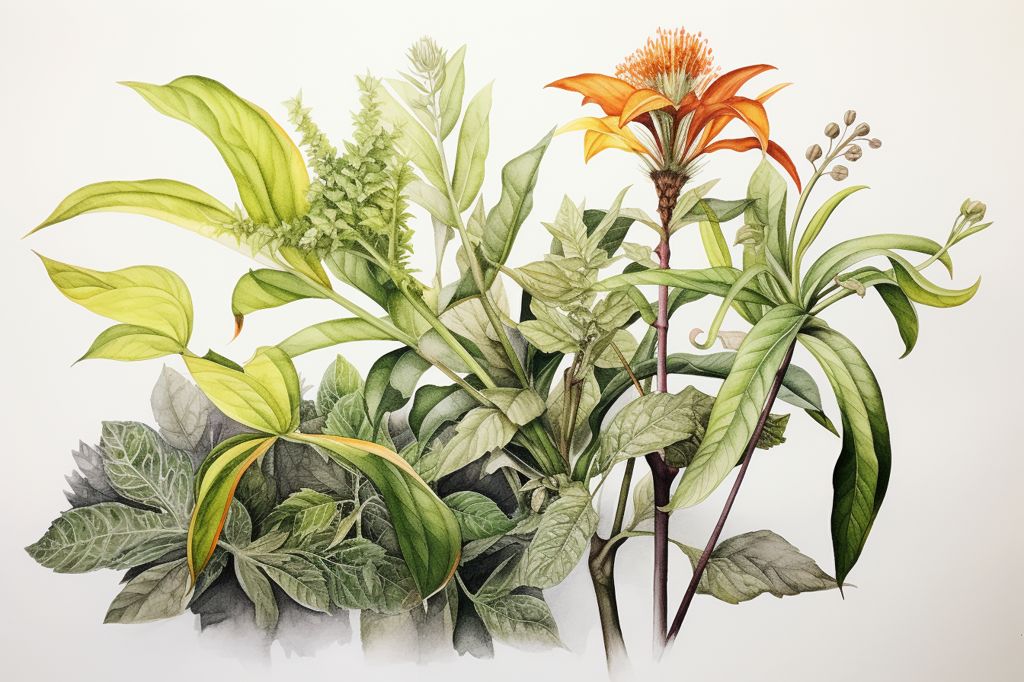
A curated botanical art exhibition featuring original works from top South African botanical illustrators and artists will be on display, with sales and print sales.
Rare Plant Vendors
Rare plant vendors will showcase indigenous and exotic succulents, carnivorous plants, rare aroids, bulbs, and specialty plants, including special releases of SUBG’s rare plants.
Contemporary Art Exhibition
A contemporary art exhibition will feature prominent South African painters, ceramic artists, printmakers, and woodturning artisans. Notably, landscape artist Strijdom van der Merwe will create a live installation celebrating a local threatened plant and SUBG’s mission.
Workshops and Tours
Scheduled events and walkabout tours form an essential part of the festival’s offerings. Daily workshops, including printing with botanicals, cyanotype making, and masterclasses in terraria, propagation, and bonsai, can be pre-booked for an additional fee.
Multisensory Experience
For a multisensory experience, live lunch-hour music will entertain visitors at the Lily Ponds, while wine and gin tastings will showcase local flavors.
Pricing and Access
A day pass for the festival costs R60, granting access to various activities and exhibitions. The garden will remain open daily from 8 am to 5 pm during the festival.
Celebrating Conservation and Education
The Stellenbosch Flora Festival celebrates SUBG’s vital role in plant and habitat conservation and its commitment to preserving South Africa’s botanical heritage. The festival promises a lively celebration of nature, art, education, and community engagement.