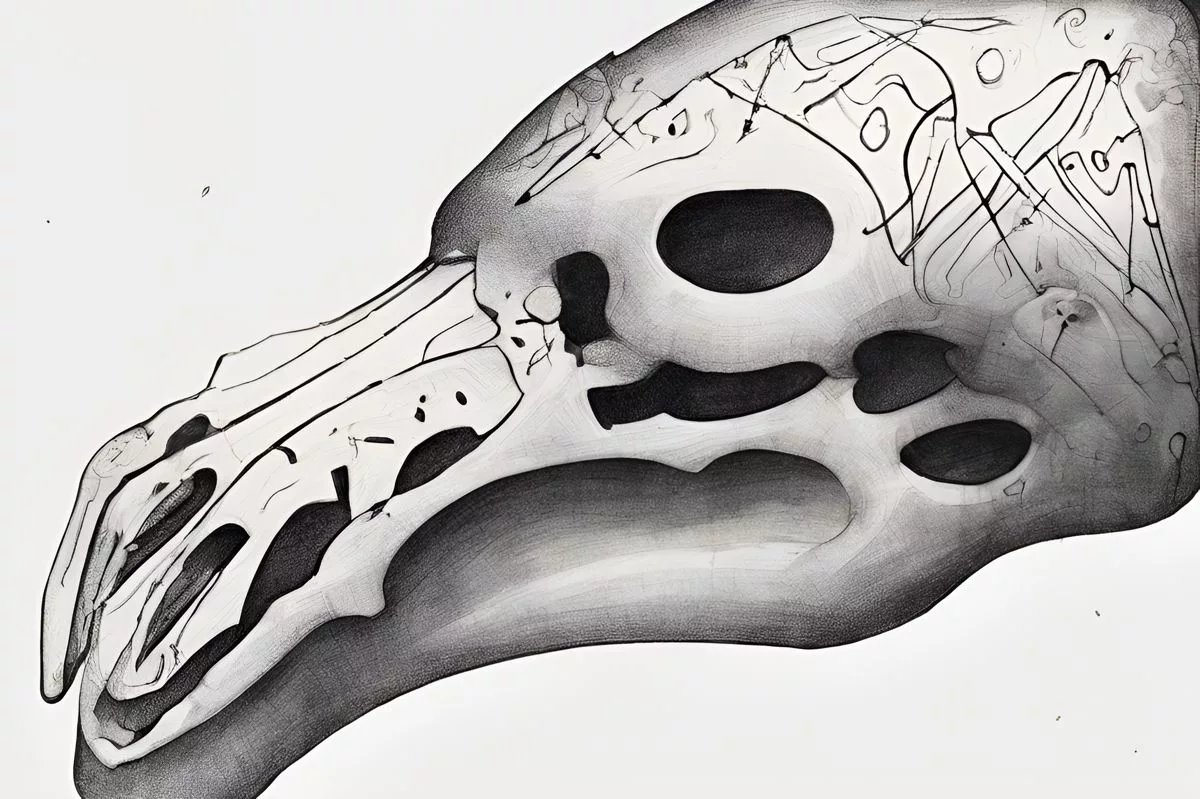
The Oracle Bone Script Art Exhibition at Iziko South African Museum was a unique cultural display honoring Chinese Language Day. Visitors were treated to a collection of over 70 oracle bone characters, offering insight into ancient times. The exhibition also presented insights into the recovery and study of oracle bone inscriptions, and was more than just an exhibition – it was a cultural platform where history intersected with art and cultural barriers faded.
What was the Oracle Bone Script Art Exhibition at Iziko South African Museum?
‘The Spirits on Turtle Shells and Cattle Bones: Oracle Bone Script Art Exhibition’ was a unique cultural display in honor of the United Nations’ Chinese Language Day at Iziko South African Museum in Cape Town. The exhibition showcased artworks created over three years by dedicated scholars of oracle bone inscriptions, typographic designers, and picture book creators. Visitors were treated to a rich collection of more than 70 oracle bone characters, offering a glimpse into the everyday life of ancient times. Admission was free.
A Unique Cultural Showcase: The Oracle Bone Script Art Exhibition
In 2024, the Iziko South African Museum in Cape Town was abuzz with excitement and curiosity. The occasion was a distinctive cultural display in honor of the United Nations’ Chinese Language Day: ‘The Spirits on Turtle Shells and Cattle Bones: Oracle Bone Script Art Exhibition.’
The fascinating event was the final result of careful organization by a plethora of agencies. Key contributors included the Centre for Language Education and Cooperation, ChinesePlus, the Central Academy of Fine Arts (CAFA), and local Chinese language associations. Their collective goal was to bring to life the beauty and historical significance of the oracle bone script, a prime example of ancient Chinese writing.
Prominent Speakers and Cultural Interchange
Farnaaz Johadine, who held the title of acting executive director of core functions at Iziko Museums of South Africa, was a notable speaker at the function. She illuminated the global appeal of archaic art forms carved on natural materials like bones, rocks, and wood. Johadine drew fascinating parallels between the San rock art of South Africa and the oracle bone inscriptions of China, emphasizing the importance of cultural exchange and mutual knowledge transfer between the African and Chinese civilizations.
Adding his perspective to this discourse, Chinese Consul-General You Wenze offered his thoughts on the enduring relationship between China and South Africa. He emphasized the growing interest in the Chinese language and cultural environment among the South African people.
A Deep Dive into the Evolution of Chinese Characters
The exhibition acted as a gathering point for visitors interested in unraveling the evolutionary story of Chinese characters, depicted through artistic interpretations of oracle bone inscriptions. The displays showcased artworks created over three years by dedicated scholars of oracle bone inscriptions, typographic designers, and picture book creators.
Visitors to the exhibition were treated to a rich collection of more than 70 oracle bone characters. Each one of these offered a glimpse into the everyday life of ancient times. The exhibition also presented insights into the recovery and study of oracle bone inscriptions.
Artistic Interpretations and Oracle Bone Scripts
The art exhibition comprised 92 individual pieces or groups of works. These were carefully arranged to explore four themes: the study of oracle bone inscriptions, the aesthetics of Chinese characters, the use of pictographic elements in character organization, and artistic interpretations of oracle bone scripts.
The exhibition was open to the public from 19 April to 5 May at the Learning Center, Groot Constantia, from 10 am to 5 pm. The icing on the cake? Admission was free, making this enlightening cultural experience open to everyone.
A Cultural Platform: More Than Just an Exhibition
To refer to ‘The Spirits on Turtle Shells and Cattle Bones: Oracle Bone Script Art Exhibition’ as merely an exhibition would not do it justice. It was an uncommon opportunity, a cultural stage where history intersected with art, where ancient scripts narrated stories from the past, and where cultural barriers faded, opening up a pathway for a shared admiration of our common human legacy.
- What was the Oracle Bone Script Art Exhibition at Iziko South African Museum?
-
The ‘Spirits on Turtle Shells and Cattle Bones: Oracle Bone Script Art Exhibition’ was a cultural display that showcased over 70 oracle bone characters, offering a glimpse into ancient times.
-
Who organized the Oracle Bone Script Art Exhibition at Iziko South African Museum?
-
The exhibition was organized by a range of agencies, including the Centre for Language Education and Cooperation, ChinesePlus, the Central Academy of Fine Arts (CAFA), and local Chinese language associations.
-
Who were the notable speakers at the Oracle Bone Script Art Exhibition at Iziko South African Museum?
-
Farnaaz Johadine, acting executive director of core functions at Iziko Museums of South Africa, and Chinese Consul-General You Wenze were both notable speakers at the event.
-
What themes were explored in the Oracle Bone Script Art Exhibition at Iziko South African Museum?
-
The exhibition explored four themes: the study of oracle bone inscriptions, the aesthetics of Chinese characters, the use of pictographic elements in character organization, and artistic interpretations of oracle bone scripts.
-
Where and when was the Oracle Bone Script Art Exhibition at Iziko South African Museum held?
-
The exhibition was held at the Learning Center, Groot Constantia, and was open to the public from April 19 to May 5.
-
Was admission to the Oracle Bone Script Art Exhibition at Iziko South African Museum free?
- Yes, admission to the exhibition was free, making it accessible to everyone.