Celebrating South African Sign Language’s Journey to Official Recognition

1 min read
s o

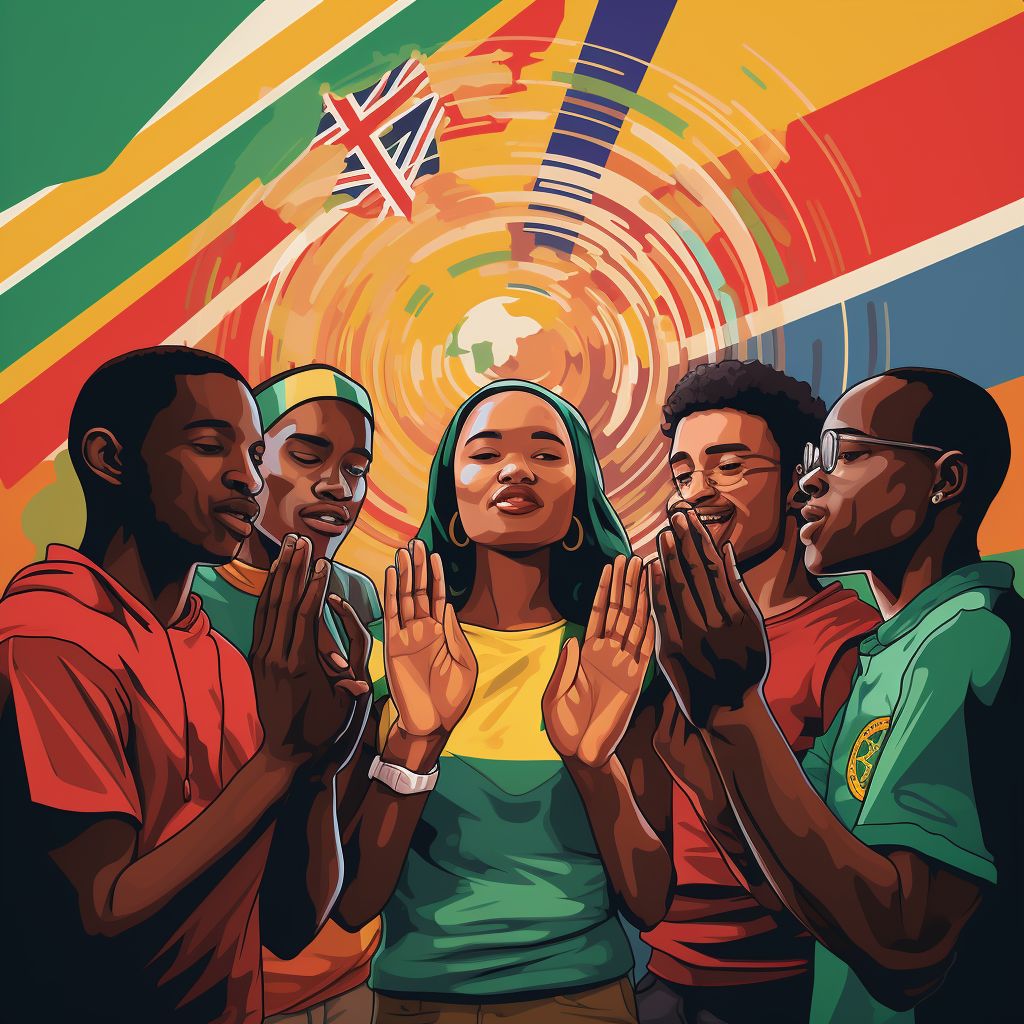
South Africa’s democracy celebrated a momentous occasion when President Cyril Ramaphosa signed the Constitution Eighteenth Amendment Bill into law. The event recognized South African Sign Language as the nation’s 12th official language, marking a significant milestone in the advancement of the rights and social inclusion of the deaf community.

The Journey to Official Recognition

On May 2, 2023, Parliament voted for the bill that amends Section 6 (1) of the Constitution of the Republic of South Africa. This amendment promotes the status and use of indigenous languages, ensuring parity of esteem and equitable treatment for all official languages. Moreover, the Bill of Rights prohibits discrimination on grounds such as disability, culture, race, and gender, reinforcing the significance of this historic decision.

Newsletter

Stay Informed • Cape Town

Get breaking news, events, and local stories delivered to your inbox daily. All the news that matters in under 5 minutes.

Join 10,000+ readers
No spam, unsubscribe anytime

Promoting Equality and Social Inclusion

President Ramaphosa emphasized the affirmation of humanity that comes with empowering people to use their language. South African Sign Language has long served as a vital communication tool for citizens living with disabilities, and its official recognition expands their access to education, economic, and social opportunities. The government aims to advance the deaf community’s rights to substantive equality, dignity, and social inclusion by acknowledging the importance of sign language.

Far-Reaching Implications

The official recognition of South African Sign Language follows an extensive public consultation process, addressing all concerns through numerous submissions. The decision has far-reaching implications, enabling people with hearing impairments to access vital services, public information, and a myriad of other opportunities.

Standardization and Education

Standardization is a critical step towards unifying various geographic dialects into one standard official version, facilitated by the Pan South African Language Board (PanSALB). The first comprehensive electronic sign language dictionary development signals the enthusiasm to promote and develop this language.

Government initiatives to integrate sign language into the education system are underway. The Department of Basic Education provides teaching and learning for deaf learners, ensuring educators in schools undergo sign language training. Specialized schools for the deaf must expand across the country, accompanied by the provision of qualified personnel.

Accessibility to Services

Accessibility to sign language interpreters is critical to ensure that people with hearing impairments can access services at courts, police stations, hospitals, and other service points. The lack of interpreters in the past has compromised access to justice for victims of violence and other crimes.

A Collective Effort

The official recognition of South African Sign Language is a testament to the collective efforts of multiple stakeholders, including DEAFSA, SANDA, government departments, and Parliament Portfolio Committees. This achievement is a significant step towards realizing the Constitutional ideal of multilingualism and echoes Nelson Mandela’s vision of a democratic and free society with equal opportunities for all.

Moving Forward

As South Africa moves forward, the signing of this bill brings the nation closer to the ideal of a society where all persons live together in harmony, empowered by the languages they speak and the culture they share.

A Russian-Spanish journalist and Cape Town native, channels his lifelong passion for South Africa into captivating stories for his local blog. With a diverse background and 50 years of rich experiences, Serjio's unique voice resonates with readers seeking to explore Cape Town's vibrant culture. His love for the city shines through in every piece, making Serjio the go-to source for the latest in South African adventures.

Leave a Reply

Your email address will not be published.

Previous Story

Escalating Public Transport Impounds: A Growing Concern

Next Story

Gauteng Legislature Fights Against Vigilantism

Latest from Blog

Forging a Path to Enhanced Executive Oversight

South Africa is making big changes to keep a close eye on its top leaders! They made a new special committee in their parliament to watch the President. This committee will make sure the President and their office are doing things right and spending money wisely. They looked at how other countries do this to learn the best ways. This means more openness and trust, making sure everyone in power is held accountable to the people.

Cape Town’s Unmissable Weekend of Sporting Action

Cape Town is bursting with sports action from December 5th to 7th, 2025! You can cheer for the Proteas Women’s cricket team at Newlands against Ireland. Then, get ready for super exciting rugby sevens at DHL Stadium with the SVNS Cape Town tournament. And don’t miss Cape Town City FC playing football at Athlone Stadium. It’s a weekend full of thrills and fun for everyone!

South Africa Shines on the Global Cheese Stage

South African cheesemakers dazzled at the 2025 World Cheese Awards in Switzerland! They won many shiny medals, including two top Super Gold awards for Klein River Cheese’s Babylonstoren Parmesan and Dalewood Fromage’s Boland cheese. Nellie Fischer was even named the Best Female Cheesemaker. This big win makes South Africa super proud and shows their amazing cheese is now famous all over the world!

Renewing the Mozambique-South Africa Partnership: Highlights from the 4th Bi-National Commission

Mozambique and South Africa just held their 4th big meeting, the BiNational Commission, in Maputo. Their leaders, Presidents Ramaphosa and Chapo, met to make their countries even closer friends. They talked about important things like making their economies stronger, keeping everyone safe, and helping people thrive. This meeting helps them work together on many projects, from big gas plants to fighting sickness, making life better for everyone in both countries.

Deepening South Africa-Mozambique Ties: Progress and Prospects from the Fourth Bi-National Commission

South Africa and Mozambique are like old friends, working together to make things better. They talk a lot about how to help each other, especially with money, jobs, and safety. They remember their shared past of fighting for freedom, which makes their bond super strong. Now, they’re building roads, sharing power, and helping each other stay healthy and safe. This teamwork helps both countries grow and makes the whole neighborhood stronger.