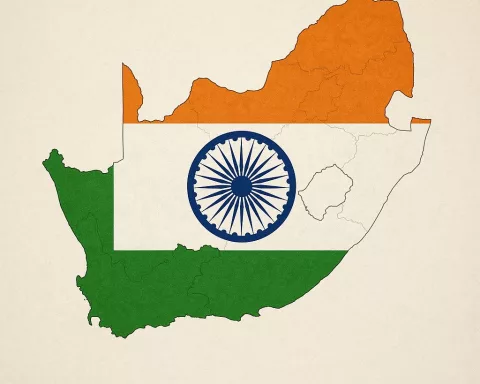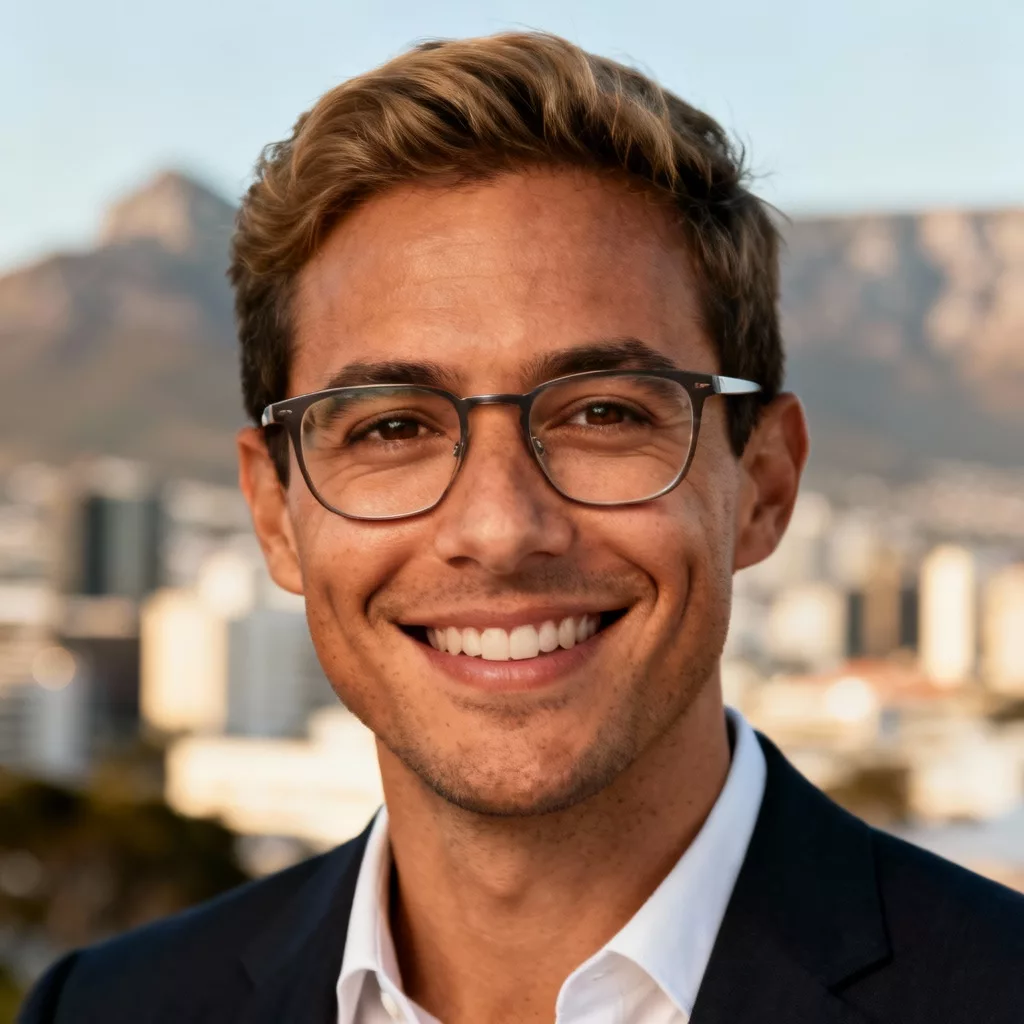
Solly Malatsi, South Africa’s Minister of Communications, is passionately fighting for fairness on TikTok. He wants the platform to expand its Creator Fund to include South African creators, who bring so much creativity and energy to global youth culture but currently miss out on financial rewards. Many talented South African creators, like Lasizwe Dambuza, face barriers that prevent them from earning money like their international peers. Malatsi’s push for change aims to ensure that African creativity is recognized and valued, paving the way for a more inclusive digital world. His efforts highlight the importance of appreciating and rewarding diverse voices that shape our culture.
What is Solly Malatsi advocating for regarding South African content creators on TikTok?
Solly Malatsi advocates for the expansion of TikTok’s Creator Fund to include South African content creators. He emphasizes the need for equitable compensation and recognition, arguing that despite their significant contributions to global youth culture, these creators are currently excluded from financial rewards available to their international counterparts.
The Digital Advocacy of Solly Malatsi
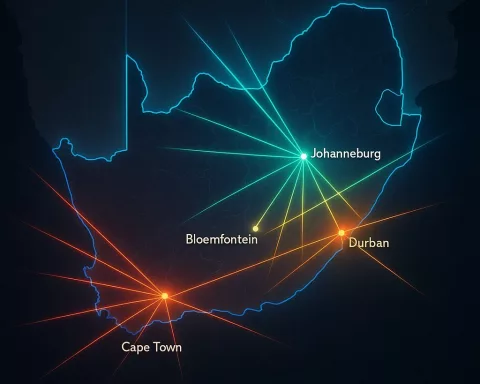
In the dynamic realm of digital innovation, South Africa’s Minister of Communications and Digital Technologies, Solly Malatsi, stands as a prominent advocate for fairness and recognition. At the TikTok Safer Internet Summit in Cape Town, Malatsi delivered a fervent appeal to TikTok, urging the platform to expand its Creator Fund. His passionate address underscored a glaring inequity: South African content creators who significantly shape global youth culture receive minimal financial rewards for their contributions.
Notable South African digital content creators, such as Lasizwe Dambuza and Leagen Wayans, have captivated millions of viewers, generating substantial revenue for TikTok. However, due to geographic restrictions, these creators miss out on financial benefits that their counterparts in the US, Europe, and parts of Asia enjoy. Malatsi emphasized that this lack of compensation not only stifles economic opportunities but also perpetuates a harmful narrative that African creativity, despite its impact, lacks inherent value.
The frustrations among South African creators are palpable. Despite the country’s vibrant TikTok community boasting over 17 million active users, they find themselves excluded from the lucrative Creator Fund model. This fund compensates creators based on views and engagement, yet it excludes South Africa, compelling its creators to seek alternative revenue streams like brand deals and live-streaming gifts. This exclusion starkly contrasts with the platform’s global reach and influence, particularly the significant contributions of South African creators to viral trends and cultural waves.
Malatsi’s Broader Push for Equity
Malatsi’s engagement with TikTok leadership exemplifies a broader push for fair treatment within global digital platforms. He has urged the platform to reconsider its exclusionary practices, acknowledging the technical challenges of adapting payment infrastructure to diverse market dynamics. However, Malatsi argues that these challenges should not impede economic progress for African nations. Discussions around expanding the Creator Fund to South Africa are reportedly ongoing, signaling a potential shift towards more inclusive policies.
This narrative extends beyond mere economic compensation; it touches the very essence of cultural valuation and recognition. Historically, African contributions to global culture have often been marginalized or appropriated without due credit or compensation. This modern digital dynamic echoes historical patterns, where African ingenuity and creativity shape global trends but fail to receive equitable recognition or reward. Malatsi’s advocacy resonates not just as a call for economic justice but as a demand for cultural respect and acknowledgment.
The platform’s acknowledgment of Malatsi’s feedback marks a critical step towards addressing these disparities. Yet, the journey toward fair compensation and recognition for African creators remains complex and multifaceted. It involves not only policy changes within tech giants like TikTok but also a broader societal shift towards valuing and rewarding African contributions to global culture.
Historical Parallels and Local Advocacy
Reflecting on the broader implications, one cannot ignore historical and artistic movements that parallel this digital struggle. The Harlem Renaissance, for instance, saw African American artists and thinkers reshape American culture while grappling with systemic inequities. Similarly, South African creators today are reshaping digital landscapes, yet they face structural barriers that inhibit their full economic participation.
Furthermore, the issue underscores the importance of local advocacy and leadership in driving change within global frameworks. Malatsi’s role exemplifies how local leaders can leverage their platforms to advocate for their communities within global systems. His efforts highlight the need for a more inclusive digital economy, one that recognizes and rewards contributions equitably, irrespective of geographic boundaries.
In addition to Malatsi’s advocacy, the voices of creators themselves form a crucial part of this narrative. Content creators like Dambuza and Wayans articulate their frustrations and aspirations, providing personal insights into the broader systemic issues at play. Their experiences underscore the need for platforms to not only recognize but also economically empower creators from diverse regions.
Moving Toward Inclusive Digital Practices
As the digital world continues to evolve, the call for more inclusive and equitable practices grows louder. The dynamics within platforms like TikTok reflect broader societal trends, where globalization and digitalization intersect with issues of equity and justice. The push for a more inclusive Creator Fund is not merely about financial remuneration; it is about recognizing and valuing the diverse voices that shape global culture.
In conclusion, Solly Malatsi’s advocacy at the TikTok Safer Internet Summit illuminates a critical issue within the digital content landscape. His call for expanding the Creator Fund to include South African creators highlights the need for equity and recognition in global digital platforms. While discussions are ongoing, the broader implications touch upon historical patterns of marginalization and the ongoing struggle for economic justice and cultural respect. Through local advocacy and the voices of creators themselves, the push for a more inclusive digital economy continues, reflecting a broader societal shift towards valuing and rewarding diverse contributions to global culture.
“`markdown
FAQ: Championing Fairness in Digital Equity for South African Creators
What is Solly Malatsi advocating for regarding South African content creators on TikTok?
Solly Malatsi is advocating for the expansion of TikTok’s Creator Fund to include South African content creators. He emphasizes the need for equitable compensation, as these creators significantly contribute to global youth culture but are currently excluded from financial rewards available to their international peers.
Why are South African content creators currently missing out on financial rewards from TikTok?
South African creators are excluded from TikTok’s Creator Fund due to geographic restrictions that prevent them from accessing the same financial benefits enjoyed by creators in the US, Europe, and parts of Asia. This exclusion limits their economic opportunities, forcing them to seek alternative revenue streams like brand deals and live-streaming gifts.
How many active TikTok users are there in South Africa?
South Africa boasts a vibrant TikTok community with over 17 million active users. Despite this significant user base, local creators find themselves unable to benefit from TikTok’s Creator Fund, highlighting a stark disparity in opportunities.
What impact does Malatsi’s advocacy have on the recognition of African creativity?
Malatsi’s advocacy highlights the importance of recognizing and valuing African creativity in the digital space. By pushing for changes, he aims to ensure that South African creators are compensated fairly and their contributions to global culture are acknowledged, addressing historical patterns of marginalization.
What are some challenges TikTok faces in expanding its Creator Fund to South Africa?
TikTok faces technical challenges in adapting its payment infrastructure to diverse market dynamics. However, Malatsi argues that these challenges should not impede economic progress for African nations, emphasizing the need for policy changes within global digital platforms to promote equity.
How does Malatsi’s advocacy relate to broader societal movements for equity?
Malatsi’s efforts resonate with historical movements, such as the Harlem Renaissance, where marginalized communities sought recognition and respect in cultural landscapes. His advocacy for South African creators reflects a modern struggle for economic justice and cultural acknowledgment, underscoring the need for inclusive digital practices that reward diverse contributions to global culture.
“`