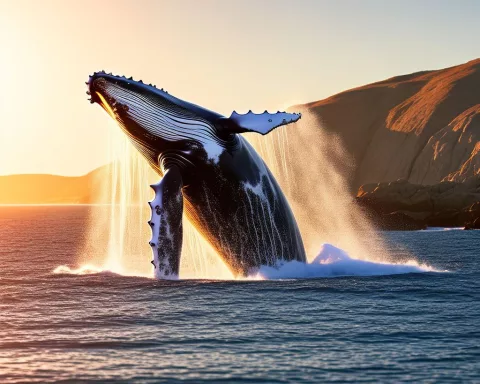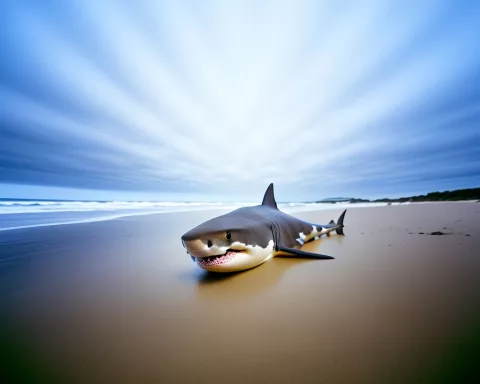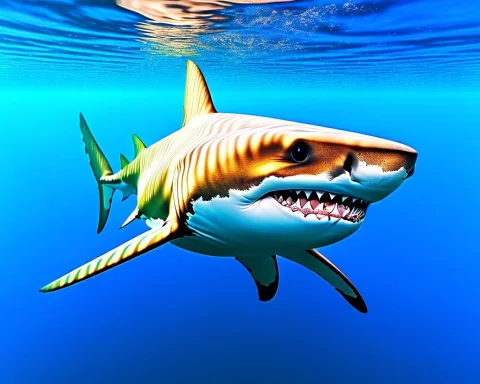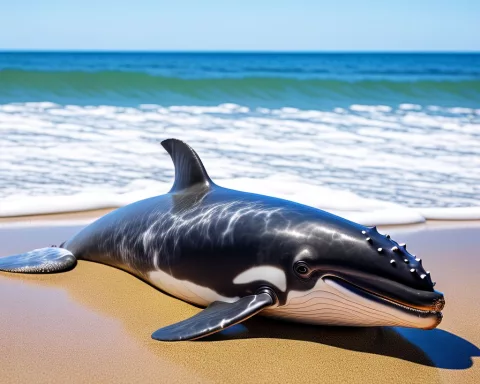

A new team made up of the Two Oceans Aquarium Foundation, Shark Spotters, SAIAB, and SANPARKS is using special underwater technology to track and protect sharks and rays in False Bay. By tagging these animals with tiny transmitters, researchers can follow their movements and learn more about their hidden lives. This exciting work not only helps keep marine life safe but also teaches the public and students about the importance of ocean conservation. Together, they are shining a light on the mysterious creatures beneath the waves and working to keep False Bay’s waters healthy for the future.
What is the new research partnership for conserving sharks and rays in False Bay?
A groundbreaking partnership between the Two Oceans Aquarium Foundation, Shark Spotters, SAIAB, and SANPARKS uses advanced acoustic tracking to study and protect False Bay’s sharks and rays. This collaboration enhances scientific knowledge, supports marine conservation, and engages the public through education and outreach.
A Confluence of Vision and Urgency
As winter’s chill settles over False Bay, ocean swells churn with anticipation. Beneath the restless surface, sharks and rays traverse ancient routes, quietly maintaining the balance of their ecosystem. Despite their crucial roles in the marine web, much about these elasmobranchs remains shrouded in mystery. This season, the tides of discovery may shift as a pioneering research alliance forms, determined to illuminate the hidden lives of these enigmatic creatures.
Nestled at the gateway to Cape Town’s waterfront, the [Two Oceans Aquarium Foundation ](https://capetown.today/cape-town-grapples-with-unprecedented-gang-turmoil/)stands as a touchstone for marine education and advocacy. Its exhibits captivate thousands each year, stoking curiosity for the underwater world. Now, on the eve of World Shark Day, the Foundation has unveiled a game-changing partnership. This collaborative network unites the field expertise of Shark Spotters, the scientific rigor of the South African Institute for Aquatic Biodiversity (SAIAB), and the custodianship of South African National Parks (SANPARKS).
This partnership emerges against a backdrop of intensifying global threats to ocean life. Climate change, habitat loss, and relentless fishing practices increasingly imperil marine biodiversity. The focus of this alliance is the network of False Bay’s Marine Protected Areas (MPAs). These sanctuaries serve as critical habitats for a wide diversity of sharks, rays, and other marine species. Dr. Nathalie Viljoen, who leads research at the Two Oceans Aquarium Foundation, expresses the project’s twofold mission: advancing scientific knowledge and nurturing the next generation of marine stewards.
Forging Alliances for Science and Conservation
Dr. Viljoen describes collaborations as the driving force behind the Foundation’s work. She emphasizes that by joining forces, organizations can achieve breakthroughs unattainable by any single entity. This philosophy mirrors the cross-disciplinary spirit of early marine explorers, who often bridged gaps between institutions to shed light on nature’s complexities. Today, researchers face higher stakes and wield far more advanced technology.
The partnership, launched in 2022, embodies a new model of teamwork in environmental science. Drawing from diverse pools of expertise, the alliance sets out to gather vital information about species that have evaded close study. The cohort includes established biologists, emerging scientists, and conservation advocates, united by a shared commitment to both exploration and preservation. Through this collaboration, the team hopes to fill longstanding gaps in knowledge about False Bay’s elasmobranch populations.
Central to the initiative is a technological marvel: the Acoustic Tracking Array Platform (ATAP). Overseen by SAIAB, this interconnected network of underwater sensors stretches from St Helena Bay to southern Mozambique. Each receiver waits for the unique signals of acoustic transmitters—tiny, high-frequency beacons attached to individual animals. These signals, pulsing at 69kHz, offer researchers a sophisticated method for monitoring the movements of tagged sharks and rays.
Illuminating the Hidden Lives of Sharks and Rays
Dr. Toby Rogers, Shark Spotters’ Research Manager, has spent years interpreting the stories hidden in these acoustic signals. Telemetry has solved riddles once thought unsolvable, such as why white sharks gather at Seal Island during the colder months, or how broadnose sevengill sharks and bronze whalers travel along the coast. These methods deliver rare insights, not only revealing the locations of these animals but also hinting at the motivations behind their journeys.
Tagging requires intricate skill and unwavering focus. Dr. Ilse Jenkinson, a veterinarian at the Two Oceans Aquarium, leads a team that carefully locates, captures, and tags animals such as lesser guitarfish, spotted gully sharks, and common eagle rays. Operating from nimble research vessels, the team swiftly attaches transmitters and releases each animal with minimal distress, ensuring a smooth return to its aquatic habitat.
To date, researchers have tagged 29 individuals, each now broadcasting a unique signature as they traverse False Bay’s depths. These signals feed a rich stream of data into research centers, gradually mapping out migration corridors, population densities, and habitat preferences. This growing tapestry of information allows scientists to decode the intricate choreography of marine life, from the rhythms of seasonal migrations to the subtle impacts of human activity.
On one memorable morning, a young Foundation researcher tracked the real-time movements of a recently tagged guitarfish. The digital path shimmered across a screen, tracing a journey from kelp forest to open water. Each ping marked a heartbeat in the animal’s passage, transforming raw data into a living story of adaptation and survival.
Educating, Inspiring, and Engaging the Public
The reach of this project extends well beyond research labs. The Foundation fosters close relationships with local universities, including the University of Cape Town, the University of the Western Cape, and Cape Peninsula University of Technology. Students participate in hands-on tracking, ethical wildlife handling, and advanced ecological interpretation. These immersive experiences spark passion and often inspire lasting commitments to conservation.
The project ensures that scientific advancements enrich the wider community. New findings inform public exhibits, interactive programs, and outreach events at the Aquarium. Visitors can expect more than static tanks—soon, they’ll witness real tracking data and dive into the stories of ongoing fieldwork. This approach bridges the gap between dynamic research and public understanding, strengthening the foundation of marine stewardship.
False Bay itself holds a unique place in South Africa’s history and imagination. Its waters have served as a crossroads, shaped by centuries of human and animal encounters. Fishermen, surfers, and marine scientists all share this storied bay with dolphins, penguins, and seals. Since the earliest days of Dutch exploration, tales of sharks have woven their way into maritime folklore, embodying both peril and mystery.
Advancing Conservation Through Modern Science
This new research partnership resonates with echoes of past exploration, yet its tools and ambitions belong firmly to the future. Modern transmitters, acoustic arrays, and sophisticated digital analysis have revolutionized how scientists understand and protect marine life.
Such research now plays a pivotal role in conservation. Sharks and rays face unprecedented risks, with many once-common species now verging on extinction. Access to real-time data allows for more adaptive management, helping authorities adjust MPA boundaries and set informed policies. Each new insight sharpens our ability to protect these animals and maintain the health of False Bay’s ecosystem.
The collaboration between the Two Oceans Aquarium Foundation, Shark Spotters, SAIAB, and SANPARKS stands as a beacon for the future of marine research. It draws on deep-rooted traditions of discovery while inviting the public, academia, and aspiring scientists to join a collective effort. Together, they seek to reveal—and preserve—the secret lives that glide through the blue heart of False Bay.
What is the purpose of the new research partnership in False Bay?
The partnership between the Two Oceans Aquarium Foundation, Shark Spotters, the South African Institute for Aquatic Biodiversity (SAIAB), and South African National Parks (SANPARKS) aims to study and protect sharks and rays in False Bay. By using advanced underwater acoustic tracking technology, the team gathers vital data on these species’ movements and behaviors to enhance scientific understanding and support marine conservation efforts.
How does the acoustic tracking technology work?
The project uses the Acoustic Tracking Array Platform (ATAP), a network of underwater sensors managed by SAIAB that detect signals from tiny acoustic transmitters attached to sharks and rays. These transmitters emit high-frequency signals at 69kHz, allowing researchers to monitor the animals’ locations, migration routes, and habitat preferences in real time.
Which species are being tagged and studied?
Researchers tag a variety of elasmobranch species including lesser guitarfish, spotted gully sharks, common eagle rays, broadnose sevengill sharks, and bronze whalers. Each tagged individual carries a unique transmitter, enabling scientists to track their individual movements and learn more about their ecological roles within False Bay.
How does this partnership benefit marine conservation?
The data collected help fill knowledge gaps about shark and ray populations, migration corridors, and behaviors, which are critical for managing False Bay’s Marine Protected Areas (MPAs). Real-time monitoring supports adaptive management strategies, enabling authorities to make informed decisions about conservation policies and protect these vulnerable species from threats such as overfishing and habitat loss.
In what ways does the partnership engage the public and students?
The collaboration actively involves universities like the University of Cape Town, University of the Western Cape, and Cape Peninsula University of Technology by providing hands-on training in wildlife tracking and conservation science. Additionally, findings from the research are shared through interactive exhibits and outreach programs at the Two Oceans Aquarium, educating visitors about ocean conservation and inspiring stewardship.
Why is False Bay significant for marine research and conservation?
False Bay is a rich marine ecosystem and a critical habitat for diverse shark and ray species. Its historical and cultural significance, combined with its ecological importance, makes it a prime location for conservation efforts. The bay’s Marine Protected Areas help safeguard biodiversity, and this partnership uses cutting-edge technology to ensure these waters remain healthy and vibrant for future generations.