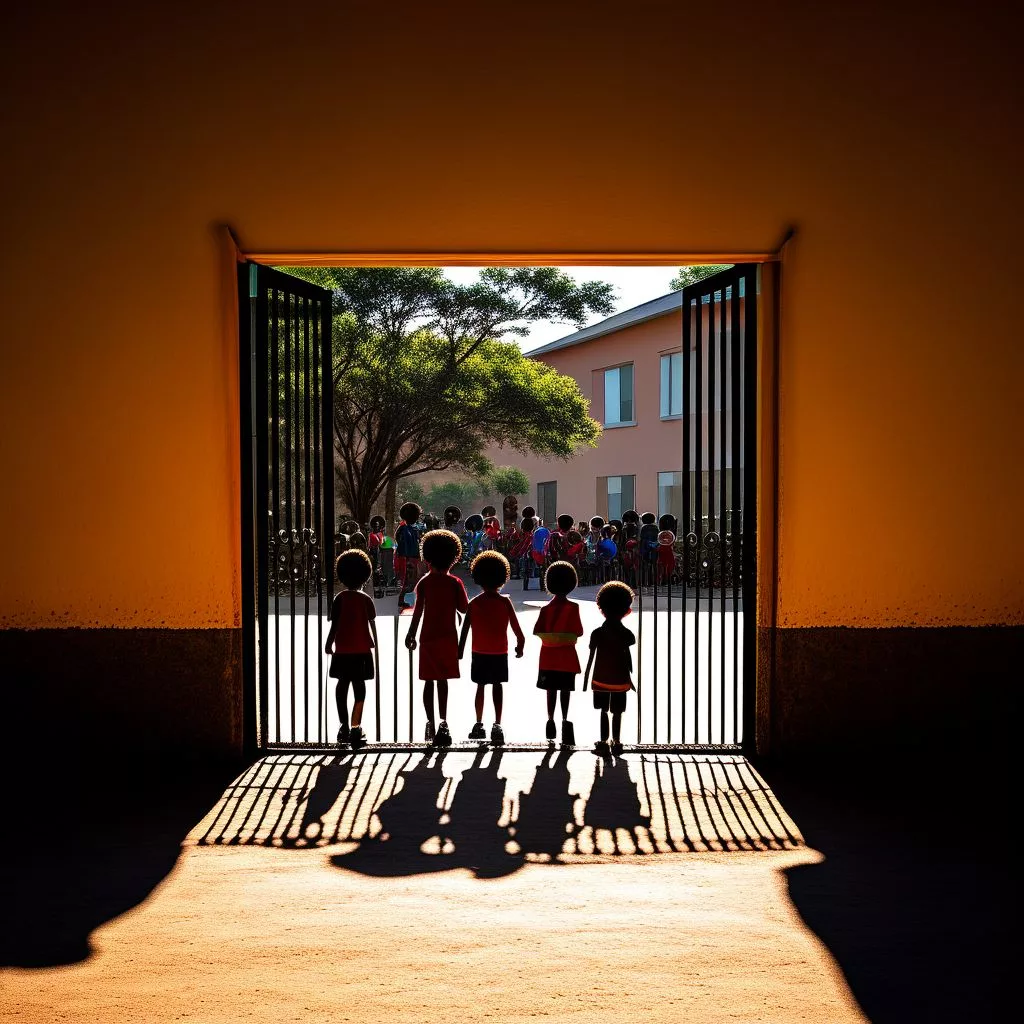

The BELA Act is a new South African law aiming to make schools fairer by changing how kids get admitted, what languages are used, and making Grade R (kindergarten) compulsory for all. It tries to fix old unfair rules from the apartheid era and help more children have a safe, good start in school. But putting these changes into practice is hard – there are problems with rules, resources, and safety in schools. Still, the BELA Act holds hope for a future where every child can learn and grow in a welcoming, equal place.
What is the Basic Education Laws Amendment (BELA) Act and how does it impact South Africa’s education system?
The BELA Act is a 2024 South African law aiming to reform school admissions, language policy, and compulsory Grade R to promote equity and inclusion. It challenges apartheid legacies, empowers provincial authorities, and seeks safer, more accessible early education despite ongoing implementation challenges.
As the morning sun rose over Cape Town, the city’s Parliament buzzed with anticipation. The chamber, traditionally a stage for weighty debates, felt charged with the gravity of history as Joy Maimela, Chairperson of the Portfolio Committee on Education, prepared to address her colleagues and the awaiting media. South Africa’s educational narrative has always been entwined with the nation’s broader struggles – against exclusion, for equality, and toward a vision of democratic opportunity. The passage of the Basic Education Laws Amendment (BELA) Act in late 2024 marked a pivotal moment: it promised not merely adjustments, but a fundamental reshaping of the country’s educational structures.
This legislation sought more than superficial change. For decades, an intricate web of policy, inherited from both colonial and apartheid legacies, has governed who gets to learn where, in what language, and under what conditions. The BELA Act set out to challenge these entrenched systems. At its heart, the law aimed to open doors long closed to many children and communities, bringing the education system in line with South Africa’s constitutional mandate for fairness, dignity, and social justice.
Yet, as with any ambitious reform, the journey from legislative breakthrough to tangible transformation has proven complex. By mid-2025, initial optimism gave way to concern as the process of implementing the BELA Act became bogged down by piecemeal regulations and mounting confusion. The promise of systemic educational renewal now finds itself tested by the realities of governance, capacity, and public trust.
Rewriting the Rules: Admissions, Language, and Feeder Zones
Among the Act’s boldest ambitions lies the reworking of admissions policies. For generations, South African schools have used “feeder zones” and local discretion to determine who may enroll. On paper, these mechanisms appear neutral, but in practice, they have often served to reinforce social and racial divides – particularly disadvantaging learners from historically marginalized communities. The BELA Act confronts this by giving provincial heads of department authority to draw and revise feeder zone boundaries, using criteria focused on demographics and parental preferences.
This shift introduces both opportunity and risk. On one hand, it offers a chance to dismantle the invisible walls of apartheid spatial planning, which, even decades after the country’s first democratic elections, still cast long shadows across school demographics. On the other hand, the increased power wielded by provincial authorities raises concerns about consistency and potential for new forms of exclusion. The Portfolio Committee, aware of these tensions, has pressed for checks and balances to ensure equity truly guides the new system.
Equally contentious is the matter of language policy. South Africa’s cultural richness stems in part from its linguistic diversity, but this same diversity has also fueled debates about which languages should dominate in schools. The BELA Act attempts to clarify who holds the power to determine a school’s language of instruction – balancing school governing bodies’ traditional autonomy with the need for oversight that prevents language from becoming a barrier to access. The committee’s debates have at times echoed the philosophical tensions of past education reformers, such as John Dewey’s calls for democratic participation in school governance, while grappling with the uniquely South African context.
Implementation, however, remains a challenge. Although the government has released regulations on admissions and school capacity, other critical guidelines – including those for language policy and governance – have yet to emerge. This staggered rollout has created uncertainty for educators and parents alike, prompting the committee to caution that partial reform risks undermining the law’s transformative intent.
Early Childhood Education: Aspirations vs. Obstacles
Perhaps the most forward-looking element of the BELA Act is its requirement for compulsory Grade R (the equivalent of kindergarten) for all children. The move mirrors international trends, recalling the educational reforms of nineteenth-century Europe that recognized early learning as the cornerstone of lifelong achievement. In theory, this ensures every child, regardless of background, starts their educational journey on equal footing.
The gap between aspiration and reality, however, remains stark. Provincial reports have surfaced detailing the acute lack of infrastructure necessary to accommodate universal Grade R. Many schools do not have enough classrooms, and basic amenities – such as water, sanitation, and secure fencing – are often missing. Particularly in rural and township areas, the foundational promise of the BELA Act risks being reduced to rhetoric if these resource gaps go unaddressed.
Beyond infrastructure, human resources pose another formidable challenge. Effective early childhood education demands a specialized set of skills. Yet, widespread shortages persist among trained Grade R practitioners, especially in underserved communities. Drawing inspiration from pioneers like Maria Montessori, who championed holistic and child-centered learning, the committee has emphasized the urgent need for sustained investment in educator training and mentorship. Without this, the risk remains that Grade R’s expansion will deliver quantity without ensuring quality.
Safety, Equity, and the Social Fabric of Schooling
As the committee wrestles with the technicalities of admissions and resource allocation, a more visceral issue looms: school safety. Recent, high-profile incidents – ranging from bullying and violence to substance abuse – have shaken public confidence and underscored the persistent vulnerability of many school environments. One particularly distressing case, where male students in East London assaulted female classmates, ignited national debate and called attention to the intersections of school safety, gender-based violence, and broader societal challenges.
In response, the Ministry of Basic Education, partnering with the Ministry of Police, has implemented the Safe Schools Protocol. This initiative brings together law enforcement and education officials, tasking them with developing joint strategies and supporting the work of school safety committees. The committee, however, sees safety as more than a matter of policing. Their vision includes robust psychosocial support, strong partnerships with community organizations, and the fostering of cultures rooted in empathy and respect – a vision that aligns with the democratic ideals articulated by progressive educators throughout modern history.
Safety, in this context, means more than physical security. It encompasses the creation of environments where learners feel valued, protected, and empowered to grow. The committee has advocated for the expansion of support programs, professional development in conflict resolution, and sustained engagement with parents and local communities – recognizing that school transformation must be a collective endeavor.
Looking Forward: Public Participation and Global Dialogue
As South Africa prepares to host the P20 Speakers’ Summit, bringing together legislative leaders from the world’s largest economies, the stakes of educational reform come into sharper relief. The BELA Act’s journey, with its triumphs and setbacks, mirrors global struggles over equity, governance, and the promise of education to drive social renewal. The committee has called on all stakeholders – parents, educators, civil society, and the broader public – to actively participate in shaping the regulatory framework that will bring the Act to life.
The transformation of South Africa’s schools remains a work in progress. The journey demands vigilance, adaptability, and a willingness to confront uncomfortable truths about the legacies of exclusion and the obstacles to inclusion. As the committee moves forward, it does so with a clear conviction: that education must serve as both a mirror and a lamp, reflecting society’s aspirations and illuminating the path toward a more just and vibrant future.
In this spirit, the BELA Act stands not as a finished product but as an evolving canvas – one painted by the hands of policymakers, educators, families, and children alike. The challenge now is to ensure that, in every stroke, the vision of dignity, equity, and opportunity is not only preserved, but realized.
What is the Basic Education Laws Amendment (BELA) Act and why was it introduced?
The BELA Act is a 2024 South African law designed to reform the country’s basic education system by making school admissions fairer, standardizing language policies, and making Grade R (kindergarten) compulsory for all children. It was introduced to dismantle the legacies of apartheid-era education policies that entrenched inequality and exclusion, aiming to create a more inclusive, equitable, and safe schooling environment for all learners.
How does the BELA Act change school admissions and feeder zones?
The Act gives provincial education authorities the power to revise and draw feeder zone boundaries, which determine which learners can attend certain schools. Previously, these zones often reinforced racial and social segregation. By focusing on demographics and parental preferences, the Act seeks to break down these historic divides. However, this shift requires careful oversight to prevent new forms of exclusion and ensure admissions policies remain fair and transparent.
What are the implications of the BELA Act on language policy in schools?
South Africa’s linguistic diversity is both a strength and a challenge. The BELA Act clarifies who can decide on a school’s language of instruction, balancing the traditional autonomy of school governing bodies with the need to prevent language from becoming a barrier to access. While this aims to promote inclusivity, the full regulatory framework on language policy is still being developed, leaving some uncertainty for schools and parents.
Why is making Grade R compulsory significant, and what challenges does this pose?
Compulsory Grade R ensures every child receives early childhood education, which is critical for lifelong learning success. This aligns South Africa with global education trends emphasizing early learning. However, many schools, especially in rural and township areas, lack sufficient classrooms, basic facilities, and trained Grade R teachers. Without addressing these resource and capacity gaps, the Act’s promise risks remaining unfulfilled.
How does the BELA Act address school safety and related social issues?
The Act highlights the importance of safe school environments amid concerns about bullying, violence, and gender-based violence. The government has introduced the Safe Schools Protocol, which involves collaboration between education authorities and police. Beyond security, the Act promotes psychosocial support, community partnerships, and school cultures based on respect and empathy to create environments where all learners feel safe and supported.
What role does public participation play in the implementation of the BELA Act?
Public involvement is crucial for the successful implementation of the BELA Act. The Portfolio Committee on Education encourages parents, educators, civil society, and the general public to engage actively in shaping the regulations and policies that will put the Act’s provisions into practice. This inclusive approach aims to ensure that the reforms reflect the needs and aspirations of all South Africans and help build a democratic, equitable education system.