The National Electricity Regulator of South Africa (Nersa) has accused the City of Cape Town of unlawfully enforcing an above-guideline tariff increase of 17.6% for the 2023/24 financial year. This accusation stems from the city’s decision to implement the increase, which goes against Nersa’s distribution licence requirements.
Dispute over Tariff Increase
Earlier this year, Nersa rejected the City’s application for a 17.6% tariff increase and suggested a 15.1% increase to be implemented on July 1, 2023. However, Cape Town appealed to the High Court, seeking a review of the 15.1% tariff proposal. As per the Energy Regulation Act, no licensee, including municipalities, can enforce electricity tariffs without the regulator’s approval. This stance is expected to be upheld by Nersa in opposition to the City’s legal proceedings.
Reasons for the Increase
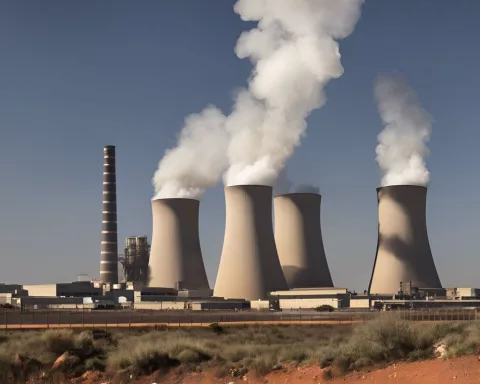
The City of Cape Town sought an above-guideline electricity tariff increase due to load shedding, declining electricity sales caused by energy efficiency measures, and an uptick in self-generation methods, such as Small Scale Embedded Generations (SSEGs). Nersa granted Eskom, the state-owned electricity utility, an 18.65% tariff hike in April. Charles Hlebela, Nersa’s spokesperson, argued that the current pricing framework offers no clawback mechanism for municipalities suffering revenue losses due to sales reductions.
Urging Implementation of Nersa’s Approved Tariff
Hlebela urged the City to implement Nersa’s approved 15.1% tariff while continuing with the judicial review application, cautioning that Nersa may escalate the issue if the city fails to cooperate. He also warned that many customers would suffer from higher electricity prices in the meantime.
City’s Response to the Tariff Increase Proposal
The City of Cape Town has criticised the 15.1% tariff increase as unsustainable and irrational. It argues that it could result in an R500 million budget deficit for the municipality and undermine efforts to mitigate load shedding following Eskom’s 18.5% tariff increase, thereby hampering service delivery. The City maintains that the 17.6% tariff increase aligns with cost and supply calculations necessary to cover electricity provision expenses, infrastructure investments, and the goal of ending load shedding.
Allocation of Funds
The City asserts that 70% of the revenue generated from the tariff hike will be directed towards purchasing bulk electricity from Eskom. The remaining funds will be allocated for reliable services, investments to end load shedding, and the acquisition of more affordable power on the open market.
Allegations of Unlawful Disregard
The City claims that Nersa unlawfully disregarded the electricity cost and supply information submitted by the City for the above-guideline tariff increase applications in 2022/23 and 2023/24. It also contends that the late notice provided by Nersa in its decision on the tariff increase made it practically impossible to seek legal relief before the start of the municipal financial year on July 1.
Impact on Residents
The ongoing legal battle between the City of Cape Town and Nersa over electricity tariffs has left residents uncertain about their future electricity costs. The outcome of this dispute will significantly impact the City’s budget, service delivery capabilities, and efforts to address load shedding and energy supply concerns.