City’s Electricity Teams Tackle Weather-Induced Outages

1 min read
electricity outages weather damage

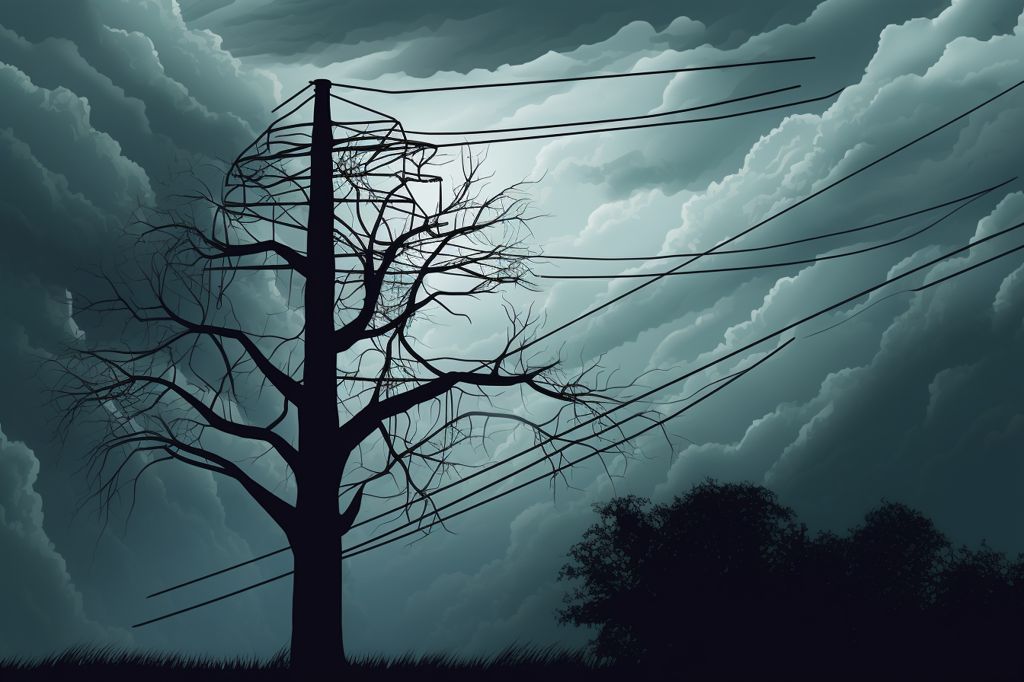
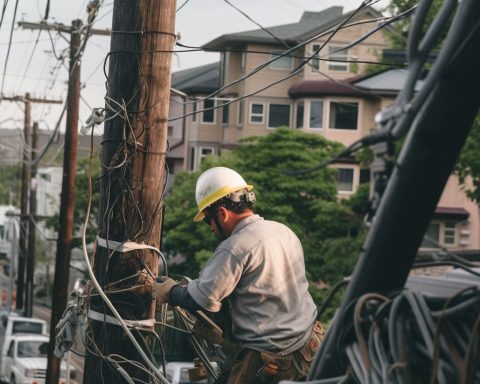
The severe weather conditions experienced in the city have resulted in an increase in electricity service requests. This has prompted the authorities to mobilize their teams to work tirelessly to address the challenges.

Areas Affected

Heavy rain and strong winds have caused extensive damage to electricity infrastructure in several areas. As a result, power outages have occurred in Philippi, Mfuleni, Seawinds, Kosovo, Newlands, Vasco Estate, Somerset West, Strand, Gordon’s Bay, Waterkloof, Kenilworth, Parow, Kuils River, Oakdale, Fish Hoek, and Hout Bay.

Newsletter

Stay Informed • Cape Town

Get breaking news, events, and local stories delivered to your inbox daily. All the news that matters in under 5 minutes.

Join 10,000+ readers
No spam, unsubscribe anytime

Repair Work

In some areas, the damage resulting from the power outages is severe, leading to complex faults and intricate repair work. This makes it challenging for the authorities to provide residents with an estimated time for restoration.

Reporting Outages

Residents are urged to report outages through email and SMS using only one channel to prevent delays. Multiple requests should be avoided. Beverley van Reenen, Mayoral Committee Member for Energy, advises residents to use this approach to log complaints.

Trees and Vegetation

The encroachment of trees and vegetation on electricity infrastructure has also been a cause for concern. The City has assigned resources to trim trees and vegetation on its property to minimize the risk of outages. Property owners are advised to maintain trees and vegetation safely, particularly during stormy weather conditions.

Reporting Risks

Residents are encouraged to report cases involving trees on City property that may pose a risk to overhead power lines. They are urged to contact professionals for assistance with dangerous or challenging work. More information on this topic is available on the City’s official website.

Flooding and Blockages

During heavy downpours or continuous rainfall, flooding of roads can occur, but the stormwater infrastructure diverts large volumes of water away from the roads. However, blockages can persist, and residents are urged to report such cases.

Complaint Channels

Residents can log complaints about road infrastructure by calling the Transport Information Centre (TIC) or emailing [email protected]. In case of life-threatening emergencies, residents can dial 021 480 7700 from a cell phone or 107 from a landline.

For electricity service requests, multiple channels have been provided, including a call center, SMS, email, and e-Services. Residents should use only one channel and avoid logging the same request multiple times to prevent delays.

Water and sanitation service requests, including reporting blocked sewers, pump station failures, vandalism to sewage reticulation infrastructure, and sewage overflows, can be logged through channels such as WhatsApp, online submissions, email, SMS, phone calls, and visiting City walk-in centers. Residents should provide a street address and obtain a reference number while submitting their complaints.

The City’s electricity teams are working tirelessly to address the high volume of service requests due to adverse weather conditions. Residents are encouraged to report power outages, road infrastructure issues, and water and sanitation service requests through the appropriate channels while following the guidelines provided by the authorities.

A Russian-Spanish journalist and Cape Town native, channels his lifelong passion for South Africa into captivating stories for his local blog. With a diverse background and 50 years of rich experiences, Serjio's unique voice resonates with readers seeking to explore Cape Town's vibrant culture. His love for the city shines through in every piece, making Serjio the go-to source for the latest in South African adventures.

Leave a Reply

Your email address will not be published.

Previous Story

Kobus Wiese: A Springbok Champion’s Journey Beyond Rugby

Next Story

Cape Town Enhances Property Ownership through Title Deeds Drive Initiative

Latest from Blog

From Randburg to the Record Books: How Tyla Rewrote Pop History in 2:45

Tyla, a young artist from Randburg, South Africa, exploded onto the music scene with her song “Chanel.” This catchy tune, made simply on headphones, became a massive hit without biglabel help. Thanks to TikTok and Spotify’s smart playlists, her music found millions of listeners globally. Tyla’s success shows that a great song, shared widely online, can now rewrite music history and reach the top charts, even from far away. She owns her music, giving her power that earlier artists never had.

Cape Town’s “Red Wedge”: How a 900-Metre Airport On-Ramp Became South Africa’s Most Watched Kill-Zone

{“summary”: “The \”Red Wedge\” in Cape Town is a dangerous 900meter stretch of airport road. It’s famous for terrible crimes like carjackings and smashandgrabs, making it South Africa’s most watched ‘killzone.’ This area was poorly designed in the 1970s, which now helps criminals ambush cars. Even with many cameras, police struggle to stop the quick attacks. Now, a big wall is being built, and new tech like drones and special apps are helping to fight back against the robbers.”}

South Africa’s 2025 Beef Surge: When Biology, Red Tape and a Thirsty Planet Collide

South African beef prices shot up in 2025, not because of local good news, but because the world ran short of red meat. Fewer cattle everywhere and China’s pork problems made other countries hungry for South African beef. Even with local sickness and people here buying less, farmers made more money. They sold to new places like the Middle East, using special tricks to get around problems. But the future is tricky, with animal sickness, changing weather, and how much money is worth all playing a part in what happens next for South African beef.

A Province That Won’t Stop Knocking on the Constitutional Door

The Western Cape really wants to break away from South Africa, but it’s super hard because of the law. The country’s main rule says South Africa must stay as one, and changing that is almost impossible. Even though many people in the Western Cape feel left behind and want to control their own future, the government keeps saying ‘no’. So, for now, the Western Cape has to find other ways to get more power without leaving the country.