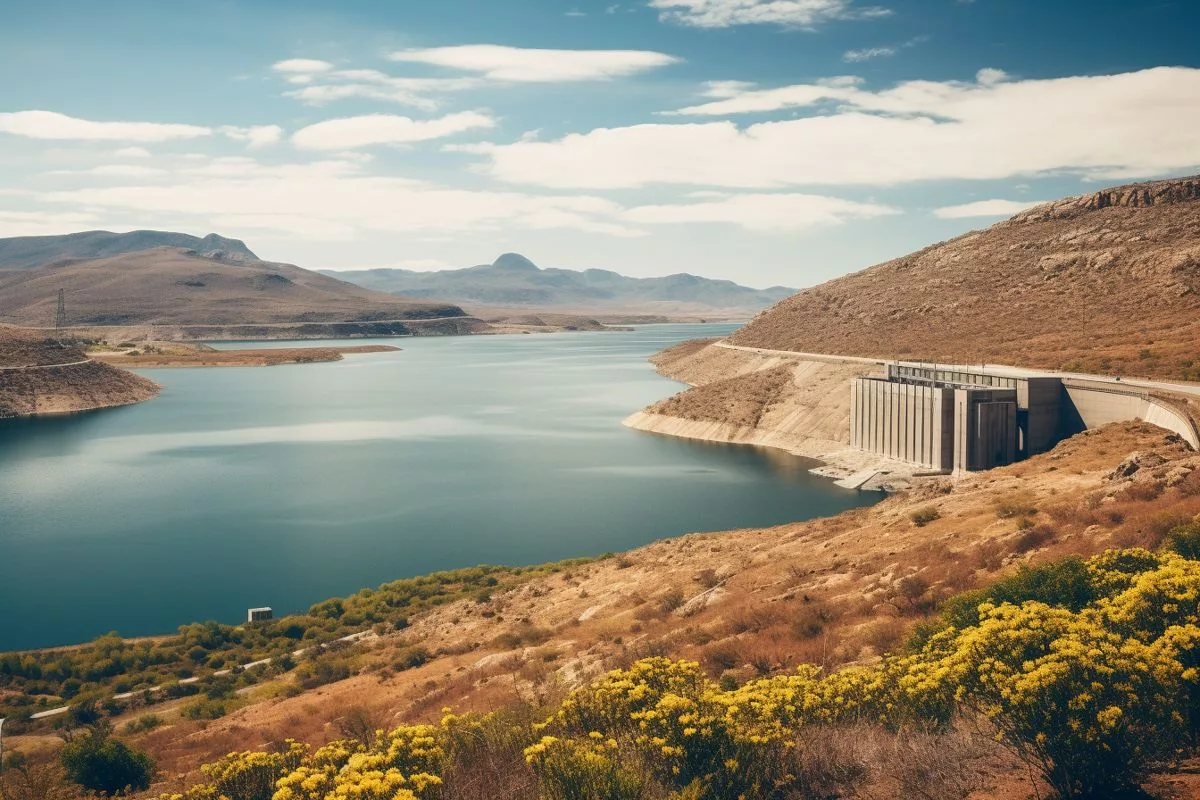
The Clanwilliam Dam project in the Western Cape is being revived with a R4 billion investment to raise the dam wall by 13 meters and increase water capacity. This will aid disadvantaged farmers, creating jobs and fostering food security while promoting economic growth. Over 500 employment opportunities will be generated for local residents, who will also benefit from new business prospects. The project is a vital step forward for the West Coast communities, improving living conditions and promoting sustainable development.
What is the Clanwilliam Dam Project about?
The Clanwilliam Dam project involves raising the dam wall by 13 meters, with a value of R 4 billion, to increase water capacity and aid disadvantaged farmers, fostering food security, and decent jobs through inclusive economic growth. The project will generate over 500 employment opportunities for skilled, semi-skilled, and unskilled workers, providing skill enhancement and learning experiences while opening new business prospects for local residents. The project is a fresh start for the West Coast, presenting economic growth, job creation, and enhanced support for the agricultural and energy sectors.
A Promising Future for West Coast Communities
The Clanwilliam Dam project, located on the Olifants River near Clanwilliam in the Cederberg Local Municipality, has been given a new lease on life, marking a turning point for the communities along the West Coast corridor. Mr. Senzo Mchunu, Minister of Water and Sanitation, Mr. Tertuis Simmers, Western Cape MEC for Infrastructure, and Dr. Ruben Richards, Cederberg Local Municipality Executive Mayor, recently paid a visit to the dam site to monitor the construction progress.
Valued at R 4 billion, the project represents one of the most substantial government infrastructure investments in the Western Cape. The plan entails raising the dam wall by 13 meters, with R 400 million set aside for the current financial year (2023/24) to back the project.
This increased water capacity resulting from the heightened dam wall will aid disadvantaged farmers, fostering food security, and decent jobs through inclusive economic growth. As the project progresses, it will generate over 500 employment opportunities for skilled, semi-skilled, and unskilled workers, providing skill enhancement and learning experiences while opening new business prospects for local residents.
Removing Obstacles and Ensuring Project Completion
Minister Mchunu stressed that addressing the issues that led to the project’s failure and guaranteeing its completion is the Department of Water and Sanitation’s primary concern. The expanded infrastructure will serve as a vital resource for numerous livelihoods in the area. The dam currently produces approximately 123 million cubic meters of water; once completed, it is anticipated to generate 343 million cubic meters—nearly double the present output.
During a meeting with stakeholders and residents at the local church hall, NG Kerk, Minister Mchunu underlined the government’s commitment to allocating significant resources to construction projects nationwide. Through endeavors like the Clanwilliam Dam, the department aims to deliver high-quality water to South African households. The Minister also noted that a competent management team is now in place for the Clanwilliam Dam project, who will receive support to ensure its completion.
The project’s resurgence is a notable accomplishment for the Western Cape Province. MEC Simmers stated that the province welcomes the dam project’s revival, given its long history. The progress of the project will further expedite planned hydro-energy projects for the west coast corridor and enhance the agricultural sector. Simmers confirmed the dedication of various government and private sector entities to the project’s successful execution.
Local entrepreneur Francois Swaartbooi echoed the stakeholders’ renewed enthusiasm, expressing delight at the project’s revival. Swartbooi mentioned that a business forum has been established to guarantee that local small and medium enterprises benefit from the project.
Moving Forward with Construction and Environmental Protection
Last week, the construction team carried out trial blasting at the Clanwilliam Dam construction site, signaling a new chapter for the project. Excavation activities are set to trigger large-scale operations at the site in the upcoming weeks.
The current tasks at the site comprise excavations for drilling and blasting operations, blast proposal and design by the drill and blasting sub-contractor, and assessment of the vertical faces of the excavation by geologists to establish rock anchor details.
In compliance with South Africa’s stringent environmental laws, an Environmental Management Plan (EMP) was created and approved during the project’s initial stages. This plan guarantees the protection of both the environment and the resource during and after construction.
Although the Clanwilliam Dam project experienced delays over the years, the department is determined to complete the work within revised timelines, budgets, and specifications with its recent revitalization.
The Clanwilliam Dam project’s renewal represents a fresh start for the West Coast, presenting economic growth, job creation, and enhanced support for the agricultural and energy sectors. The project’s successful completion will significantly contribute to sustainable development and improved living conditions for the region’s inhabitants.
1. What is the Clanwilliam Dam Project about?
The Clanwilliam Dam project involves raising the dam wall by 13 meters, with a value of R 4 billion, to increase water capacity and aid disadvantaged farmers, fostering food security, and decent jobs through inclusive economic growth.
2. How will the Clanwilliam Dam project benefit the local community?
The project will generate over 500 employment opportunities for skilled, semi-skilled, and unskilled workers, providing skill enhancement and learning experiences while opening new business prospects for local residents. This will aid disadvantaged farmers, creating jobs, and fostering food security while promoting economic growth, improving living conditions, and promoting sustainable development.
3. What is the value of the Clanwilliam Dam Project investment?
The Clanwilliam Dam project is being revived with a R4 billion investment.
4. What is the role of the government in the Clanwilliam Dam Project?
The government is committed to allocating significant resources to construction projects nationwide. Through endeavors like the Clanwilliam Dam, the department aims to deliver high-quality water to South African households. A competent management team is now in place for the Clanwilliam Dam project, who will receive support to ensure its completion.
5. How will the Clanwilliam Dam Project promote economic growth?
The Clanwilliam Dam project will aid disadvantaged farmers, creating jobs, and fostering food security while promoting economic growth, improving living conditions, and promoting sustainable development. The progress of the project will further expedite planned hydro-energy projects for the west coast corridor and enhance the agricultural sector.
6. How will the Clanwilliam Dam Project impact the environment?
In compliance with South Africa’s stringent environmental laws, an Environmental Management Plan (EMP) was created and approved during the project’s initial stages. This plan guarantees the protection of both the environment and the resource during and after construction.
7. What is the current status of the Clanwilliam Dam Project?
The construction team carried out trial blasting at the Clanwilliam Dam construction site, signaling a new chapter for the project. Excavation activities are set to trigger large-scale operations at the site in the upcoming weeks. The department is determined to complete the work within revised timelines, budgets, and specifications with its recent revitalization.
8. How will small and medium enterprises benefit from the Clanwilliam Dam Project?
A business forum has been established to guarantee that local small and medium enterprises benefit from the project. Local entrepreneur Francois Swaartbooi expressed delight at the project’s revival, mentioning that the business forum will ensure local businesses benefit from the project.