Coffee culture is more than just drinking coffee in the morning—it’s a lively global tradition that brings people together. From cozy cafés like Espressolab in Cape Town to famous coffee spots worldwide, it blends quality, creativity, and community. Every cup tells a story of care, craft, and connection, making coffee a shared experience that fuels friendships, ideas, and moments of calm.
What is coffee culture and why is it important today?
Coffee culture is a global phenomenon where coffee goes beyond a morning ritual to shape communities and creativity. It emphasizes quality, sustainability, and social connection through specialty cafés like Espressolab, blending tradition with innovation and fostering shared experiences worldwide.
The Dawn of Coffee Rituals
As the sun barely peeks over the horizon and the city’s avenues rest in their early morning calm, the unmistakable fragrance of brewing coffee drifts through open windows. For countless people, this inviting aroma signals the beginning of not just a new day, but of a beloved custom. Each cup serves as a gentle invitation to join the rhythms of daily life, bridging the gap between sleep and the vibrant pulse of the waking world. Yet, coffee has grown far beyond its role as a simple morning stimulant—it now shapes communities, fuels creativity, and stands as a symbol of both artistry and ambition.
Coffee’s journey from a humble drink to a cultural cornerstone winds through centuries of human history. Centuries ago, Ottoman coffeehouses thrived as lively centers for conversation and connection. Later, European salons became gathering spots for philosophers and artists during the Enlightenment, while the smoky cafés of postwar America buzzed with poets and iconoclasts. These historic meeting places were more than caffeine dispensaries; they fostered spirited discussions, creative breakthroughs, and a quiet kind of dissent. Even in the digital age, the echoes of these communal spaces linger in the warm atmosphere of contemporary cafés, where people meet to work, talk, and dream.
Today, coffee shops occupy an almost legendary place in urban life. They serve as versatile meeting grounds—hosting everything from first dates to pivotal business discussions. Artists sketch quietly in corners, students pore over assignments, and remote workers transform nooks into impromptu offices. The lighthearted slogan, “Don’t talk to me until I’ve had my coffee,” has transcended language barriers, humorously nodding to coffee’s place at the heart of daily routines worldwide.
The Art and Identity in Every Cup
The rise of coffee culture reflects a deeper blend of taste, aesthetics, and personal identity. Ordering a cup has become an act of self-expression, influenced by both the beverage itself and the venue where it’s enjoyed. The third wave coffee movement—a global trend that values coffee as a handcrafted, high-quality product—has fueled this evolution. Baristas now approach their work with the care of sommeliers, and menus read like detailed guides, listing each coffee’s origin, altitude, and tasting notes.
This international enthusiasm for exceptional coffee has inspired new traditions, including the annual ranking of the world’s top cafés. Each year, a panel of respected baristas, roasters, and industry insiders evaluates coffee shops on criteria that extend far beyond taste. They consider not just the quality of the brew, but also service, creativity, atmosphere, sustainability, and the caliber of accompanying treats. This comprehensive approach has elevated coffee shops into destinations, where visitors seek not only a great drink, but a memorable experience.
Among this illustrious group, Cape Town’s Espressolab has carved out a reputation that reaches almost into the top ten worldwide. With branches in the buzzing districts of De Waterkant and Woodstock, Espressolab invites guests into stylish, welcoming spaces that merge urban chic with eclectic quirks. Each location balances visual appeal with comfort, making it as suitable for Instagram photos as for lingering conversations with friends or colleagues.
Excellence at Espressolab: Craft, Innovation, and Sustainability
Espressolab’s acclaim stems from more than just good looks. The café’s unwavering commitment to quality and responsible sourcing sets it apart in the competitive specialty coffee industry. Espressolab partners with fully traceable farms, estates, and cooperatives, focusing on single-origin beans from Africa and South America. Each small-batch roast aims to highlight the unique flavors of its source—floral notes in Ethiopian varieties, rich chocolate profiles from Colombia, and more. This approach aligns perfectly with the ideals of the third wave movement, emphasizing transparency, ethical procurement, and a nuanced appreciation for flavor.
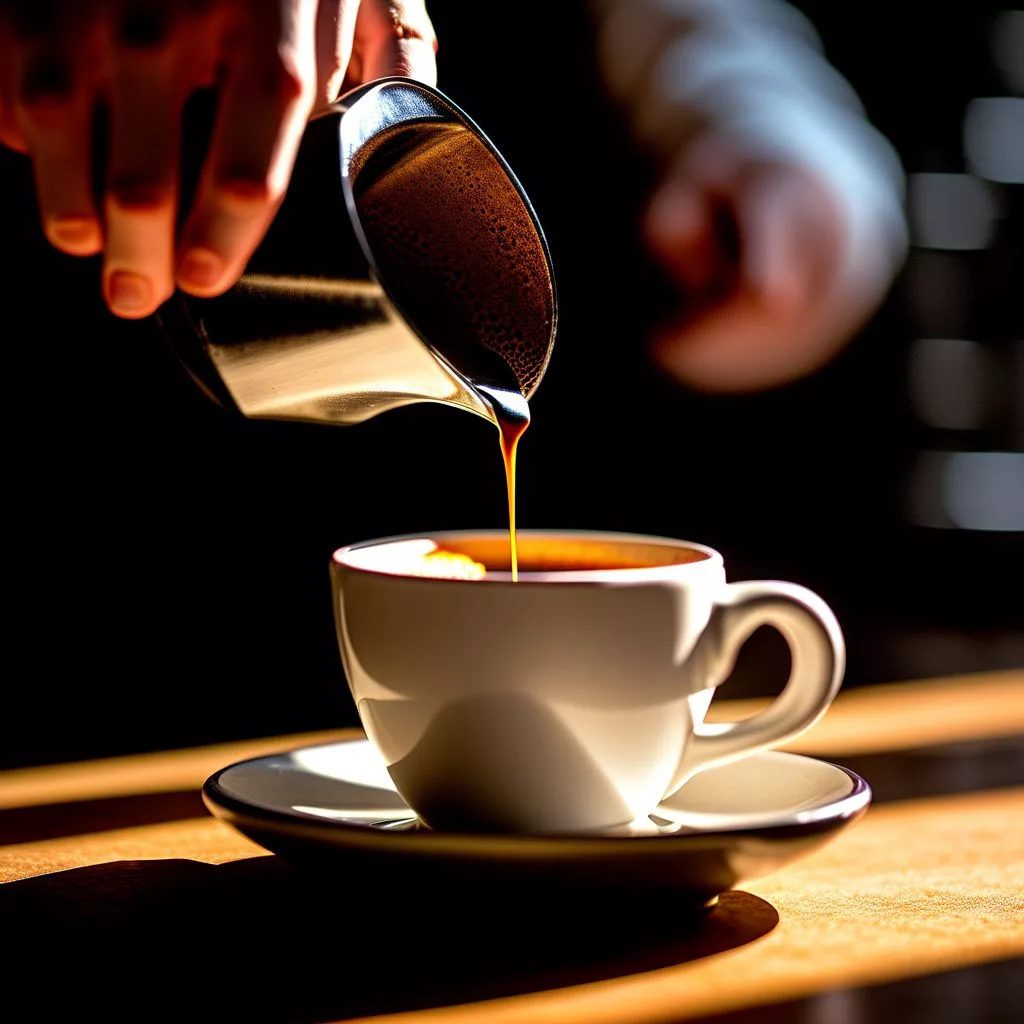
Behind every cup at Espressolab, a dedicated team of baristas brings out the best in each bean. Staff undergo extensive training, perfecting their skills through hands-on work and continuous learning. Customers can observe as baristas weigh beans with precision, monitor water temperatures, and pour with a practiced hand. This focus on detail ensures a consistently excellent cup—no small feat in a field where subtle variations can make all the difference.
Innovation plays a key role in Espressolab’s ongoing success. The café experiments with diverse brewing methods, offering pour-overs, Chemex, cold brews, and inventive espresso-based drinks. Seasonal menus occasionally introduce playful twists—incorporating local ingredients or international trends—while staying true to the essence of exceptional coffee. This spirit of curiosity and experimentation keeps the experience fresh, inviting guests to explore new flavors and techniques without abandoning tradition.
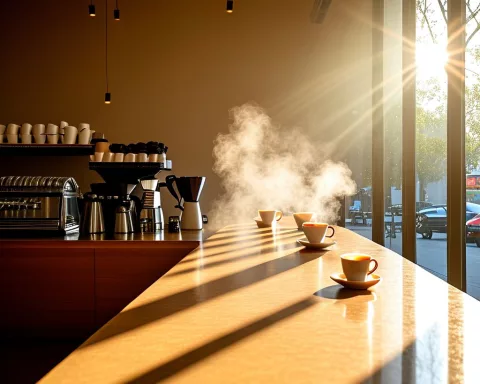
The ambiance at Espressolab completes the experience. Interiors balance industrial design with warm, tactile materials—think exposed brick, polished concrete, wood accents, and ample daylight. Communal tables create a sense of shared space, while the soothing sound of grinders and the gentle clink of cups fill the air. It’s an environment that encourages guests to slow down, savor their beverages, and immerse themselves in the moment.
Sustainability is an increasingly important factor for coffee enthusiasts worldwide. Today’s consumers want their choices to make a positive impact. Espressolab responds by building direct partnerships with producers, ensuring both fair compensation and environmental stewardship. This transparent model supports farming communities and helps safeguard the future of specialty coffee—proving that great taste and ethical practice can go hand in hand.
Coffee on the Global Map: Recognition, Community, and Evolution
The annual list of top coffee shops reads like a survey of the world’s most dynamic coffee scenes. Australia’s Toby’s Estate Coffee Roasters currently sits at the pinnacle, followed closely by Onyx Coffee LAB in the United States and Austria’s Gota Coffee Experts. Norway’s Tim Wendelboe and Australia’s Proud Mary Coffee round out the top five, underscoring the international diversity that now defines coffee culture.
South Africa, too often overlooked in global coffee circles, has earned a place on this prestigious list. Alongside Espressolab, which sits just outside the top ten, Johannesburg’s The Whippet also garners recognition, ranking at number 89. The Whippet draws from Africa’s rich coffee heritage while infusing its menu with contemporary twists. This acknowledgment signals an important shift: African producers and cafés are now stepping into the spotlight, showcasing the continent’s contributions to the world of specialty coffee.
Coffee shops serve as mirrors of the communities that surround them. In Cape Town, the café scene reflects the city’s cosmopolitan energy and its ongoing engagement with themes of sustainability, design, and social connection. Espressolab’s two locations attract a diverse clientele—businesspeople, creatives, students, and travelers—each weaving their stories into the café’s atmosphere. These spaces foster not just individual reflection but a sense of collective belonging.
The universal appeal of coffee lies in its ability to bring people together. Whether sipping a pour-over in Oslo, sharing a cappuccino in Melbourne, or enjoying an espresso in Cape Town, patrons across the globe share a moment of anticipation before that first sip. This small ritual bridges cultures, languages, and backgrounds. Throughout history, coffee has inspired artists, writers, and thinkers—from Balzac’s marathon coffee sessions to the creative ferment of Parisian cafés during the Impressionist era.
As coffee culture continues to mature and expand, it blends tradition with contemporary influences. The third wave has renewed attention to origin, process, and ethics, while digital trends have introduced new forms of engagement—latte art competitions, Instagram-worthy interiors, and vibrant online communities of home brewers. Coffee has transformed from a mere beverage into a centerpiece of daily life, a shared language spoken across continents.
Espressolab’s ascent exemplifies the energy and innovation driving today’s coffee culture. By combining expert craftsmanship with a sense of community, and pairing creativity with respect for heritage, Espressolab offers patrons more than just great drinks—it creates memorable experiences. In doing so, it reminds us that the true magic of coffee lies in its power to connect people, foster friendships, and create spaces where life slows down—if only for a moment—with each cup.
What is coffee culture and why is it important today?
Coffee culture is a global phenomenon that extends beyond simply drinking coffee in the morning. It shapes communities, fuels creativity, and fosters social connections through specialty cafés that emphasize quality, sustainability, and shared experiences. Today, coffee culture blends tradition with innovation, making each cup a meaningful ritual that brings people together worldwide.
How has coffee culture evolved historically?
Coffee culture has deep roots stretching back centuries. Ottoman coffeehouses were early hubs for conversation and connection, while European salons during the Enlightenment and postwar American cafés served as creative and intellectual meeting places. These historic spaces inspired discussion, artistic breakthroughs, and social movements. Modern cafés continue this tradition by offering vibrant environments for work, socializing, and relaxation.
What distinguishes the third wave coffee movement?
The third wave coffee movement treats coffee as a handcrafted, high-quality product akin to fine wine. It focuses on transparency, ethical sourcing, and celebrating the unique flavors of single-origin beans. Baristas undergo extensive training and use precise brewing methods to highlight subtle tasting notes. This movement has elevated coffee shops into destinations known for exceptional taste, creativity, and atmosphere.
What makes Espressolab a standout coffee destination in Cape Town?
Espressolab is renowned for its commitment to quality, sustainability, and innovation. It sources fully traceable, single-origin beans from Africa and South America, roasting them in small batches to showcase distinctive flavors. Their skilled baristas use precise brewing techniques, and the cafés offer stylish, comfortable spaces that blend industrial design with warmth. Seasonal menus and diverse brewing options keep the experience fresh and exciting.
How does Espressolab support sustainability and ethical sourcing?
Espressolab partners directly with farms, estates, and cooperatives that practice responsible farming and fair compensation. This transparent supply chain model ensures environmental stewardship and supports the livelihoods of coffee producers. By prioritizing ethical procurement and traceability, Espressolab aligns its practices with the values of the third wave coffee movement and caters to consumers who care about the impact of their choices.
Why is coffee culture considered a global connector?
Coffee culture transcends language, geography, and social barriers by creating shared rituals and spaces for connection. Whether in Cape Town, Melbourne, Oslo, or New York, coffee brings people together—whether for conversations, creative inspiration, or quiet moments of reflection. Historically and today, coffeehouses serve as cultural hubs, fostering friendships, ideas, and community across diverse populations worldwide.