Combating Water Pollution: A Partnership between Water and Sanitation Department and Makana Local Municipality

1 min read
water pollution safe drinking water

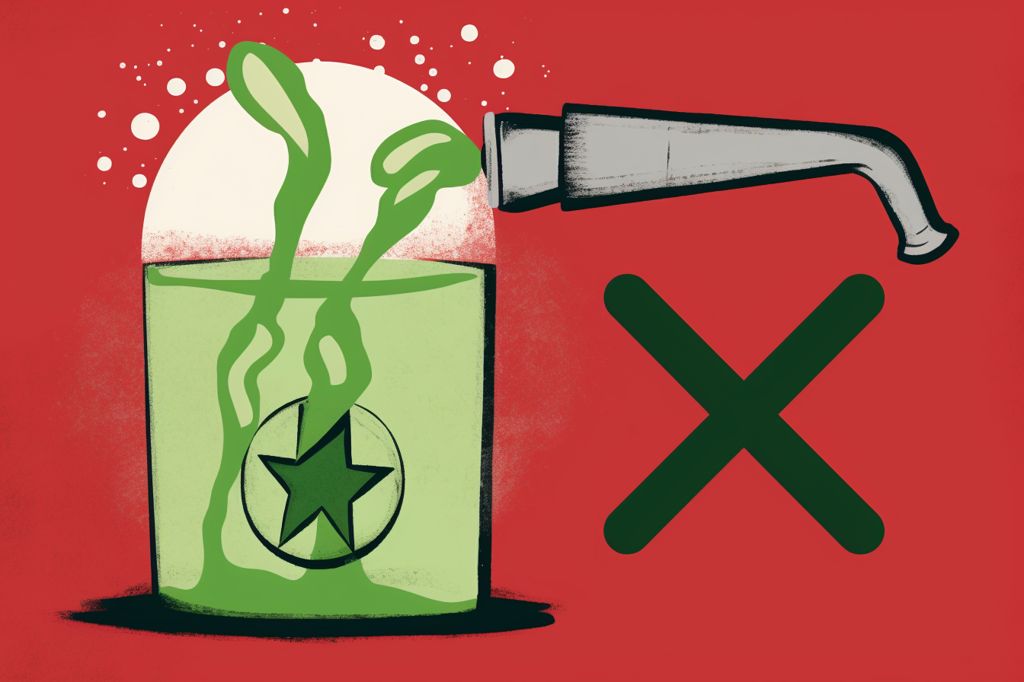
The Department of Water and Sanitation (DWS) in Eastern Cape and the Makana Local Municipality have joined forces to raise awareness of the consequences of water pollution and waterborne diseases. This initiative was launched because Makana was facing severe water quality challenges, and E. coli bacteria were detected in various water points within the municipality from February to May.

Ensuring Safe Drinking Water

To address the situation, the DWS enlisted Amatola Water to conduct further water tests to ensure the safety of drinking water. Fortunately, recent tests have shown that the James Kleynhans Water Treatment Works, which supplies water to Makhanda and surrounding areas, was free of E. coli as of May 27, 2023. The treatment facility sources its water from the Glen Melville Dam, which is connected to the Lower Orange-Fish Government Water Scheme through a network of canals and river systems.

Newsletter

Stay Informed • Cape Town

Get breaking news, events, and local stories delivered to your inbox daily. All the news that matters in under 5 minutes.

Join 10,000+ readers
No spam, unsubscribe anytime

To further improve the water treatment process, the Makana Municipality has increased the chlorine gas dosage at the treatment plant and introduced booster dosing with chlorine granules in four reservoirs, including Botha’s Hill reservoir and Intermediate Reservoirs on the eastern side, as well as the Intermediate and High-Level reservoirs on the western side.

Awareness Campaign

To support the joint efforts of DWS and the Makana Municipality, health and hygiene officials from the DWS’s provincial office have been deployed to distribute sanitizers and soap to community members. Municipalities are also required to conduct regular tests on treated water supplied to households, according to the South African National Standard (SANS) 241. If the water does not meet the required standards, the municipality must issue an advisory notice urging residents to disinfect the water through methods such as boiling or using bleach.

The National Institute for Communicable Diseases (NICD) has also provided guidelines for safe drinking water. The DWS has urged the public to avoid consuming water from rivers, dams, and streams unless it has been disinfected first.

Regulatory Responsibility

As a regulator of the water sector, the DWS is responsible for monitoring drinking water quality in compliance with the National Water Act and Water Services Act. This involves collecting samples of treated drinking water from Water Treatment Works for analysis to ensure compliance with the South African National Standard (SANS) 241.

The partnership between the DWS and the Makana Municipality aims to educate and empower the community to effectively combat water pollution and its consequences. By working together, they hope to achieve their goals of ensuring safe drinking water and promoting better hygiene practices.
A Russian-Spanish journalist and Cape Town native, channels his lifelong passion for South Africa into captivating stories for his local blog. With a diverse background and 50 years of rich experiences, Serjio's unique voice resonates with readers seeking to explore Cape Town's vibrant culture. His love for the city shines through in every piece, making Serjio the go-to source for the latest in South African adventures.

Leave a Reply

Your email address will not be published.

Previous Story

Duane Vermeulen: A Rugby Legend’s Last Hurrah

Next Story

Kaizer Chiefs in Search for Midfield Talent

Latest from Blog

Forty Metres of Air: The Morning Kiteboarding Rewrote Physics

Hugo Wigglesworth, a young kiteboarder, defied gravity and rewrote the record books by soaring an incredible 40 meters into the air. He used powerful winds, a perfectly timed jump off a wave, and special gear to achieve this amazing feat. His careful planning and hundreds of practice runs made him fly higher than anyone before, showing the world what’s possible in kiteboarding.

Airbnb Under Fire: How Cape Town’s Housing Crunch Became a Tourism Blame-Game

Cape Town’s housing woes are NOT really Airbnb’s fault, even though a viral photo tried to blame them! The real problem is that not enough homes are being built, and lots of new people are moving to the city. Getting building permits takes forever, making homes expensive. Airbnb brings in lots of money and jobs, and even if all Airbnbs disappeared, it wouldn’t fix the big housing shortage. The city needs to build more homes and make it easier to do so, not just point fingers at tourists.

Cape Town’s Hottest Tables: Where Summer Tastes Like Salt, Smoke and Midnight Vinyl

Cape Town’s new restaurants are super exciting, offering amazing tastes from the ocean, farms, and even old recipes. Places like Amura serve unique sea dishes, while Tannin has a huge wine list and tiny plates. Café Sofi bakes heavenly pastries, Beach Buns makes awesome burgers, and Le Bistrot de JAN mixes French and South African flavors. These spots let you taste the city’s lively food scene, from fancy dinners to casual beach eats, making every meal an adventure.

Between Concrete and Current – Four Inland Hearts Meet the Indian Ocean

This article tells a beautiful story of four South Africans from inland places who see the Indian Ocean for the very first time. For many, the sea is just a picture, far away and hard to reach. But when these brave people finally touch the salty water, it changes them deeply. They feel the ocean’s power, taste its salt, and understand that this huge, blue world is now a part of their own story, breaking down old ideas about who can connect with the sea.