South Africa’s natural resources are integral to its identity, and it is crucial to preserve and maintain them for both present and future generations. To achieve this goal, community-based initiatives must be integrated, as evidenced by the recent clean-up and greening campaign led by Deputy Minister of Forestry, Fisheries, and the Environment, Ms. Makhotso Sotyu, in Bothaville, Free State.
Citizen Involvement in Preserving Natural Resources
South Africa’s constitution grants every citizen the right to a safe and healthy environment. The Department of Forestry, Fisheries, and the Environment is responsible for ensuring that natural resources are utilized in a sustainable way, reducing environmental degradation and resource scarcity for the future.
In collaboration with the Lejweleputswa District and Nala Local Municipalities, the department conducted a community-driven clean-up and greening initiative. This program highlights the significance of citizen involvement in safeguarding natural resources and reducing waste pollution in communities. It is a prime example of the Good Green Deeds program, which aims to mobilize all sectors of South Africa to become more environmentally conscious.
Good Green Deeds Program
The Good Green Deeds program aims to alter people’s attitudes and behaviors towards responsible waste management and maintaining clean, green, and safe neighborhoods. It is a call to action for all South Africans to take responsibility for their environment and recognize the health and environmental risks posed by poor waste management. Through collective efforts, clean-living spaces can become a reality for all.
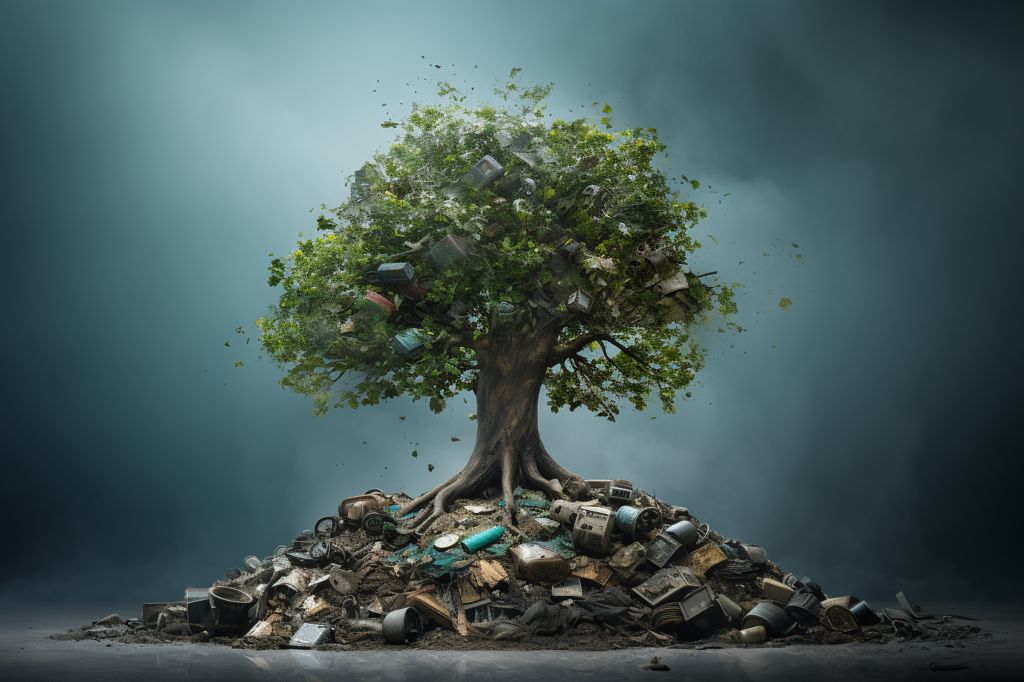
Illegal dumping and littering are major issues in South Africa, affecting communities of all sizes. These practices harm the well-being of communities by creating pockets of illegal dumping and littering sites. Therefore, the program emphasizes the need to mobilize citizens to stand against such activities in their respective communities.
Partnership between Department and Local Municipalities
The Department of Forestry, Fisheries, and the Environment partnered with the local government agencies to conduct the clean-up and greening campaign at several identified spots within Lejweleputswa District Municipality. The campaign also focused on providing personal protective equipment (PPE) to In-House Model participants, which further strengthened the cleaning and greening program.
The In-House Model, a program conceptualized through Environmental Programs, employs the Department’s staff to implement and manage projects directly. This approach enables the employment of more Expanded Public Works Programme (EPWP) participants, leading to savings on project management fees. It also ensures timely payment of wages, fostering accountability for the program’s success.
In partnership with the Lejweleputswa District Municipality, the department recruited 517 participants as part of the In-House Model to address service delivery and waste management challenges. The partnership also supports the provision of PPE, tools, and waste collection commitments.
Call to Action
Every South African can play a role in preserving the earth and securing a sustainable future for the country. Small actions such as picking up litter in neighborhoods can lead to significant change. By heeding the call to action for Good Green Deeds, citizens can take responsibility for their environment and make a positive impact on their communities.