The district of Mitchells Plain in South Africa is currently facing an alarming increase in infrastructure vandalism, with 353 incidents recorded in just the third quarter of 2023. These actions have cost the city R5.7 million in repair costs and placed a strain on resources needed for a quick recovery. However, the Energy Law Enforcement and Technical Unit (ELETU) is working to safeguard the infrastructure, and community alertness is also playing a crucial role in curbing vandalism. The fight against this threat is a communal effort that requires everyone’s involvement and vigilance.
Confronting infrastructure vandalism in Mitchells Plain: What is the current situation?
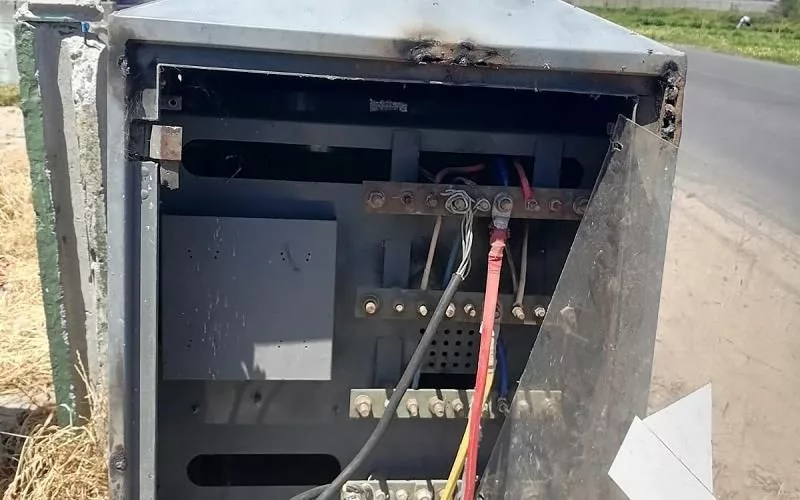
Over the third quarter of 2023, the Mitchells Plain district of Area South, South Africa, has witnessed an alarming 353 instances of infrastructure vandalism, with Area South alone accounting for 271 incidents. The ongoing vandalism and illicit connections have exhausted the city’s financial resources, resulting in an enormous expenditure of R5,7 million on repair costs, and put a strain on the resources necessary for quick recovery.
A Tumultuous Landscape
In the fading light of the cityscape, a battle unfolds in the Mitchells Plain district of Area South, South Africa. The district’s fervent call to arms against relentless electricity infrastructure vandalism rings out, steadfast and determined. Over the third quarter of 2023, the district found itself embroiled in a striking 353 instances of destruction, theft, and unlawful damage to power connections. A considerable proportion of these, 271 incidents to be exact, concentrated in Area South. Mitchells Plain district alone accounted for 137 incidents, a notable 39% of the total.
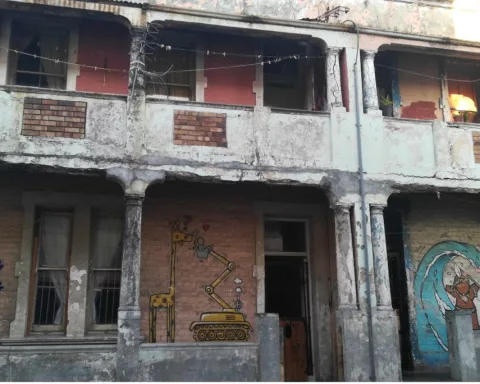
The visual appeal of this area is scarred by an underlying reality of infrastructure degradation, a chilling reflection of ongoing vandalism and illicit connections. These actions exhaust the city’s financial resources, resulting in an enormous R5,7 million expenditure on repair costs, and put a strain on the resources necessary for quick recovery.
Within the southern district, incorporating both core and peripheral areas such as Lotus River, Grassy Park, and Philippi, the infrastructure is under ceaseless attack. The constant cycle of destruction and repair persists, with every countermeasure met with additional onslaughts. These instances, often concealed in the shadows of the night and power outages, are a constant affliction for the local populace.
Rising Concerns and the Fightback
The escalating trajectory of vandalism and unlawful connections over the preceding five years has raised alarm bells for the City’s Mayoral Committee Member for Energy, Councillor Beverley Van Reenen. The increasing frequency and recurring nature of these incidents significantly affect response times and deplete staff efficiency in restoring power or fixing affected street lighting.
However, amidst the tumult, a ray of hope emerges. The Energy Law Enforcement and Technical Unit (ELETU), a specialized team within the City Energy sector, has been diligently working towards safeguarding the infrastructure. Their efforts have proven fruitful in places such as Mfuleni and Philippi, where they successfully curbed illegal activities, resulting in fewer instances of prolonged power outages and power trips.
Nevertheless, the significance of community alertness is paramount. Local residents form the first line of defense against vandalism by serving as the eyes and ears for law enforcement. The city’s call for assistance echoes in the plea for the public to promptly report any suspicious activities surrounding the electricity infrastructure to local law enforcement or via the City’s Fraud Hotline.
The Light at the End of the Tunnel
The city shoulders the responsibility of maintaining a whopping 245,000 streetlights, a task that’s become increasingly daunting due to the surge in electricity requests and relentless vandalism. Despite the challenging circumstances pushing the city’s capabilities to the brink, it remains undeterred in its commitment to counteract theft and significant damage to its vital infrastructure.
Interestingly, despite the high number of incidents in Area South, regions like Area East and Area North continue to uphold lower vandalism rates. These contrasting situations highlight the uneven geographical distribution of these occurrences.
In the end, the battle against infrastructure vandalism is a communal effort. For the city lights to continue illuminating the streets and life to hum along smoothly, it is crucial to curb this urban blight. By standing together against this threat and serving as vigilant observers for law enforcement, residents can effect meaningful change. Their involvement can protect their neighborhoods and save the city’s infrastructure. The fight against vandalism isn’t only the City’s battle—it’s a responsibility that falls to everyone. United, they can make a significant impact.
The directive is clear and powerful: it’s time to take action. By reporting to the authorities, we can effect change.
[Words: 900]
1. What is the current situation regarding infrastructure vandalism in Mitchells Plain?
Over the third quarter of 2023, the Mitchells Plain district of Area South, South Africa witnessed an alarming 353 instances of infrastructure vandalism, with Area South alone accounting for 271 incidents. These ongoing acts of vandalism have exhausted the city’s financial resources, resulting in an enormous expenditure of R5,7 million on repair costs, and put a strain on the resources necessary for quick recovery.
2. What areas are affected by infrastructure vandalism in Mitchells Plain?
The southern district, which encompasses both core and peripheral areas such as Lotus River, Grassy Park, and Philippi, are most affected by infrastructure vandalism. These areas have a high concentration of incidents of destruction, theft, and unlawful damage to power connections.
3. What is the Energy Law Enforcement and Technical Unit (ELETU)?
The Energy Law Enforcement and Technical Unit (ELETU) is a specialized team within the City Energy sector that has been working to safeguard the infrastructure against vandalism in Mitchells Plain. Their efforts have proven fruitful in places such as Mfuleni and Philippi, where they successfully curbed illegal activities, resulting in fewer instances of prolonged power outages and power trips.
4. What is the significance of community alertness in curbing infrastructure vandalism?
Community alertness is paramount in curbing infrastructure vandalism. Local residents form the first line of defense against vandalism by serving as the eyes and ears for law enforcement. The city’s call for assistance echoes in the plea for the public to promptly report any suspicious activities surrounding the electricity infrastructure to local law enforcement or via the City’s Fraud Hotline.
5. How is the City of Mitchells Plain dealing with the surge in infrastructure vandalism?
Despite the surge in infrastructure vandalism and the challenging circumstances pushing the city’s capabilities to the brink, the City of Mitchells Plain remains undeterred in its commitment to counteract theft and significant damage to its vital infrastructure. The Energy Law Enforcement and Technical Unit (ELETU) is working to safeguard the infrastructure, and community alertness is also playing a crucial role in curbing vandalism.
6. What can residents do to help stop infrastructure vandalism in their communities?
Residents can help stop infrastructure vandalism in their communities by being vigilant observers for law enforcement and reporting any suspicious activities surrounding the electricity infrastructure to local law enforcement or via the City’s Fraud Hotline. It is a communal effort that requires everyone’s involvement to protect their neighborhoods and save the city’s infrastructure.