
Wilderness Search and Rescue (WSAR) in the Western Cape is a brave group of volunteers who help hikers and adventurers in trouble among the wild mountains and forests. Using teamwork, training, and new technology, they respond quickly and free of charge to emergencies, often saving lives. Whether it’s a lost group, an injury, or sudden bad weather, WSAR shows how courage and community come together to keep explorers safe in nature’s tough playground.
What is Wilderness Search and Rescue (WSAR) in the Western Cape and how does it operate?
Wilderness Search and Rescue (WSAR) in the Western Cape is a volunteer-driven emergency service that rescues hikers and adventurers in distress. It operates through a coordinated network, using advanced technology, trained volunteers, and a single emergency number (021 937 0300) to provide fast, free, and compassionate rescue support.
Nature’s Playground and Its Perils
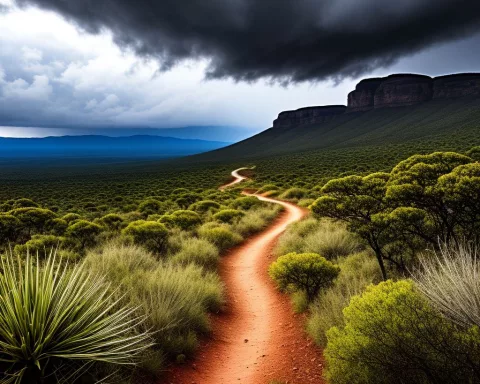
Each morning, the Western Cape stirs beneath ancient peaks, valleys blanketed in shifting mist, and hiking paths etched by generations of wanderers and workers. This landscape, both breathtaking and unforgiving, seduces countless adventurers—from seasoned trekkers to families seeking solitude. Yet, with every invitation to explore, nature holds onto its unpredictability, reminding all who enter of the delicate balance between wonder and danger.
Wilderness Search and Rescue (WSAR) stands as a vital safeguard in this environment. This partnership of volunteers and emergency professionals bridges the gap between recreational joy and the harsh realities that can arise in the wild. The events of the past weekend showcase how WSAR’s role goes far beyond extraction; it is a testament to bravery, quick thinking, and the collective spirit of a community that refuses to leave anyone behind.
Whether it’s a sudden weather shift, a momentary lapse in concentration, or simply being in the wrong place at the wrong time, the wilds of the Western Cape present challenges as old as the landscape itself. The impulse to explore is met equally by the need for help, and it’s within this dynamic that the heartbeat of WSAR can be found.
The Critical Moment: Reaching Out in Time
For those venturing into the wilderness, the moment when plans unravel often arrives without warning. David Nel, who frequently speaks on behalf of WSAR, underscores the importance of contacting rescue services at the earliest sign of trouble. “Time is crucial in any emergency situation,” Nel asserts, highlighting that every minute lost can compound risk and complicate rescue efforts.
The Western Cape offers a single, easy-to-remember emergency number—021 937 0300—that activates a sophisticated network of responders, from ground teams to aerial support. This number is not just a lifeline for those in distress; it is the entry point to a coordinated system that has saved countless lives. When someone calls, experienced volunteers, technological resources, and field-tested strategies come together with impressive speed.
Despite these resources, Nel notes that many hesitate before seeking help, often out of concern for potential costs. In truth, the Western Cape’s approach to wilderness rescue is rooted in the values of compassion and service. There is no charge for rescue operations—a tradition that echoes the volunteer ethos seen in rescue communities worldwide. The cost is borne not by the individual, but shared by all, as an investment in collective safety.
Rescues in Action: Lessons from a Weekend
Groot Winterhoek: Weathering the Unexpected
On Saturday morning, cold air and uncertain skies set the stage for the first call. Three hikers, expected back from their trek through the Groot Winterhoek Wilderness Area, failed to return as planned. Their journey had taken them through valleys graced by ancient San rock art and over ridges watched by curious baboons. But as the weather turned, rising streams and slick rocks blocked their way out.
Concerned family members, unable to reach the hikers, contacted WSAR. Rescue teams prepared for deployment, weighing the urgency against the possibility that the group might have found shelter. Their caution paid off: the hikers soon made contact, having retreated to safety and waited out the worst conditions. The episode ended without injury, thanks largely to the hikers’ good judgment and their family’s swift action—proof that communication and preparation remain essential tools in any outdoor adventure.
Lion’s Head: Community Steps Up
Later that day, trouble struck on the iconic slopes of Lion’s Head. A 52-year-old hiker slipped while descending, her leg injury quickly turning a leisurely outing into a crisis. Here, the value of community education became clear. Members of the Bellville Voetslaanklub, just trained in WSAR’s emergency protocols, immediately called for help and provided support until professionals arrived.
The response unfolded with precision. Rescuers coordinated by WSAR reached the scene quickly, supported by a helicopter and paramedics. Their efforts, shaped by years of training and the latest in rescue technology, ensured the injured hiker reached medical care without delay. The episode demonstrated how public awareness and readiness to help can make the difference between tragedy and successful rescue.
Kirstenbosch: Strength in Serenity
Sunday brought another challenge, this time in the tranquil setting of Kirstenbosch National Botanical Garden. A 73-year-old hiker, exploring the Contour Path, took a fall. Despite her age, she had not allowed her spirit of adventure to fade—a reminder that the wild’s appeal knows no boundaries. Paramedics responded without hesitation, stabilizing her injuries and ushering her to safety while reassuring both her and concerned onlookers.
The incident highlighted the dual demands placed on rescuers: technical skill and compassionate care. In these moments, the ability to offer comfort is as important as medical intervention, especially when dealing with vulnerable or shaken individuals. By midday, the garden had returned to calm, and the hiker was on her way to recovery.
Hottentots Holland: Guided Home
As darkness settled on Sunday, a group of four hikers in the Hottentots Holland Nature Reserve found themselves lost on a neglected trail. Ranging in age from 19 to 29, they pressed on through confusing terrain until the onset of night forced them to seek help. The following morning, their call reached WSAR, setting into motion a coordinated search.
Rangers, blending old-fashioned tracking skills with modern technology, located the group and guided them to the Nuweberg Forestry Station. All four emerged unscathed, if a little humbled by the experience. Their story echoes many before: even with the best equipment, the wild’s complexity can surprise anyone. But with help just a call away, no one remains truly alone.
Building a Culture of Preparedness and Support
Behind every rescue story lies relentless training and the embrace of new technology. WSAR’s volunteer corps draws from a rich tapestry of skills—paramedics, climbers, navigators, and more—each bringing unique expertise to the table. Their commitment echoes the pioneers of mountain rescue, blending discipline, resourcefulness, and creativity.
Innovations such as digital mapping, satellite phones, and advanced medical kits allow teams to reach those in need faster and more effectively. The helicopter, now a familiar sight above Cape Town’s peaks, revolutionizes response times, turning hours into moments and giving hope where little existed before. Yet, the human element remains at the core: adaptability, judgment, and a willingness to act under pressure.
Public involvement forms the backbone of this system. Training clubs, public presentations, and educational outreach empower ordinary citizens to act as the first link in the rescue chain. When bystanders know how to respond—whether by dialing the right number or offering basic first aid—they become silent partners in every successful mission.
The Enduring Spirit of Rescue
Gratitude flows through every account of rescue—between those saved, their families, and the teams who answer the call. David Nel and his colleagues express deep appreciation for the volunteers who weather storms, forgo comfort, and remain on standby for strangers. But the public’s role is equally vital. Timely calls, clear information, and a culture that values preparedness form the foundation of every successful intervention.
The Western Cape’s wilderness rescue operations reflect a living tradition, binding people to each other and to the land. Each rescue is a chapter in an ongoing narrative: a dialogue between risk and trust, solitude and solidarity. As long as the mountains beckon and curiosity propels adventurers onward, WSAR and its partners will stand ready, ensuring that the pursuit of adventure need not come at the cost of safety—or hope.
FAQ: Wilderness Search and Rescue (WSAR) in the Western Cape
What is Wilderness Search and Rescue (WSAR) and how does it operate in the Western Cape?
Wilderness Search and Rescue (WSAR) is a volunteer-driven emergency service dedicated to rescuing hikers and adventurers in distress within the Western Cape’s wild mountainous and forested areas. WSAR operates through a coordinated network of trained volunteers, emergency professionals, and modern technology such as digital mapping, satellite communication, and helicopter support. Calls for assistance are made via a single emergency number: 021 937 0300. Operations are fast, free of charge, and aimed at saving lives through teamwork, preparedness, and compassion.
When should I call WSAR if I encounter trouble while hiking or adventuring?
You should call WSAR at the earliest sign of trouble—whether it is getting lost, injured, or facing sudden bad weather. Time is critical in emergencies, and early notification allows WSAR to deploy resources quickly, increasing the chances of a safe rescue. Do not hesitate to call 021 937 0300; there is no cost associated with rescue services, and prompt communication is essential.
What types of emergencies does WSAR typically respond to?
WSAR responds to a variety of emergencies including lost hikers, injuries (such as slips and falls), sudden adverse weather conditions, and situations where groups are stranded or unable to find their way. Recent examples include rescuing hikers trapped by rising streams, assisting injured individuals with paramedics and helicopter evacuation, and guiding lost groups back to safety.
How is WSAR staffed and equipped to handle rescues?
WSAR is made up entirely of trained volunteers from diverse backgrounds, including paramedics, climbers, navigators, and outdoor enthusiasts. They undergo ongoing training and utilize advanced equipment such as satellite phones, digital mapping tools, first aid kits, and helicopters for rapid evacuation. This combination of skill, technology, and dedication enables them to operate effectively even in challenging terrain and conditions.
Can anyone get involved or support WSAR’s mission?
Yes! Public involvement is vital to WSAR’s success. Many local hiking clubs and community groups participate in WSAR training sessions and emergency protocol workshops. Ordinary citizens can help by learning basic first aid, understanding how to react during rescue situations, and spreading awareness of the emergency number. Volunteering opportunities exist for those interested in joining the rescue teams or supporting operations.
Is there a cost for rescue operations provided by WSAR?
No, WSAR’s rescue services are provided completely free of charge. The costs are covered collectively by the community and partner organizations as an investment in safety and solidarity. This approach is in line with worldwide rescue volunteer ethos, ensuring that no person hesitates to request help out of fear of financial burden.
If you plan to explore the Western Cape’s wilderness, always prepare adequately, share your plans with someone reliable, carry essential gear, and remember that WSAR is ready to assist you—simply call 021 937 0300 in an emergency.