Braedon Powell, South Africa’s youngest Mountbatten Medal winner, bravely saved swimmers caught in fierce ocean waves, showing amazing skill and heart. At just 15, he jumped into wild surf to rescue a struggling man, proving how training and courage can save lives. His story shines a bright light on the power of young heroes and the strong teamwork behind surf lifesaving. Powell’s actions remind us all that even in danger, bravery and care can create hope and safety along the shore.
What is Braedon Powell’s lifesaving legacy and why is it significant?
Braedon Powell, South Africa’s youngest Mountbatten Medal recipient, saved multiple swimmers from dangerous surf using skill and courage. His actions highlight the vital role of youth bravery, teamwork, and training in modern surf lifesaving, inspiring community safety and honoring a rich lifesaving tradition.
A Defining Moment on a Rugged Shore
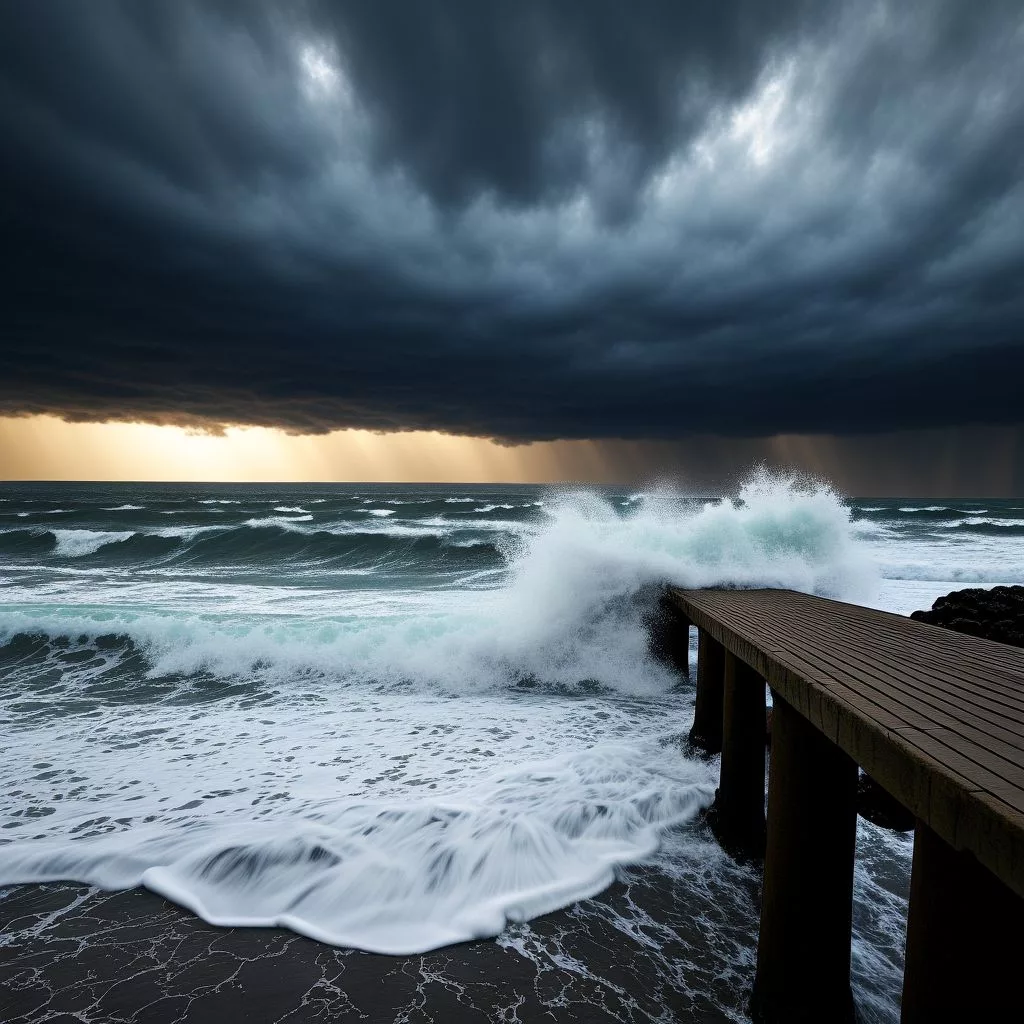
Few experiences test the courage and character of young people quite like the unexpected call to rescue someone in peril. For 15-year-old Braedon Powell, a dedicated member of the Fish Hoek Surf Lifesaving Club, that moment arrived abruptly on a windswept March day at Whalebone Pier in uMhlanga Rocks. The setting resembled a dramatic seascape: turbulent waves churned by fierce winds, salt spray suspended in the air, and the deafening roar of breaking surf. The beach lay closed, red warning flags flickering, but it was here that Powell would etch his name into South African lifesaving history, becoming the nation’s youngest recipient of the Royal Lifesaving Society’s prestigious Mountbatten Medal for Bravery.
The Mountbatten Medal, named in honor of Lord Louis Mountbatten, carries a rich tradition reminiscent of historic acts of maritime heroism. It serves as a badge of honor reserved for those who have displayed exceptional courage in the face of danger. Few South Africans have earned this distinction, and Powell’s inclusion in this elite group underscores both his individual valor and the ongoing evolution of lifesaving as both craft and calling.
That fateful day, Powell arrived in Durban with his family to participate in the Lifesaving South Africa DHL National Championships. The beach buzzed with anticipation and celebration as lifeguards, officials, and supporters gathered for the annual showcase of skill and teamwork. Yet, the ocean remained an indifferent force, unmoved by human festivity. Amid the excitement, Powell spotted a lone figure – an adult man – struggling helplessly in the grip of a powerful backwash. Although authorities had closed the beaches, a single National Sea Rescue Institute torpedo buoy rested nearby, offering a slender thread of hope.
Training Meets Instinct: The Anatomy of a Rescue
Without hesitation, Powell seized the buoy and leapt over the cold steel railings of the pier, plunging into the chaotic waters below. This act demanded both physical agility and immense resolve. Powell’s quick decision to enter the dangerous surf reveals the deep intuition that separates seasoned lifesavers from the merely trained. Lifesaving transcends routine drills and checklists; it requires a union of technical mastery and moral determination, echoing the principle that form and function are inseparable.
The rescue unfolded with a mix of urgency and clarity that often defines moments of real crisis. Powell reached the distressed swimmer and secured him to the buoy, then began the arduous journey back toward safety. Every stroke required him to battle both the punishing current and rising fatigue. The steep, rocky terrain of uMhlanga’s coastline posed an additional challenge, demanding all of Powell’s strength and focus. As they drew nearer to shore, five bystanders rushed to help, working together to haul the exhausted man up the incline. Powell himself sustained minor injuries, battered by the relentless surf, but ultimately succeeded in bringing both himself and the swimmer to safety. The successful outcome, later highlighted in the award citation, stands as a testament to Powell’s tenacity and training.
This was not Powell’s inaugural encounter with danger. Earlier in 2020, he had performed another impressive rescue at Fish Hoek Beach, where he responded to a young swimmer swept away by a rip current. Armed only with his board and a calm sense of purpose, Powell navigated treacherous currents and earned praise from the Fish Hoek lifesaving committee. In retrospect, this earlier incident foreshadowed his later accomplishment, revealing a pattern of composure, skill, and readiness under pressure.
Tradition, Teamwork, and the Growth of a Lifesaver
Stories like Powell’s illuminate the deeper currents that run through the world of lifesaving – currents shaped by generations of shared knowledge and communal effort. The modern surf lifesaving movement traces its lineage back to early 20th-century Australia and has always balanced rugged individualism with the cooperative spirit of teamwork. The symbols of the craft – red and yellow caps, torpedo buoys, and piercing whistles – form a visual vocabulary as iconic as any in contemporary culture. Each rescue, whether captured on video or recounted in clubhouse lore, contributes another layer to this living heritage.
Powell’s journey also prompts reflection on the nature of youthful bravery. Writers like Wordsworth once celebrated the power of transformative experiences in adolescence, often set against sublime natural backdrops. For Powell, the sublime emerged not in quiet contemplation but in the heart of a turbulent ocean, where action and uncertainty collided. Stepping into peril on behalf of another required both self-control and a willingness to risk everything – a rare quality in any age, and all the more remarkable in someone so young.
The governing body, Lifesaving South Africa, bears the responsibility of honoring not just the headline-making acts of heroism, but also the quieter, everyday vigilance of its members. Stanford Slabbert, who oversees the Bravery Awards committee, noted that for the 2024–2025 review period, the committee considered 14 significant rescues and ultimately recognized 19 individuals for their exceptional service. Each story was unique, yet all shared a common thread of altruism. Powell’s recognition among these honorees not only marks a personal milestone but also reaffirms the strength and vitality of South Africa’s lifesaving community.
Evolving Traditions and the Everyday Hero
South African lifesaving abounds with tales of courage and adaptation. Veterans recount dramatic mass rescues at Muizenberg in the 1930s or the pulse-quickening patrols at Clifton during the festive season. Over the decades, advances in technology and training have transformed the discipline. Where lifesavers once relied on canvas reels and heavy wooden boards, today’s athletes combine new research in oceanography, physiology, and psychology with the hard-won wisdom of their predecessors. Powell’s rapid, effective response reflects this blend of tradition and innovation – a hallmark of the modern lifesaver.
Clubs like Fish Hoek play a crucial role in shaping not just the athletic abilities, but the characters of their members. Junior lifesavers absorb lessons from senior members, picking up both technical skills and the unwritten rules of the sea. Shared challenges – whether in the predawn chill of training sessions, during stormy weekend patrols, or in the satisfaction of a well-executed rescue – build bonds of camaraderie and trust. Powell’s ascent through these ranks to receive the Mountbatten Medal is as much a tribute to his community as to his personal resolve.
The impact of a lifesaver extends beyond spectacular rescues. Countless smaller acts – guiding nervous swimmers, shielding children from rip currents, or providing first aid for jellyfish stings – form an invisible but essential web of safety along the coast. This philosophy echoes the ideals of Renaissance humanism, which emphasized service to others not for fame or reward, but out of a profound respect for shared humanity.
The Ripple Effect of Youthful Bravery
Powell’s actions stand as a powerful example of the positive impact that young people can have in their communities. In a time when societies grapple with questions about youth engagement and civic responsibility, stories like his serve as vital reminders of the potential that lies within every generation. The Victorian ethos of “muscular Christianity” – which prized both physical strength and moral character – sought to cultivate young citizens capable of meeting adversity with both courage and compassion. While today’s lifesaving clubs are more inclusive and secular, they still foster these values, encouraging members to see themselves as guardians of safety and unity.
The relationship between humanity and the sea has long inspired artists, from the tumultuous waves of Hokusai to the dramatic seascapes of the Impressionists. Lifesavers, standing at the boundary between chaos and order, become part of this artistic continuum – embodying both tradition and innovation in their daily work. Each rescue, each training session, and each story shared in a clubhouse or on social media adds new dimensions to this evolving tapestry.
In today’s connected world, news of bravery spreads quickly across digital platforms. Powell’s award gained rapid recognition, with messages of congratulations echoing through social media and messaging apps. Yet, while technology amplifies the reach of such stories, the essence remains unchanged: the willingness to step forward in a moment of crisis, to turn fear into purposeful action, and to make a difference when it matters most. Every medal, every rescue, and every anecdote weaves into a tradition that continues to inspire and protect, reaching across generations and borders.
Braedon Powell’s legacy, shaped by courage, community, and the relentless power of the sea, stands as a beacon for the lifesaving movement and a call to service for us all.
What is Braedon Powell’s lifesaving legacy and why is it significant?
Braedon Powell, South Africa’s youngest recipient of the prestigious Mountbatten Medal, is celebrated for his courageous rescues of swimmers caught in dangerous ocean conditions. His legacy highlights the crucial role of youth bravery, rigorous training, and teamwork in surf lifesaving. By saving multiple lives at just 15, he has inspired communities and honored South Africa’s rich tradition of lifesaving, proving that skill combined with heart can create hope and safety along the shore.
What is the Mountbatten Medal and why was Powell awarded it?
The Mountbatten Medal, named after Lord Louis Mountbatten, is a distinguished award recognizing exceptional courage in maritime rescue. It honors those who perform heroic lifesaving acts, often in dangerous conditions. Braedon Powell received this medal for his daring rescue at uMhlanga Rocks, where he risked his own safety by diving into fierce surf to save a struggling swimmer, demonstrating both technical skill and remarkable bravery.
How did Braedon Powell’s rescue at uMhlanga Rocks unfold?
On a stormy day at uMhlanga Rocks, despite the beach being officially closed due to hazardous surf, 15-year-old Powell noticed a man caught in a strong backwash near a National Sea Rescue Institute torpedo buoy. Without hesitation, Powell grabbed the buoy, dove from the pier into turbulent waters, secured the swimmer to the buoy, and fought the powerful currents to bring him back to shore. The rescue required physical endurance, sharp instincts, and teamwork, as bystanders helped pull the exhausted man to safety.
How does Braedon Powell’s story reflect the values and history of surf lifesaving?
Powell’s story embodies the long-standing tradition of surf lifesaving, which blends rugged individual courage with strong community teamwork. Originating in early 20th-century Australia and evolving worldwide, surf lifesaving emphasizes preparedness, skill, and altruism. Powell’s actions highlight how modern lifesavers combine traditional equipment and methods with contemporary training and technology, while also illustrating the vital role of young people in continuing this legacy of service and protection.
What role do clubs like Fish Hoek Surf Lifesaving Club play in training young lifesavers?
Clubs such as Fish Hoek provide essential training and mentorship for young lifesavers, instilling not only technical skills like swimming, rescue techniques, and first aid, but also the values of discipline, teamwork, and courage. These clubs create supportive environments where juniors learn from experienced members, face real challenges in controlled settings, and develop the character needed to perform under pressure – qualities exemplified by Braedon Powell’s ascent through the ranks.
How does Braedon Powell’s bravery impact the wider community and youth?
Powell’s bravery serves as a powerful example of how young people can positively influence their communities by embracing responsibility, courage, and compassion. His story encourages youth engagement in civic duties and highlights the importance of training and readiness. In a modern context, lifesaving clubs promote inclusivity and resilience, fostering young guardians of public safety who carry forward ideals of service and humanity, inspiring others to act selflessly in moments of crisis.