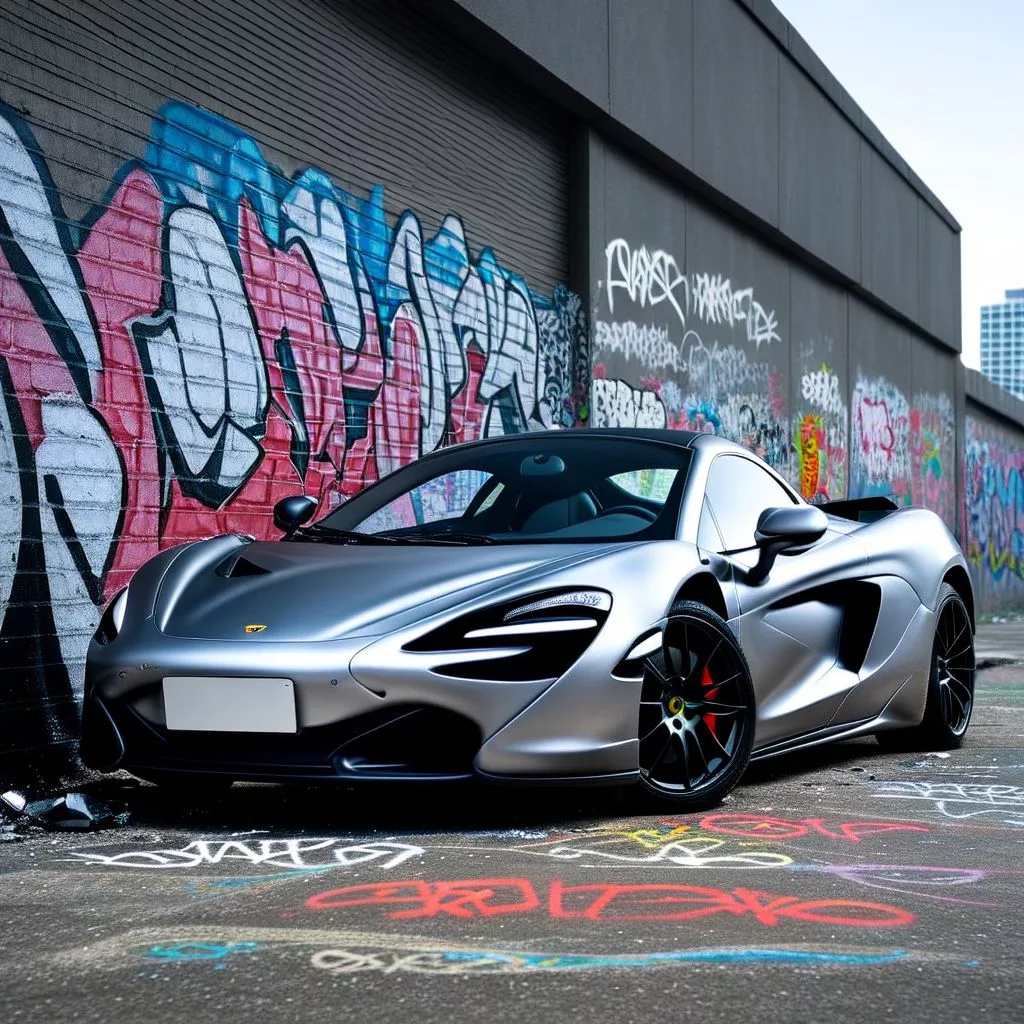
In March, Cape Town’s famous musician 3GAR crashed his expensive McLaren on a busy road, caught on clear CCTV, but no charges followed. This silence from the police sparked anger and debate about whether celebrities get special treatment. While 3GAR shared his recovery online, many worried that justice was being delayed because of his fame. The crash became a symbol of bigger problems—how fame, power, and law in Cape Town struggle to balance fairness and accountability.
What happened in the 3GAR McLaren crash on Cape Town’s Atlantic Seaboard?
In March, 3GAR (Prince Daniel Obioma) crashed his R3 million McLaren on Sea Point’s High Level Road. Despite clear CCTV footage, no charges were filed, sparking public outcry over police inaction and raising concerns about celebrity privilege and justice accountability in Cape Town.
A Supercar Crash That Captivated a City
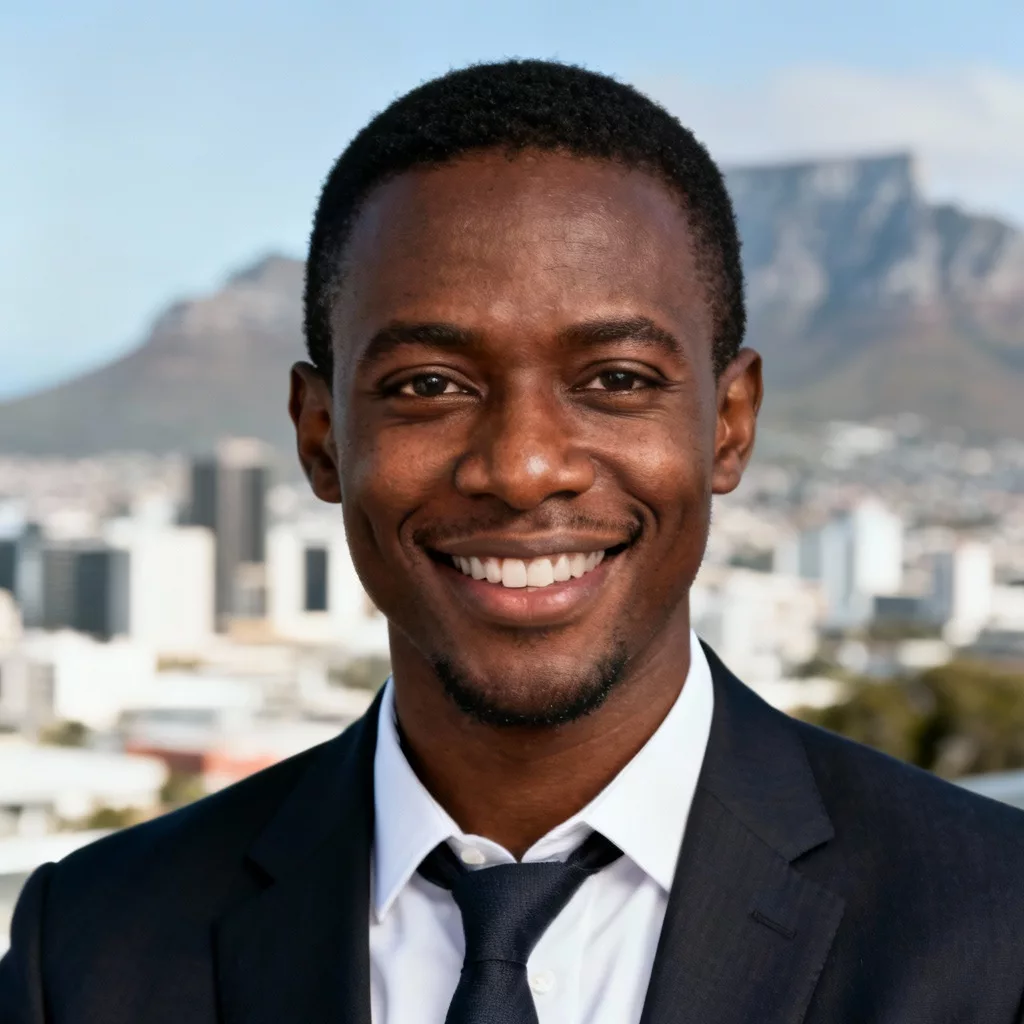
The first autumn rains had yet to cleanse the evidence of Prince Daniel Obioma’s high-speed joyride along Sea Point’s High Level Road. In the heart of Cape Town’s affluent Atlantic Seaboard, locals have grown accustomed to glamour and drama, but few moments have seized the city’s imagination like the crash of a R3 million McLaren. The spectacle became even more magnetic given the man behind the wheel: Prince Daniel Obioma, better known by his electrifying stage moniker, 3GAR.
3GAR’s identity is a fusion of bold self-presentation and futuristic swagger. As both a chart-topping musician and cultural icon, he has fashioned his public persona around images of luxury—his Instagram bursts with imported cars, designer backdrops, and a lifestyle that both enthralls and provokes. Yet, this particular March afternoon marked a departure from curated images to a raw moment of real-world drama: a McLaren hurtling down a city road, losing control, and crashing into a wall.
Eyewitnesses recall the chaotic sequence—a gleaming flash of metal, the cacophony of impact, then an abrupt hush overtaken by the distant wail of emergency vehicles. Security cameras documented the incident with clinical precision, transforming a split-second event into a saga that would echo for months. The aftermath revealed that 3GAR survived, recuperated in hospital, and seamlessly traded his demolished supercar for an opulent SUV. His return to social media felt almost surreal, with no sign of remorse or retreat.
Public Outcry and Official Inaction
Following the spectacle, many expected swift action from authorities. Instead, the absence of legal consequences became a scandal in its own right. Nicholas Gotsell, a member of the Democratic Alliance’s Select Committee for Security and Justice, became the voice of a frustrated public. On Facebook, he bluntly questioned why, despite clear CCTV footage and the driver’s celebrity status, the South African Police Service had failed to press charges after more than sixty days.
Gotsell’s post struck a chord with a population all too familiar with high-profile impunity. He accused the SAPS of stalling when influential figures are involved, suggesting a troubling trend where justice slows or halts for the wealthy and famous. Provincial Police Commissioner Lieutenant General Patekile responded with vague assurances, refusing to specify when the investigation would conclude. This bureaucratic evasiveness only deepened public doubt and perceptions of preferential treatment.
As Gotsell’s words—“The silence from SAPS is deafening”—spread through social media and everyday conversations, pressure mounted for accountability. He announced plans to escalate his concerns to Ian Cameron, Chairperson of the Portfolio Committee on Police, reflecting growing impatience among both officials and the wider community. In a nation still grappling with systemic inequality, any hint that privilege might shield someone from the consequences of reckless actions stirs deep public anxiety.
Media, Celebrity, and the Shape of Modern Victimhood
While the questions of legal process simmered, another narrative unfolded in the court of public opinion. Rather than shrinking from controversy, 3GAR demonstrated a masterful command of image and attention. He recast himself as a survivor, highlighting recovery and resilience on his social media platforms. The shift from supercar to luxury SUV became symbolic—a transformation from reckless risk-taker to someone who had endured and emerged stronger.
This approach resonated with a generation steeped in self-reinvention and social media storytelling. Admirers flocked to his feed, inspired by the narrative of overcoming adversity. The phenomenon is neither new nor unique: for decades, celebrities have blurred the lines between infamy and admiration. In the digital age, algorithms amplify this effect, enabling public figures to instantly shape perceptions and control their own stories.
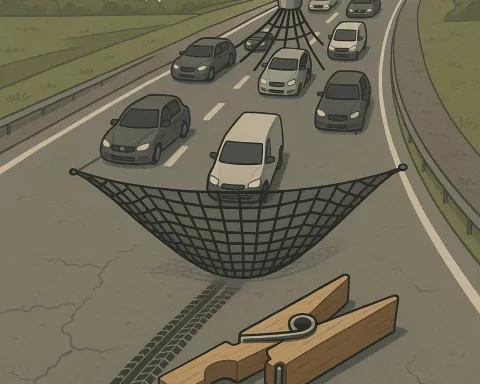
Yet, for all the celebration of survival and tenacity, the reality of dangerous driving remains sobering. South Africa’s roads are notoriously perilous, a fact underscored by annual death tolls from the Road Traffic Management Corporation. Speed and reckless behavior frequently contribute to tragedies, and the McLaren crash—no matter how glamorous—mirrors a much wider issue. The tension between the allure of high-speed luxury and the necessity of public safety represents a challenge that extends beyond celebrity culture.
Justice, Perception, and the Challenge of Accountability
The 3GAR incident is not the only high-profile case casting a shadow over Cape Town’s justice system. Another recent tragedy on Bree Street, involving a prominent individual and a fatality, has likewise stalled in legal limbo. Delays, drawn-out investigations, and attempts to limit media scrutiny all feed a perception that justice becomes flexible when facing power or influence. As Gotsell noted, “Justice in cases like these must be done and be seen to be done”—a principle echoed through centuries of legal tradition, from the Magna Carta to South Africa’s Truth and Reconciliation Commission.
Cape Town’s Sea Point neighborhood, with its Art Deco architecture and palm-lined streets, embodies both privilege and vulnerability. Gleaming high-rises overlook sidewalks worn by daily life, while luxury vehicles share the roads with ordinary commuters. This stark contrast highlights the city’s ongoing struggle to balance reverence for cultural icons with the need to uphold laws that protect everyone.
The silence from law enforcement in the wake of these incidents signals a deeper crisis of trust in institutions. When those tasked with upholding the law appear to hesitate or show partiality, public confidence erodes. The way society frames stories about its celebrities—whether as victims, heroes, or exceptions—shapes broader attitudes toward justice and accountability.
Narrative Power and Societal Reflection
Journalists, activists, and ordinary citizens have long argued that transparency and equality must underpin the justice system. South Africa’s Constitution, forged through years of struggle, promises equal treatment for all. Yet, as cases involving the influential drag on unresolved, the gap between these ideals and lived reality widens. Public dissatisfaction, articulated by figures like Gotsell, emerges as both a symptom of and a remedy for institutional lethargy.
The story of 3GAR’s crash, the official silence that followed, and the evolving public response highlight the power narratives hold in shaping outcomes—not only in the media but also in the legal system and the public imagination. The blend of celebrity, controversy, and institutional inertia becomes a microcosm of larger national debates about fairness, privilege, and responsibility.
In reflecting on these events, it becomes clear that the questions raised extend well beyond one dramatic night on High Level Road. They challenge all South Africans to consider how society defines accountability, how it treats its icons, and what it means to demand justice in both word and deed. The interplay between public fascination, legal procedure, and the enduring human quest for fairness ensures that the story will linger, inviting ongoing scrutiny and debate.
FAQ: Crashing Into the Spotlight — 3GAR, Celebrity, and Accountability in Cape Town
What exactly happened during the 3GAR McLaren crash on Cape Town’s Atlantic Seaboard?
In March, musician 3GAR (Prince Daniel Obioma) crashed his R3 million McLaren on Sea Point’s High Level Road. The incident was captured on CCTV, showing the supercar losing control and hitting a wall. Despite clear video evidence, no charges have been filed against 3GAR, which has sparked widespread public frustration and debate about fairness in law enforcement.
Why has there been no police action or charges against 3GAR despite clear evidence?
More than sixty days after the crash, the South African Police Service (SAPS) has remained silent on pressing charges. Officials have given vague assurances without timelines, raising suspicions of preferential treatment due to 3GAR’s celebrity status. Critics, including Democratic Alliance member Nicholas Gotsell, argue that the case exemplifies a troubling pattern where influential individuals face delayed or absent legal consequences.
How has 3GAR responded publicly after the crash?
Instead of expressing remorse, 3GAR used social media to portray himself as a survivor who overcame adversity. He documented his recovery and flaunted a switch from his wrecked McLaren to an expensive SUV. This narrative of resilience and luxury reinforced his celebrity image, resonating with fans but also fueling criticism about the lack of accountability.
What broader issues does the 3GAR incident highlight about justice and celebrity in Cape Town?
The case symbolizes wider tensions in Cape Town and South Africa regarding how fame and power intersect with the justice system. It raises questions about equality before the law, transparency, and trust in institutions. The pattern of delayed investigations in high-profile cases feeds public distrust and challenges the ideal that justice should be impartial and visible.
How does this incident relate to road safety concerns in South Africa?
South Africa has one of the highest road fatality rates globally, with reckless driving and speeding as major contributors. The 3GAR crash underscores the dangers posed by high-speed luxury vehicles and the need for stricter enforcement of road laws. It also reflects societal challenges balancing luxury lifestyles with public safety imperatives.
What are the public and political reactions to the lack of accountability in this case?
Public outcry has been intense, especially on social media where the silence from SAPS has been dubbed “deafening.” Politicians like Nicholas Gotsell have called for escalated oversight and transparency, pressing authorities to act. The broader conversation touches on systemic inequality, demanding that justice be both done and seen to be done to maintain public confidence.
If you want to learn more about the complexities surrounding celebrity culture, legal accountability, and social justice in Cape Town, feel free to ask!