
Creating the Makhathini Lower Pongola Water User Association: A Joint Endeavor in Northern KZN

1 min read
water management association

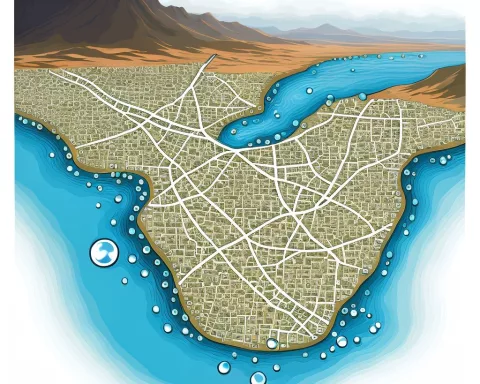
The Makhathini Lower Pongola Water User Association (WUA) is a collective effort to promote efficient water management in the northern KwaZulu-Natal area. The interim management committee started establishing a robust governance structure for the association. The goal is to facilitate the election of the management committee on May 16, 2023, in Jozini.

The Role of Water User Associations

Water User Associations are essential in helping communities consolidate resources such as money, human resources, and expertise to achieve water-related activities. The Makhathini Lower Pongola WUA followed Gazette Notice No. 48514, published by Water and Sanitation Minister Senzo Mchunu, in compliance with the National Water Act of 1998.

Newsletter

Stay Informed • Cape Town

Get breaking news, events, and local stories delivered to your inbox daily. All the news that matters in under 5 minutes.

Join 10,000+ readers
No spam, unsubscribe anytime

Statutory Body

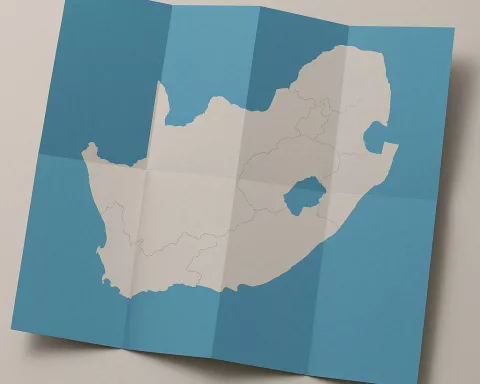
As a statutory body, the WUA represents a cooperative association of individual water users. Their aim is to participate in water-related activities for mutual benefit. The Makhathini Lower Pongola WUA operates in the Jozini and uMhlabuyalingana Local Municipalities under the uMkhanyakude and Pongola Local Municipality in the Zululand District. This includes the Pongola to Mtamvuna Water Management Area located in KZN.

Area of Operation

The area of operation begins from the W44E quaternary catchment in the basin of Pongolapoort Dam, flowing north down the Pongola River catchment to the Mozambique border. It stretches to the eSwatini border in the west and aligns with the 45a and 45b quaternary boundaries on the east, incorporating the quaternaries W43F, W45A,B, and W57K.

Management Committee

The Makhathini Lower Pongola WUA’s management committee will consist of 15 members that represent various user groups in the catchment area. These include commercial and emerging farmers, tourism and recreation, nature conservation, Water Services Authorities (uMkhanyakude and Zululand District Municipalities), and the uMkhanyakude Local House of Traditional Leaders.

All members within the water user groups or sectors detailed in the approved constitution will have the chance to nominate or elect their preferred representatives to the management committee. The Amakhosi representing the Jozini, uMhlabuyalingana, and Pongola Local Municipalities are also invited to participate.

Collaborative Approach

As the Makhathini Lower Pongola WUA is established, the collaboration of its diverse members offers a potential for sustainable water management in the region. By addressing local needs and priorities, the association aims to improve water management for the benefit of all involved. This collaborative approach shows promise in tackling water challenges in the northern KwaZulu-Natal area. With a well-structured governance system and representation from various stakeholder groups, the Makhathini Lower Pongola WUA is poised to make a significant impact on water management in the region.
A Russian-Spanish journalist and Cape Town native, channels his lifelong passion for South Africa into captivating stories for his local blog. With a diverse background and 50 years of rich experiences, Serjio's unique voice resonates with readers seeking to explore Cape Town's vibrant culture. His love for the city shines through in every piece, making Serjio the go-to source for the latest in South African adventures.

Leave a Reply

Your email address will not be published.

Previous Story

Robben Island Revitalization: Safeguarding South Africa’s Heritage for Future Generations

Next Story

Proposed Amendments to Regulations on Spatial Tools and Environmental Management Instruments

Latest from Blog

Forty Metres of Air: The Morning Kiteboarding Rewrote Physics

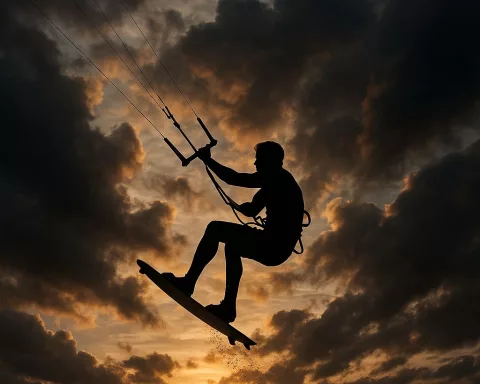
Hugo Wigglesworth, a young kiteboarder, defied gravity and rewrote the record books by soaring an incredible 40 meters into the air. He used powerful winds, a perfectly timed jump off a wave, and special gear to achieve this amazing feat. His careful planning and hundreds of practice runs made him fly higher than anyone before, showing the world what’s possible in kiteboarding.

Airbnb Under Fire: How Cape Town’s Housing Crunch Became a Tourism Blame-Game

Cape Town’s housing woes are NOT really Airbnb’s fault, even though a viral photo tried to blame them! The real problem is that not enough homes are being built, and lots of new people are moving to the city. Getting building permits takes forever, making homes expensive. Airbnb brings in lots of money and jobs, and even if all Airbnbs disappeared, it wouldn’t fix the big housing shortage. The city needs to build more homes and make it easier to do so, not just point fingers at tourists.

Cape Town’s Hottest Tables: Where Summer Tastes Like Salt, Smoke and Midnight Vinyl

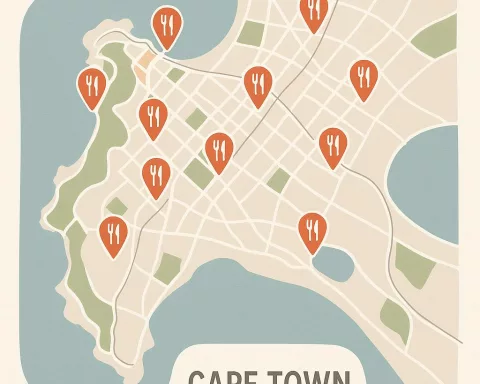
Cape Town’s new restaurants are super exciting, offering amazing tastes from the ocean, farms, and even old recipes. Places like Amura serve unique sea dishes, while Tannin has a huge wine list and tiny plates. Café Sofi bakes heavenly pastries, Beach Buns makes awesome burgers, and Le Bistrot de JAN mixes French and South African flavors. These spots let you taste the city’s lively food scene, from fancy dinners to casual beach eats, making every meal an adventure.

Between Concrete and Current – Four Inland Hearts Meet the Indian Ocean

This article tells a beautiful story of four South Africans from inland places who see the Indian Ocean for the very first time. For many, the sea is just a picture, far away and hard to reach. But when these brave people finally touch the salty water, it changes them deeply. They feel the ocean’s power, taste its salt, and understand that this huge, blue world is now a part of their own story, breaking down old ideas about who can connect with the sea.