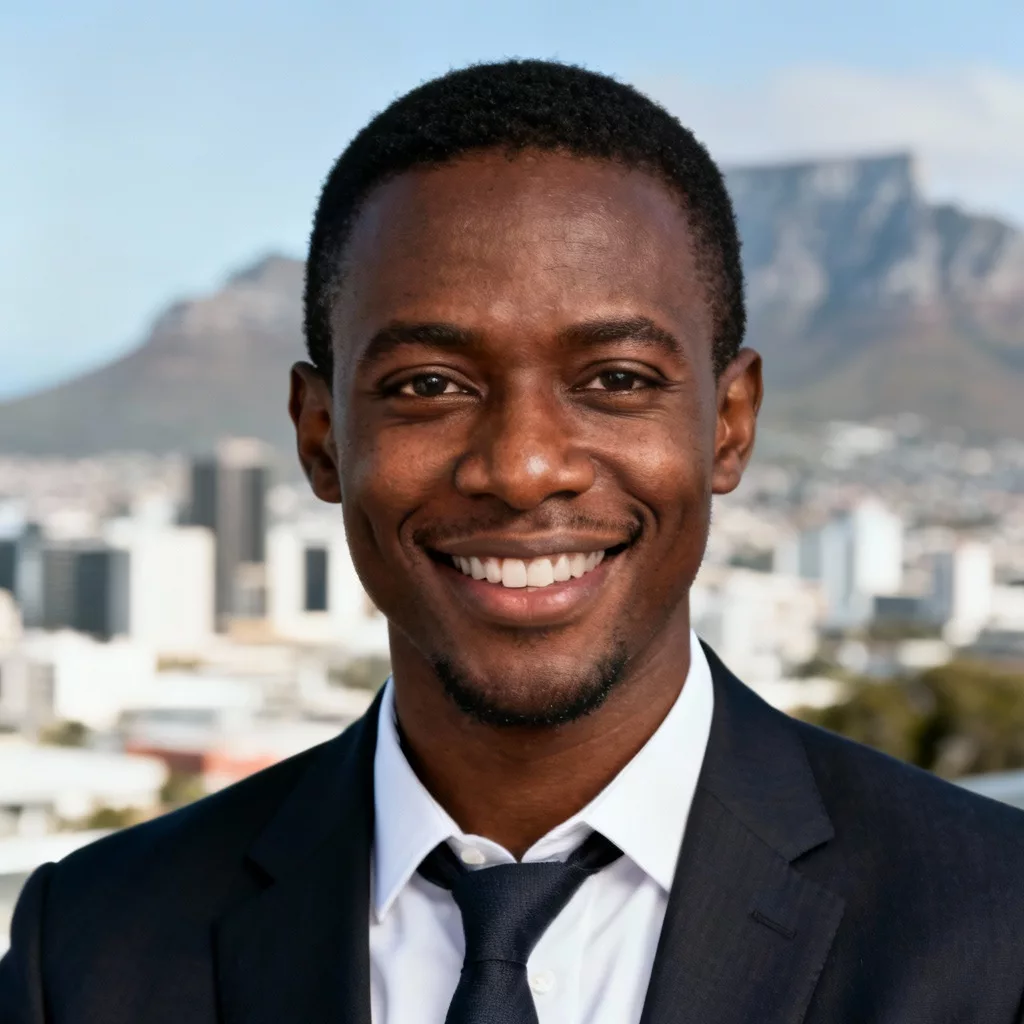
Boy Makutu, Cape Town’s incredible traffic officer, is a true hero who faces danger with a big heart. He’s famous for brave acts, like hanging onto a moving car’s roof, but he also uses kindness to calm angry people. From big arrests to helping kids, Makutu quietly works to make the city safer, always remembering his own tough past and a family hero. He’s a real guardian, making a difference one kind act and brave moment at a time.
Who is Boy Makutu?
Boy Makutu is a dedicated Cape Town traffic officer known for his exceptional courage, empathy, and effectiveness in defusing volatile situations and ensuring road safety. He gained public recognition for his daring interventions, including the “roof-rack rodeo,” and is celebrated for his commitment to community service.
First Light on the Parade
Cape Town’s traffic tower is still a dark silhouette when the first glow leaks across the horizon. Boy Makutu is already circling the Parade, trainers slapping the paving in a silent cadence. Reflective strips on his sleeves flash like tiny lightning bolts as he rehearses the day’s chessboard: which junctions gum up when the southeaster bullies the city, which taxi routes will splinter if a breakdown hugs the M5’s left shoulder. At 05:20 he trades sneakers for scarred boots and steps into the locker room, the same boots that once clung to the roof-rack of a fleeing Quantum while onlookers filmed forty-three chaotic seconds that later ricocheted around the globe.
The clip never shows the hour prior: Makutu tailing the Toyota as it snaked recklessly along the N2, nor the twenty minutes after, when handcuffs clicked shut and an eight-year-old passenger worried her uniform was ruined. “Only heroes collect dirt,” he told her, wiping grime from the glittery unicorns on her satchel. The meme-makers care about the airborne cap; he remembers the tremor in the child’s voice.
Figures plastered on the Bellport depot whiteboard read like thriller fiction – twenty-nine collars in thirteen months, two interventions that broke the internet, not one shift lost to sick leave – yet they are written in erasable ink that smells of methylated spirits. Between autumn 2023 and spring 2024 he patrolled 1,864 kilometres on foot, issued 1,207 citations, and stepped into the witness box forty-four times. More impressive is the column titled “cooled down”: 312 volatile confrontations – road-rage duels, lovers’ quarrels spilling into traffic, taxi-association flare-ups – defused without baton or Taser. Colleague Mona Solomons grins: “He’s got an internal thermostat; while we’re boiling, he’s already simmering the pot.”
Rooftop Rodeos and Rehab Referrals
Academy recruits now study the N1 drunk-driving takedown like a movie scene. Dash-cam captures a white Polo slicing across solid lines at 02:37, its aluminium rim kissing the median so hard the hubcap cartwheels away. Makutu glides alongside in an unmarked EcoSport, flicks on concealed blues, and spends 4.2 kilometres coaxing the swaying hatchback toward the shoulder. When the driver finally stops, he lunges with a jagged spark-plug shard. Body-cam audio picks up the officer’s baritone slicing through truck noise: “Nkosi, look at me – you’re frightened, not furious. Let’s keep hospital bills off tonight’s tab.” The shard drops, a clink swallowed by diesel thunder. A blood-alcohol reading of 0.31 – almost quadruple the limit – follows. In his report Makutu notes the suspect wept at the softness of the medical clipboard, claiming he hadn’t touched paper that gentle since primary school. That empathetic line nudged the man into a guilty plea and, for the third time, voluntary rehab.
The July “roof-rack rodeo” did more than spawn Spider-Man burrito memes; it shoved a dormant by-law into action. Within weeks the province authorised traffic officers to impound vehicles whose drivers bolt from lawful stops – draft legislation that had gathered dust for three years. Alderman JP Smith called the footage “a crash-course in millisecond valour,” adding that lawmakers write statutes in chilled chambers precisely so people like Makutu can grip white-hot moments on asphalt.
Yet accolades make Makutu twitch. He grew up in Kraaifontein’s Scottsdene flats where night patrols were stitched together by neighbours too broke for private security. Dad welded broken vending trolleys at the taxi rank; Mum ran a Saturday soup kettle that rarely owned enough bones for flavour. “The first uniform I ever touched was my cousin’s auxiliary vest,” he says. “It reeked of paraffin and sweat, yet it made him look like someone heaven would heed.” That cousin, Christopher “Grootman” Makutu, died in 2009 shielding a schoolgirl from gang crossfire. The blood-flecked vest now hangs framed above Boy’s mirror; each sunrise he taps the glass – once for fortune, once for remembrance – before heading into streets that will test him anew.
The Ledger Behind the Limelight
Behind every headline tally lies a supply chain as brittle as it is vital. Once Makutu clicks cuffs, a fifteen-minute countdown starts to confirm a precinct has cell space; if not, he reroutes across districts while evidence remains pristine. Breathalyser mouthpieces, blood kits, latex gloves – each item carries a barcode and a weekly audit date. Body-cam footage zips to a Johannesburg cloud, but only after he links it to a docket number generated by a heat-fussy dashboard tablet. One August afternoon the system froze mid-arrest; he hand-wrote evidence labels, sealed bags with chewing gum, then spent four post-shift hours re-entering data so a drunk-driver case wouldn’t implode on a technical sneeze. “Tech is both ladder and leash,” he laughs. “One rung lifts you, next loop throttles you.”
The December 18 gala at the CTICC blended Oscar glitz with parade-ground discipline. Toddlers waddled in oversized junior-police caps; Scottsdene neighbours pooled taxi fare and erupted when Makutu’s name rang out. He strode to the rostrum in mirror-gloss shoes, delivered forty-one seconds of gratitude – “I’m salaried to keep asphalt safe; anything extra accrues to dispatchers, clerks, and prayers that send me home” – then yielded the mic to applause that refused to fade.
Earlier the same stage honoured six quieter chronicles of grit. Ashwin Maxim camped seventy-two hours on the blizzard-choked Ouberg Pass after June’s freak snowfall, shepherding helicopter drops to stranded drivers. Kim van Zyl, firefighter and puppeteer, engineered a smoke-detector syllabus starring handmade iguanas that has already reached 14,000 foundation-phase kids. Rene Mostert fielded 1,936 emergency calls on New Year’s Eve alone, her headset patched with masking tape after procurement delays left new stock rotting in Durban’s port backlog. Cassidy Bock, Metro shift commander, rapped Afrikaans lyrics back to a Bellville gunman for four hours, ending in surrender and a playlist request. Deon Philander quietly paid school fees for three juveniles caught pinching stationery, then convinced mall executives to seed a bursary pool now worth R1.3 million.
Metro Police carried Department of the Year by demonstrating body-cam networks that trimmed missing-child searches from forty-two hours to nine. Privacy advocates bristle; auditors point to a 96 percent drop in internal-conduct complaints. The silver trophy, engraved “Sivonda Nobuntu,” will tour stations like a relay baton no crew wishes to drop.
Community Hall Coffee and Christmas Eve Tyres
Two nights later the Ottery community hall buzzed with cheaper coffee and dearer purpose. Fluorescent lights hummed like trapped mosquitoes; biscuits carried the optimistic label “Assorted Temptations.” Grant Adams, a 62-year-old retired fitter who clocked 765 volunteer hours between chemo sessions, received a varnish-sticky plaque and told the crowd, “Patrols leave no room for panic.” Gerhard Engelbrecht, Volunteer Officer of the Year, covers 61 monthly hours on dirt roads that gulp cell signal and occasionally his tyres; his bakkie hauls two spares, a welding kit, and a Bible whose earmarked Psalms match crises – 23 for fatalities, 91 for domestic calls, 27 for suspected poacher nights. Between certificates the MC tallied 4,833 auxiliary hours, 247 school crossings, 19 reunited seniors, three roadside births. A southeaster barged in, scenting the hall with fynbos and braai smoke – an untamed reminder that the job never truly clocks out.
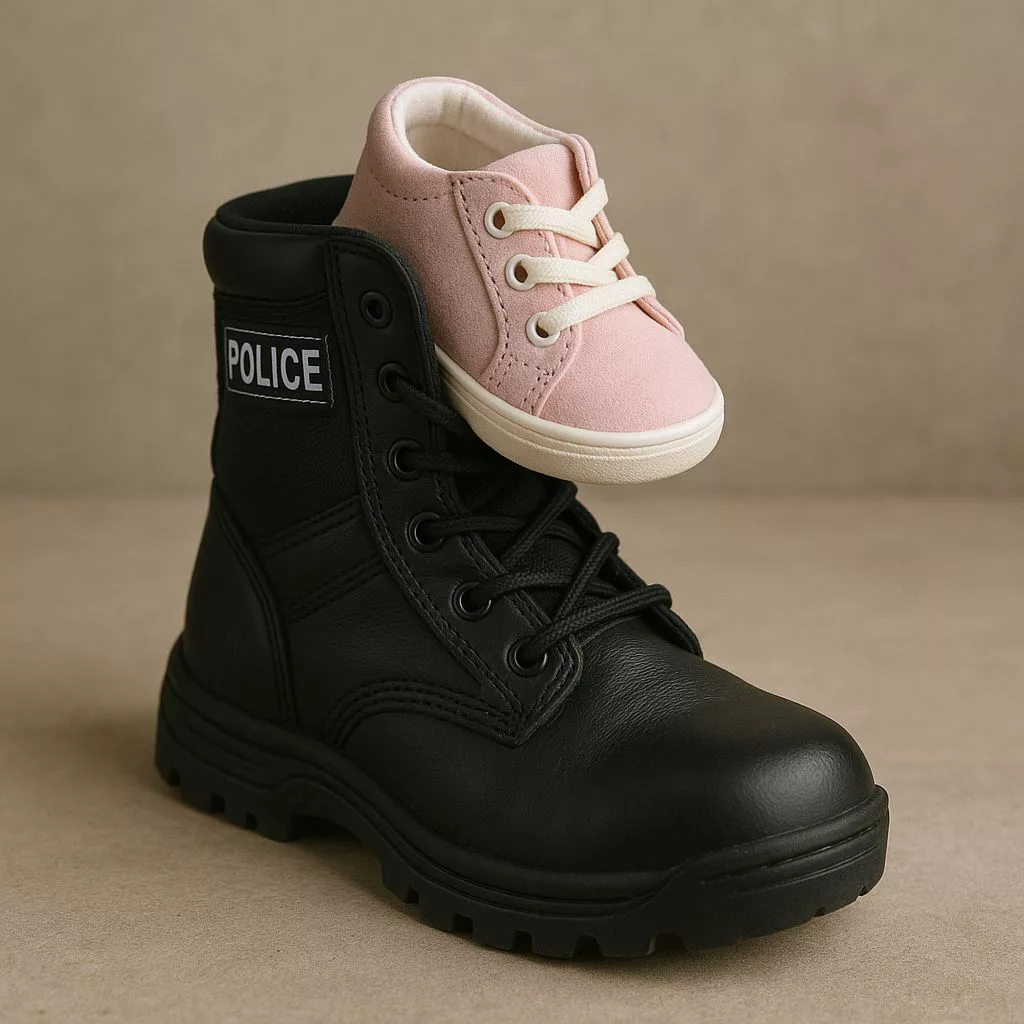
On December 23 Makutu eases a courier van onto the N1 shoulder; its rear tyre unravels like gift ribbon. While the driver frets about missed deliveries, the officer jacks the vehicle, palms blackening with brake dust. A passer-by slows to film; Makutu waves him off – no fanfare, no viral clip. Once the van limps away, he rinses his hands with bottled water and lemon-scented wipes, logs a toddler’s pink shoe in the lost-property app, pockets it for the nearest station. Somewhere a parent will cry, or sigh, or never know why the tiny sneaker vanished.
Tomorrow’s roster waits: 05:00 briefing, 06:00 roadblock on Jakes Gerwel, 14:00 court testimony, 16:00 school talk on pedestrian safety. Fresh scuffs will land on familiar boots, new files will queue on a temperamental server, and whiteboard ink will march across columns. In Kraaifontein dawn will brush the framed reflective vest above a bedroom mirror; two taps on the glass – one for luck, one for memory – will send another quiet man onto streets that always demand both caution and courage.
Who is Boy Makutu?
Boy Makutu is a highly dedicated and courageous traffic officer in Cape Town, known for his exceptional bravery, empathy, and ability to defuse tense situations. He is celebrated for his commitment to public safety and community service, including widely publicized actions like the ‘roof-rack rodeo’ incident.
What are some of Makutu’s notable achievements?
Makutu is known for several brave acts, including clinging to the roof-rack of a moving car to apprehend a suspect and expertly de-escalating dangerous confrontations. He has made 29 arrests in 13 months, patrolled over 1,864 kilometres on foot, issued 1,207 citations, and defused 312 volatile situations without resorting to force, earning him recognition for his unique approach to law enforcement.
How does Boy Makutu use empathy in his work?
Makutu frequently uses kindness and empathy to calm angry or distressed individuals. An example includes his interaction with a drunk driver, where he spoke to the suspect with understanding, leading to a voluntary plea and referral to rehab. He also comforted a young child after a traumatic incident, demonstrating his compassionate approach.
What motivated Makutu to become a traffic officer?
Makutu was inspired by his cousin, Christopher “Grootman” Makutu, who was an auxiliary police officer and tragically died shielding a schoolgirl from gang crossfire. His cousin’s uniform, which “reeked of paraffin and sweat, yet made him look like someone heaven would heed,” influenced Boy’s decision to pursue a career in law enforcement, aiming to make a similar positive impact.
What challenges does Makutu face in his daily duties?
Makutu deals with a variety of challenges, including the physical demands of patrolling, the emotional toll of defusing volatile situations, and logistical hurdles like ensuring proper evidence handling and data entry with sometimes temperamental technology. Despite these, he consistently maintains a high level of performance and dedication.
How does Makutu contribute to the wider community?
Beyond his direct law enforcement duties, Makutu is deeply involved in community service. He participates in school talks on pedestrian safety and is seen performing small acts of kindness, such as changing a flat tire for a courier or logging a lost child’s shoe. His dedication earned him immense respect and a standing ovation at a city gala, where he humbly acknowledged the collective effort behind his success.