
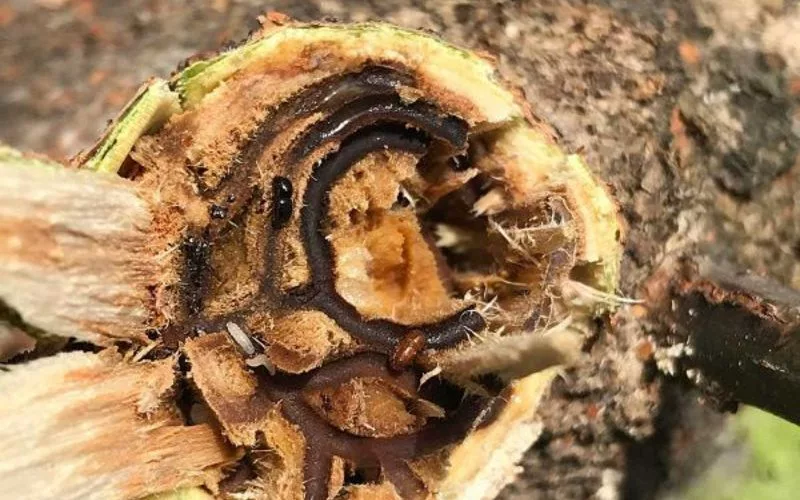
The small but mighty Polyphagous Shot Hole Borer (PSHB) beetle is threatening the beautiful trees of Somerset West, infesting over 5,000 of them, including beloved species like Boxelder and Weeping Willow. To combat this danger, the City of Cape Town is holding a free training session on December 19, 2024, inviting residents to learn how to spot and manage the beetle’s damage. This effort is vital not just for the trees, but for preserving the community’s rich cultural history tied to these natural treasures. By joining together, Somerset West can protect its urban forests and ensure they thrive for future generations.
What is the PSHB threat to Somerset West’s urban forests?
The Polyphagous Shot Hole Borer (PSHB) poses a significant threat to Somerset West’s urban forests by infesting over 5,000 trees. This invasive beetle damages vulnerable species like Boxelder and Weeping Willow, risking the ecological and cultural identity of the community. Collective action and training are crucial for effective response.
The Unseen Threat: PSHB in Somerset West
In the picturesque community of Somerset West, set against the stunning backdrop of Cape Town, a quiet yet formidable threat endangers the vitality of the city’s urban forests. The Polyphagous Shot Hole Borer (PSHB), a small but devastating insect, has established itself within the region, posing a serious risk to the magnificent trees that adorn streets, parks, and gardens. Recognizing the urgency of this ecological crisis, the City of Cape Town invites its residents and local businesses to an essential training session on December 19, 2024. This free event aims to arm the community with the necessary knowledge to battle this ecological menace.
Originating from Southeast Asia, PSHB first made its presence known in Somerset West on Oldenland Road in March 2019, when it attacked an ailing London plane tree. Since then, this invasive beetle has spread insidiously, infesting over 5,000 trees in the city. Trees particularly vulnerable include Boxelder, Weeping Willow, Poplars, and English Oak – each crucial to the ecological fabric of Cape Town. Deputy Mayor Alderman Eddie Andrews, a key figure for Spatial Planning and Environment, stresses the urgency of collective action. He calls for active public involvement, highlighting that the PSHB threat necessitates a unified, knowledgeable response from all stakeholders connected with plant materials.
The upcoming training session will take place at the picturesque Helderberg Nature Reserve, a site that embodies the natural beauty of Somerset West. Participants will learn to recognize early signs of PSHB infestation, such as branch dieback, gumming, small holes, and staining. These indicators, though initially subtle, can escalate swiftly, causing extensive damage if not promptly addressed. Expert instructors will guide attendees in detecting and reporting infestations, managing infested plant matter, and safely transporting green waste without exacerbating the beetle’s spread.
Preserving Cultural and Historical Identity Through Action
The threat posed by PSHB extends beyond environmental concerns; it imperils the community’s cultural and historical identity. Cape Town’s trees are not mere landscaping elements; they are living records of the city’s rich history and integral to its unique charm. From the stately oaks lining the avenues to the willows along riverbanks, every tree narrates a story, witnessing time’s passage and contributing to the city’s distinctive character.
Trees have long symbolized resilience, growth, and continuity in art and literature. Romantic poets often employed tree imagery to evoke emotion and introspection. Similarly, Somerset West must channel these traits, standing firm against the PSHB threat. The training session is an opportunity for the community to transform concern into action, ensuring the preservation of the urban forest for future generations.
Participants will also explore crucial protocols for handling and disposing of infested materials. The beetle spreads not only through infected wood but also via unsuspected vectors like clothing, vehicle crevices, and uncleaned tools. This complex transmission method highlights the necessity for diligent vigilance in all aspects of plant and tree management. Both residents and businesses must implement strict measures to prevent inadvertently aiding the beetle’s proliferation.
Community Collaboration: A Proactive Response
The city urges attendees to RSVP for the training, demonstrating their commitment to this vital cause. By uniting arborists, landscapers, nurseries, and private citizens, the city fosters a sense of community solidarity and shared responsibility. This collective endeavor is not merely a defensive tactic; it represents a proactive strategy to protect the ecological and aesthetic vitality of Cape Town’s treasured urban landscape.
Beyond the immediate threat, the PSHB situation prompts reflection on broader environmental stewardship and sustainable practices. In a world where urban development increasingly encroaches on natural spaces, the individual’s role in preserving these areas becomes ever more critical. The struggle against PSHB serves as a poignant reminder of the delicate balance sustaining urban ecosystems and the constant need for vigilance and care.
As the training session draws near, anticipation builds within the community. This is not just another event; it is a call to action – a rallying point for those who cherish Somerset West’s natural beauty and are determined to shield it. Through education and collaboration, the community can mount an effective defense against the PSHB, drawing on both contemporary scientific understanding and the collective wisdom of past generations.
A Call to Action: Ensuring Future Resilience
In the battle against PSHB, Somerset West stands at a crucial juncture. Will it fall to the beetle’s relentless advance, or will it rise to the challenge, ensuring its trees continue to thrive, offering shade to future generations? The forthcoming training session marks a significant step toward the latter. It is a step toward empowerment, resilience, and a steadfast commitment to preserving Cape Town’s natural heritage.
The city’s invitation to learn and act is not just about safeguarding trees; it’s about protecting the essence of the community itself. By coming together, Somerset West can craft a legacy of resilience and ecological stewardship, ensuring that its urban forests remain vibrant and thriving for generations to come. This proactive stance not only defends against current threats but also prepares the community to face future challenges with confidence and resolve.
FAQ: Defending Somerset West’s Urban Forests Against PSHB
What is the Polyphagous Shot Hole Borer (PSHB) and why is it a threat to Somerset West’s trees?
The Polyphagous Shot Hole Borer (PSHB) is an invasive beetle that threatens Somerset West’s urban forests by infesting over 5,000 trees, including vulnerable species like Boxelder and Weeping Willow. This beetle damages trees and risks the ecological and cultural identity of the community, making collective action and training crucial for an effective response.
When and where will the training session to combat PSHB take place?
The training session will be held on December 19, 2024, at the Helderberg Nature Reserve. This free event is designed to equip residents with the knowledge and skills needed to identify and manage the damage caused by PSHB effectively.
What will participants learn during the training session?
Participants will learn to recognize early signs of PSHB infestation, such as branch dieback, gumming, small holes, and staining. The training will also cover how to detect and report infestations, manage infested plant matter, and safely transport green waste to prevent further spread of the beetle.
How does the PSHB infestation impact the cultural and historical identity of Somerset West?
The PSHB infestation not only threatens the environment but also jeopardizes the community’s cultural and historical identity. Trees in Cape Town are integral to the city’s rich history and unique charm, serving as living records that embody resilience and continuity. Protecting these trees is essential for maintaining the character of the community.
Why is community involvement crucial in combating the PSHB threat?
Community involvement is vital for an effective response to the PSHB threat as it creates a sense of solidarity and shared responsibility among residents, arborists, landscapers, and businesses. By working together, the community can implement proactive measures to manage and prevent the further spread of the beetle, ensuring the protection of Somerset West’s urban forests.
How can residents RSVP for the training session and what should they bring?
Residents who wish to attend the training session are encouraged to RSVP in advance to demonstrate their commitment to this vital cause. While specific items to bring are not mentioned, participants should consider wearing comfortable clothing and shoes suitable for outdoor learning, as well as bringing any tools or materials they may wish to discuss concerning tree care and management.