Valentin Gain, a 24-year-old from France, defied conventional travel by embarking on a 16-month, 12,400 km journey on foot across 19 countries to explore and comprehend the diverse ways of life, thinking patterns, and cultures that exist globally. He depended on the generosity and hospitality of local people, seeking shelter in religious institutions and police stations for accommodations. Gain faced health challenges and struggles to adjust to local cuisine and water, but his determination strengthened, and his journey serves as an inspiration for those who aspire to explore the world, free from the limitations of modern travel.
What is Valentin Gain’s 16-month, 12,400 km journey about?
Valentin Gain’s journey is about exploring and comprehending the diverse ways of life, thinking patterns, and cultures that exist globally. He traveled 12,400 kilometers on foot, across 19 countries, to witness and learn from people’s experiences and understand how those less fortunate are managing to survive. Gain depended on the generosity and hospitality of local people, and his journey serves as an inspiration for those who aspire to explore the world, free from the limitations of modern travel.
Venturing Beyond Common Grounds
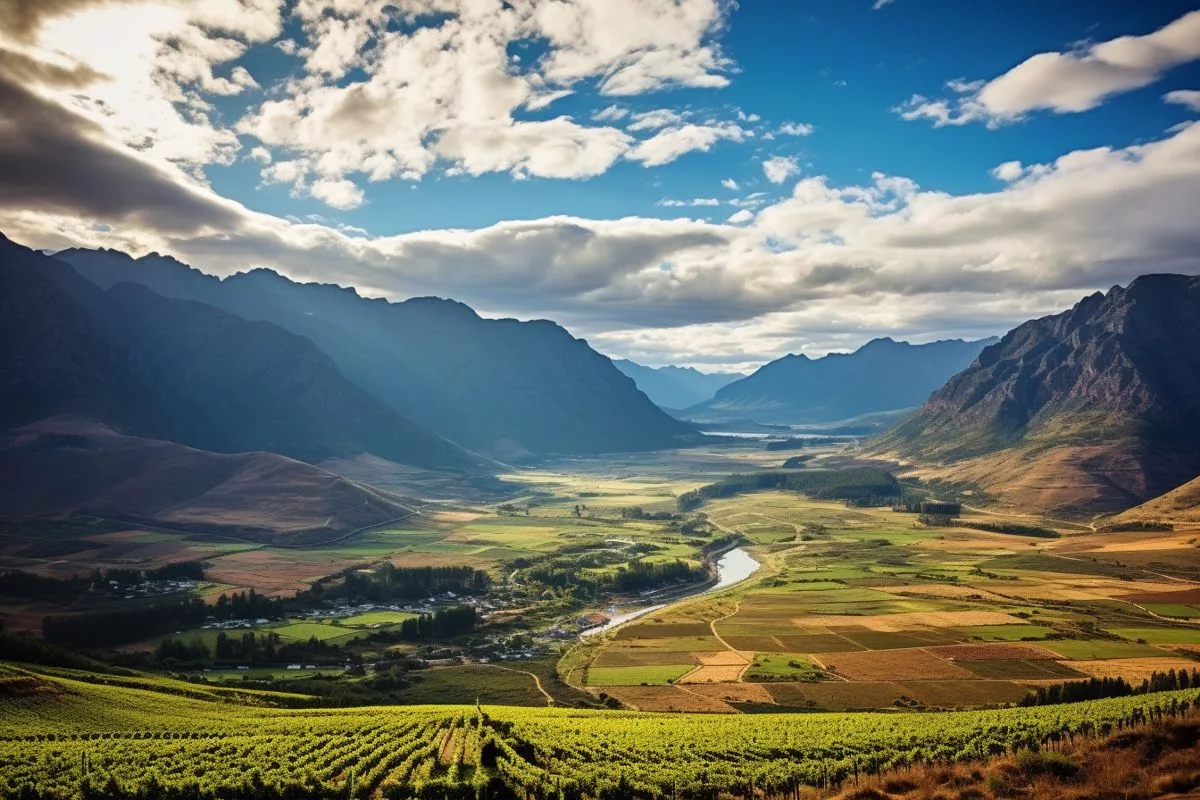
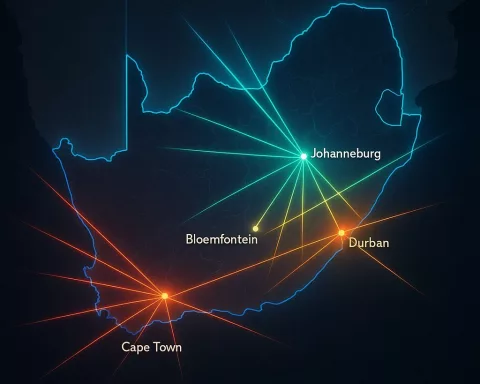
At a time when high-speed travel is the norm, Valentin Gain, a 24-year-old from Landeronde, France, chose to break the mold. He set off on a 16-month journey, covering an impressive 12,400 kilometers on foot, ending his adventure in the energetic city of Cape Town, South Africa. This journey was more than a physical challenge; it was a determined effort to explore the diverse aspects of human life, including its myriad of cultures, lifestyles, and the tenacity required to persevere through hardship.
Hailing from a quaint village in western France, Gain was propelled by an unquenchable thirst for knowledge about the world outside his comfort zone. His journey was not an escape from his daily life, but rather, a genuine wish to witness and comprehend the diverse ways of life, thinking patterns, and cultures that exist globally. As he eloquently put it, his objective was to “see how those less fortunate are managing to survive.”
The Bold Expedition and Insightful Observations
This daring trek spanned 19 countries, beginning in the historic sites of France and Spain in Europe and crossing geographical borders to explore the fascinating landscapes of Africa. The combination of urban and rural paths provided Gain with a deep understanding of the social and economic dynamics that characterize each region.
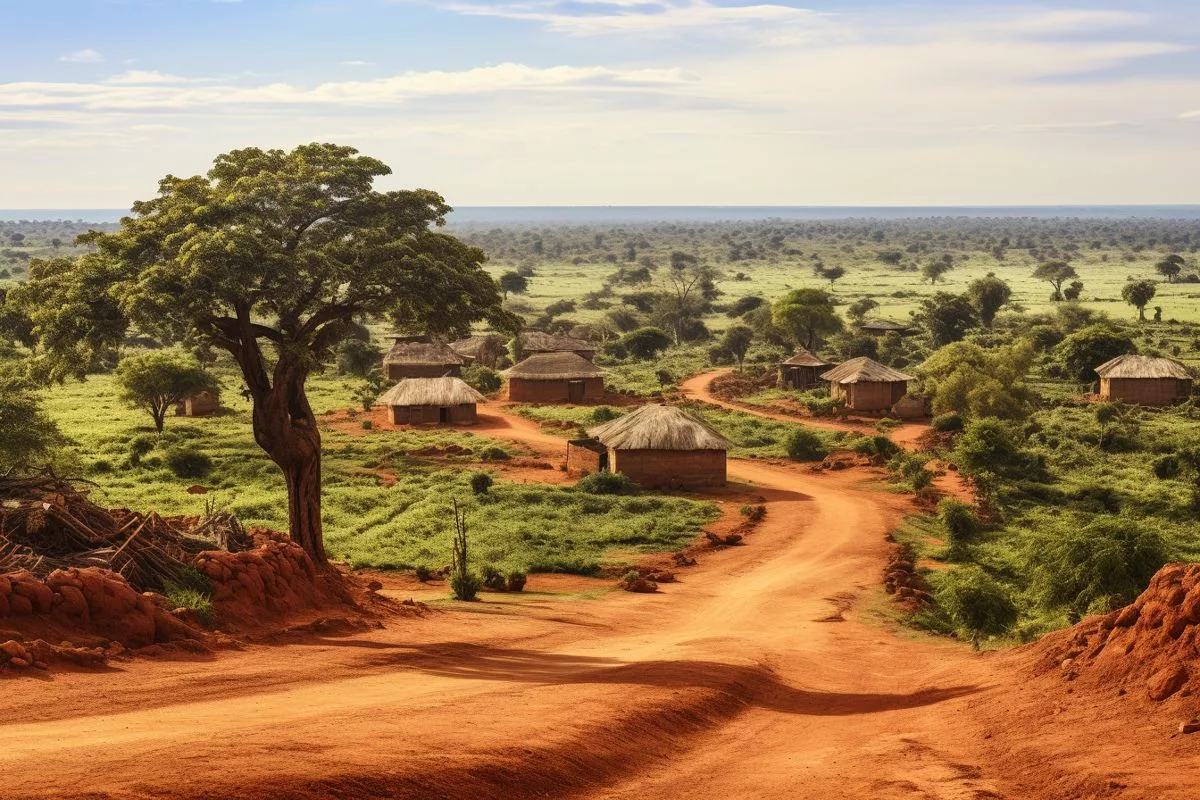
Gain’s astute observation that one can be “financially poor yet rich in other ways” speaks to the contrast he noted between life in rural and urban environments. He encountered the paradox of wisdom and self-sufficiency in rural areas, where residents, though financially disadvantaged, possessed a wealth of knowledge about their surroundings and the ability to provide their own food. In contrast, city living proved a tougher survival test, plagued by poverty and the daily struggle for sustenance.
Overcoming Challenges and Seeking Support
With a humble budget of 3,000 euros, Gain depended on the generosity and hospitality of local people, the refuge offered by religious institutions, and the security of police stations for accommodations. His humility shone through as he sought shelter, regardless of whether it came from a village leader or a priest at a Catholic church. His tent served as his portable home when more formal accommodations weren’t available.
However, the journey wasn’t without its difficulties. Gain faced health challenges, including repeated bouts of malaria, and the struggle to adjust to the local cuisine and water. These obstacles didn’t deter him; instead, they strengthened his determination and became part of his expedition narrative.
Now in Cape Town, Gain finds himself at a juncture, seeking help to return to France. His plea for help isn’t a sign of desperation but rather practicality, as he’s willing to exchange social media promotion for sponsorship.
Currently depending on the kindness of Cape Town’s inhabitants, Gain’s living situation is temporary, moving from one host to another each day. His journey, documented in detail on PolarSteps, serves as an inspiration for those who aspire to explore the world, free from the limitations of modern travel.
A Voyage of Self-Discovery
As we reflect on Gain’s journey, we realize that adventure isn’t simply reaching a destination but rather a journey of self-discovery. It’s an exploration of human resilience and a testament to the universal language of humanity that surpasses geographical boundaries. As he embarks on a new chapter, we are left in awe of his courage and determination, eagerly awaiting the next update on this remarkable odyssey.
What motivated Valentin Gain to embark on his 16-month journey?
Valentin Gain was motivated by an unquenchable thirst for knowledge about the world outside his comfort zone, and a genuine wish to witness and comprehend the diverse ways of life, thinking patterns, and cultures that exist globally. He wanted to explore and understand how those less fortunate are managing to survive.
How did Valentin Gain finance his journey?
Valentin Gain had a humble budget of 3,000 euros, and he depended on the generosity and hospitality of local people, the refuge offered by religious institutions, and the security of police stations for accommodations. He sought shelter wherever he could, regardless of whether it came from a village leader or a priest at a Catholic church. His tent served as his portable home when more formal accommodations weren’t available.
What challenges did Valentin Gain face during his journey?
Valentin Gain faced health challenges, including repeated bouts of malaria, and the struggle to adjust to the local cuisine and water. However, these obstacles didn’t deter him; instead, they strengthened his determination and became part of his expedition narrative.
Why is Valentin Gain’s journey an inspiration?
Valentin Gain’s journey serves as an inspiration for those who aspire to explore the world, free from the limitations of modern travel. His determination to understand and learn from the people he met despite the challenges he faced is inspiring.
What did Valentin Gain observe about life in rural and urban environments during his journey?
Valentin Gain observed that one can be “financially poor yet rich in other ways.” He encountered the paradox of wisdom and self-sufficiency in rural areas, where residents, though financially disadvantaged, possessed a wealth of knowledge about their surroundings and the ability to provide their own food. In contrast, city living proved a tougher survival test, plagued by poverty and the daily struggle for sustenance.
How can people support Valentin Gain’s journey?
Valentin Gain is currently seeking help to return to France. He’s willing to exchange social media promotion for sponsorship. People can follow his journey on PolarSteps and reach out to him if they’re interested in supporting him.