Reshanthan Moodley has boldly transformed the South African Police Service by bringing in smart digital tools like facial recognition cameras and advanced crime management systems. Starting from helping officers with tech problems, he rose to lead big projects that blend cutting-edge technology with strong ethics and community care. Always learning and teaching, Resh shows how using new tools thoughtfully can make police work smarter, safer, and more trusted by the people. His story proves that one person’s passion and perseverance can drive real change in even the oldest institutions.
How has Reshanthan Moodley transformed digital innovation within the South African Police Service (SAPS)?
Reshanthan Moodley has driven SAPS digital transformation by implementing advanced crime management systems, deploying facial recognition and CCTV technologies, and promoting continuous learning in cybersecurity and AI. His leadership balances innovation with ethics, enhancing operational efficiency and community trust in law enforcement.
Embracing Change: Laying the Digital Foundation
Kimberley’s historic streets, once bustling with diamond prospectors, now witness a quieter but equally profound transformation – the rise of technology within the South African Police Service (SAPS). Reshanthan “Resh” Moodley, a Chief Administration Clerk, stands at the forefront of this evolution, blending his passion for technology with a commitment to public service. His story exemplifies how individual initiative can drive institutional progress, particularly in sectors often seen as slow to adapt.
Moodley’s trajectory in SAPS began in May 2014, when he joined the Provincial Technology Management Services as an Administration Clerk in the Information Technology Systems Section. His initial responsibilities revolved around running the Provincial System Helpdesk – a role requiring both technological know-how and strong interpersonal skills. Every day brought new challenges: he resolved technical issues, supported SAPS personnel, and acted as a bridge between complex digital systems and officers unfamiliar with IT jargon.
The Helpdesk soon became more than a troubleshooting hub. It functioned as a nerve center where Moodley’s calm demeanor and problem-solving skills shone. While under pressure, he maintained composure, translating complicated technical terms into practical guidance for staff. These early experiences laid the groundwork for his expanding influence, demonstrating that effective digital transformation depends as much on people skills as on technical prowess.
Pioneering New Systems: Bridging Tradition and Technology
Moodley’s role widened considerably after his first year. By 2015, he was tasked with implementing and training staff on newly introduced digital crime management platforms, such as ICDMS, NPIS, and PVS. These systems signaled a major shift in how SAPS gathered, processed, and responded to information – transforming traditional paperwork and manual reporting into streamlined, data-driven operations. Moodley’s efforts helped officers adapt to these changes, ensuring they understood not only how to use the technology, but why it mattered for law enforcement.
One of his most significant projects emerged in 2017, when he oversaw the deployment of Facial Recognition Cameras as part of the NPIS initiative. Moodley balanced the promise of advanced surveillance with the need for ethical considerations. He led training sessions, addressed concerns about privacy, and promoted transparency, ensuring the technology enhanced policing without sacrificing public trust. His approach highlighted the importance of integrating new tools thoughtfully, respecting both technological potential and human values.
Throughout these transitions, Moodley regularly engaged in discussions – sometimes challenging – with colleagues about the implications of embracing digital surveillance. He advocated for a balanced perspective, recognizing that successful innovation requires not just technical implementation but also open dialogue about its impact on communities and the organization.
Committing to Lifelong Learning: Expanding Expertise
Moodley’s passion for technology extended well beyond his daily duties. Recognizing the pace of innovation, he committed himself to continuous learning. He pursued a Diploma in Systems Development, delving into full-stack programming and ethical hacking to deepen his understanding. This formal education equipped him to navigate emerging trends like artificial intelligence, cybersecurity, and software development, all of which are reshaping public service globally.
His appetite for knowledge led him to collect a range of qualifications, including certificates in Cyber Security, Strategic Planning, Project Management, Microsoft Mobility, and Artificial Intelligence. Each certification represented another step toward mastering the tools and concepts defining the Fourth Industrial Revolution. Moodley’s dedication to self-improvement set a powerful example for his peers, demonstrating that upskilling is not just a policy directive, but a personal commitment to staying relevant and impactful.
Through his academic and professional achievements, Moodley transformed himself into a resource for the wider SAPS community. He became an internal consultant, capable of explaining both the nuts and bolts of new systems and the broader strategic goals they serve. His learning journey illustrates how developing multiple competencies can prepare public servants for roles that require both depth and breadth.
Leading from the Front: Driving Innovation on the Ground
Moodley’s rise to Chief Administration Clerk in 2022 marked a new phase in his career. As Provincial Management Information Coordinator, he now oversees operational planning, risk management, and performance monitoring within the Technology Management Services. Far from being a desk-bound administrator, Moodley uses these responsibilities to shape strategic direction, ensuring SAPS remains agile in a rapidly changing environment.
He doesn’t shy away from getting his hands dirty. Whether managing risk registers, compiling detailed reports, or leading the Service Delivery Improvement Plan, Moodley’s approach is both analytical and action-oriented. His commitment to excellence is evident in his willingness to visit remote stations, troubleshoot technical issues on-site, and mentor colleagues facing complex challenges. His leadership style combines strategic vision with a grounded understanding of daily realities.
A standout example of his hands-on innovation is his work supporting radio communications and, more recently, his involvement in combating illegal mining. These high-stakes operations demand rapid problem-solving and technical reliability. Moodley’s ability to provide immediate support, often under pressure, has proven invaluable to officers in the field. This blend of digital expertise and practical know-how underscores the role of technology as an enabler rather than a replacement for human judgment.
Innovating for the Future: Shaping Smart Policing
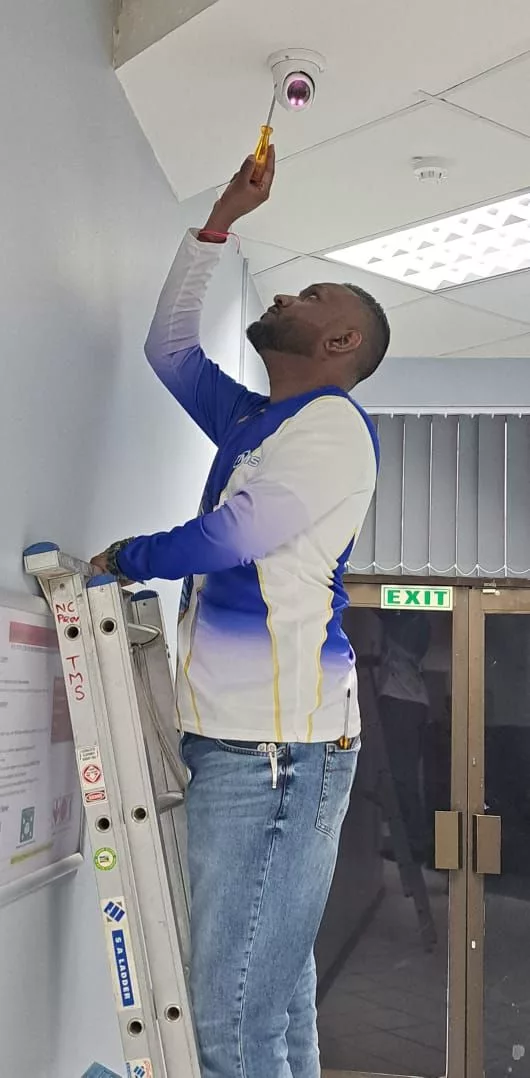
Moodley’s current focus includes spearheading the Ministerial CCTV Camera Project – a critical initiative to enhance security at SAPS stations and units across the Northern Cape. He leads the mapping of high-risk areas, ensuring that the deployment of surveillance technology aligns with operational needs and emerging threats. This project positions him at the forefront of “smart policing,” using digital tools to strengthen public safety while remaining sensitive to local context and concerns.
His work draws inspiration from global best practices but adapts them for South Africa’s unique landscape. By coordinating with stakeholders, training personnel, and maintaining open communication, Moodley ensures that technological advancements are effectively integrated and sustainably managed. His leadership demonstrates that successful innovation requires more than technical infrastructure; it also demands a culture of trust, transparency, and adaptability.
Moodley’s vision extends beyond current projects. He envisions a SAPS where digital systems leverage artificial intelligence to analyze patterns, predict risks, and support decision-making at every level. He believes that the future of law enforcement lies in balancing advanced analytics with ethical responsibility – making sure that technology empowers officers and enhances community trust, rather than eroding rights or accountability.
Inspiring the Next Generation: A Legacy of Progress
At the heart of Moodley’s journey is a philosophy of continuous progress. His motto, “Strive for progress, not perfection,” reflects both humility and ambition. It acknowledges the challenges of digital transformation while encouraging others to embrace learning and growth. Beyond his technical and administrative achievements, Moodley serves as a mentor and role model for youth and colleagues alike, especially during South Africa’s Youth Month – a time dedicated to empowering young people for meaningful participation in the economy.
His passion for both technology and tradition, including his interest in firearms, reflects a holistic approach to public service. Colleagues speak of his willingness to tackle tough projects, his approachability, and his readiness to support others in their professional development. Moodley’s story illustrates how one person’s dedication can ripple outward, inspiring institutional change and fostering a culture where innovation thrives.
Moodley’s career stands as a testament to the opportunities available within the public sector for those willing to adapt, learn, and lead. His experience offers valuable lessons for organizations navigating the complexities of digital transformation: invest in people, champion ethical innovation, and never lose sight of the human element at the heart of public service.
Word count: ~1,200 words.
FAQ: Reshanthan Moodley’s Digital Transformation Journey in SAPS
1. How did Reshanthan Moodley start his career in the South African Police Service (SAPS)?
Reshanthan Moodley began his SAPS career in May 2014 as an Administration Clerk in the Information Technology Systems Section, working at the Provincial Technology Management Services. His initial role involved managing the Provincial System Helpdesk, where he provided technical support to officers and acted as a crucial link between complex digital systems and non-technical SAPS personnel. This frontline experience laid the foundation for his future leadership in digital transformation within SAPS.
2. What key digital technologies has Moodley introduced or managed within SAPS?
Moodley has been instrumental in implementing several advanced digital tools, including facial recognition cameras, CCTV surveillance systems, and crime management platforms such as ICDMS (Integrated Crime and Case Management System), NPIS (National Police Information System), and PVS (Police Visibility System). These innovations have shifted SAPS from manual, paper-based processes to streamlined, data-driven operations, enhancing investigative efficiency and public safety.
3. How does Moodley balance technological innovation with ethical and community concerns?
While deploying technologies like facial recognition, Moodley has emphasized transparency, privacy, and ethical considerations. He led training sessions to educate officers about responsible use, addressed public concerns on surveillance, and fostered open dialogue within SAPS about the societal impact of digital tools. His approach underscores the importance of respecting human rights and maintaining community trust alongside technological progress.
4. What educational background and continual learning has Moodley pursued to support his role?
Moodley is committed to lifelong learning and holds a Diploma in Systems Development. He has expanded his expertise through certifications in Cyber Security, Strategic Planning, Project Management, Microsoft Mobility, and Artificial Intelligence. His dedication to upskilling equips him to navigate emerging technologies like AI and ethical hacking, making him a valuable resource and internal consultant within SAPS.
5. What leadership roles does Moodley currently hold and what are his responsibilities?
Since 2022, Moodley serves as Chief Administration Clerk and Provincial Management Information Coordinator. In this role, he oversees operational planning, risk management, performance monitoring, and the implementation of major projects such as the Ministerial CCTV Camera Project. He combines strategic vision with practical problem-solving by supporting remote stations, mentoring colleagues, and directly addressing technical challenges in high-stakes environments like illegal mining operations.
6. What is Moodley’s vision for the future of policing in South Africa?
Moodley envisions a future SAPS empowered by artificial intelligence and smart analytics to predict risks, optimize resource allocation, and enhance decision-making while maintaining strong ethical standards. He advocates for a balanced integration of technology that supports officers and fosters public trust rather than undermining accountability. His philosophy – “Strive for progress, not perfection” – inspires ongoing innovation, mentorship, and a culture of adaptability within SAPS.
If you want to learn more about Reshanthan Moodley’s impact on public service and digital transformation, his journey is a powerful example of how passion, ethics, and continuous learning can drive meaningful change in long-standing institutions.