Pretoria is a beautiful South African city where history, culture, and nature come together. You can enjoy many affordable activities, like exploring the stunning gardens of the Union Buildings, visiting the touching Freedom Park, or relaxing in the Pretoria National Botanical Garden. Don’t miss the lively Hazel Food Market, where you can taste local treats, or Church Square, with its grand old buildings. For a taste of wildlife, take a self-drive safari at Rietvlei Nature Reserve, where you can see rhinos and zebras while enjoying the great outdoors—all without spending much!
What are some affordable things to do in Pretoria?
Pretoria offers many budget-friendly activities, such as visiting the Union Buildings’ gardens, exploring Freedom Park, wandering through the Pretoria National Botanical Garden, enjoying the Hazel Food Market, discovering Church Square, and taking a self-drive safari at Rietvlei Nature Reserve.
Nestled in the vibrant heart of South Africa, Pretoria stands as a city where history, culture, and natural beauty merge seamlessly. Famous for its jacaranda-lined avenues, Pretoria offers a multitude of activities that won’t strain your wallet. As you explore its landscape, you’ll uncover a mix of historical depth and lively community life, all accessible to the budget-conscious traveler. Let’s dive into six affordable and enriching experiences in Pretoria that truly capture the city’s essence and spirit.
Union Buildings: A Blend of History and Tranquility
Kick off your exploration in Pretoria with a visit to the Union Buildings, arguably the city’s most iconic site. Designed by the esteemed architect Sir Herbert Baker, these grand structures serve as the administrative heart of the government. Beyond their political significance, they provide a stunning setting for reflection and leisure. The expansive gardens that envelop the buildings are freely accessible to the public, encouraging visitors to wander along the paths or enjoy a picnic with breathtaking views all around.
At the heart of these gardens stands the impressive statue of Nelson Mandela, a powerful emblem of the nation’s journey towards freedom and equality. Witnessing this monument offers an opportunity to contemplate South Africa’s profound history, and the peaceful beauty of the gardens enhances this reflective experience at no cost. The Union Buildings are more than just governmental offices; they are a gateway to understanding the past and present of South Africa.
These gardens provide an ideal spot for relaxation and reflection, serving as a green oasis where history and nature blend harmoniously. Whether you’re admiring the architecture or simply enjoying the serene environment, a visit to the Union Buildings is a must for any traveler in Pretoria.
Freedom Park: A Chronicle of Courage and Change
For those eager to delve deeper into South Africa’s rich narrative, Freedom Park on Salvokop Hill is an essential stop. This heritage site meticulously chronicles the nation’s turbulent path to democracy through thoughtfully curated exhibits. The museum and memorials within the park stand as poignant reminders of the sacrifices made for freedom, offering insights into the struggles and triumphs that shaped the country.
As you explore Freedom Park, panoramic views of Pretoria unfold before you, providing a stunning visual context to the stories told within the park. The interactive nature of the exhibits ensures an engaging and thought-provoking experience. The minimal entrance fee offers exceptional value, providing a window into the diverse tapestry of cultures and historical struggles that define South Africa.
Freedom Park is more than just a museum; it’s a place of learning, reflection, and inspiration. The park invites visitors to engage with the country’s past and present, creating a meaningful connection that resonates long after the visit.
Embracing Nature: Botanical Gardens and Markets
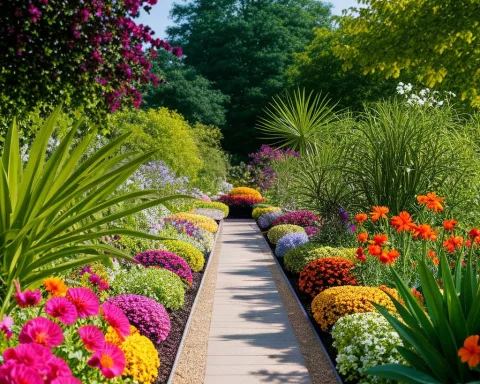
Nature lovers will find solace in the Pretoria National Botanical Garden, a sprawling 76-hectare oasis showcasing the diverse array of South Africa’s indigenous plants. This expansive garden provides a tranquil retreat from the city’s hustle and bustle. Birdwatchers and admirers of nature will delight in the garden’s subtle beauty, as well-maintained trails weave through a canopy of exotic trees, inviting leisurely strolls.
The garden offers numerous shaded areas, perfect for unwinding with a book or simply soaking in the peaceful atmosphere. Whether you’re on a solo adventure or visiting with family, the Pretoria National Botanical Garden offers a delightful escape into nature’s embrace. The garden serves as a verdant haven where visitors can appreciate the rich biodiversity of South Africa without breaking the bank.
On Saturdays, Pretoria comes alive with the scent of local flavors at the Hazel Food Market in Menlo Park. This bustling market is a culinary adventure, offering a variety of fresh produce, artisanal foods, and handcrafted goods. As you navigate the stalls, you’ll come across traditional South African delicacies, each narrating a story of the region’s rich culinary heritage.
Live music adds to the vibrant atmosphere, creating a communal space where locals and tourists mingle. With free entry, the Hazel Food Market becomes an enjoyable and budget-friendly way to experience local culture and cuisine. It’s not just a market; it’s a celebration of Pretoria’s culinary diversity and community spirit.
Historical Insights: Church Square and Wildlife Adventures
In the center of Pretoria lies Church Square, a historical focal point surrounded by colonial-era architecture. The square serves as a testament to the city’s historical journey, with structures like the Palace of Justice and the Old Capitol Theatre standing as silent witnesses to numerous significant events. A self-guided tour around the square allows you to uncover its storied past, with the statue of Paul Kruger, a pivotal figure in South African history, taking the spotlight.
As you wander through Church Square, you gain insight into Pretoria’s colonial legacy, offering moments of reflection and discovery without any cost. The square is not just a historical site; it’s a living museum where the past and present coalesce, providing a deeper understanding of the city’s rich heritage.
For those seeking a wildlife adventure, a short drive from Pretoria’s bustling center brings you to the natural sanctuary of Rietvlei Nature Reserve. This reserve is a haven for wildlife enthusiasts, home to a diverse array of animals including rhinos, zebras, and antelope. Visitors can embark on self-drive safaris, experiencing the thrill of a safari at their own pace and leisure.
Well-marked hiking trails and scenic picnic spots offer additional ways to appreciate the reserve’s natural beauty. Compared to larger game reserves, Rietvlei provides an affordable option that promises a day filled with adventure and a deep connection with South Africa’s diverse wildlife. Rietvlei Nature Reserve is a treasure trove of biodiversity, offering an unforgettable experience for nature lovers.
Pretoria’s offerings celebrate its rich heritage, vibrant culture, and breathtaking natural beauty. Each experience, from grand historical landmarks to bustling local markets and serene natural reserves, narrates the city’s past and present. Engaging with these attractions provides a deeper understanding of Pretoria’s unique character, all while being mindful of the budget.
Whether you’re exploring historical sites, indulging in local flavors, or finding peace in nature, Pretoria opens its arms wide, inviting you to experience its wonders without the burden of high costs. This city is a treasure waiting to be discovered, offering enriching experiences that linger long after the journey ends.
FAQ about Visiting Pretoria
What are some affordable things to do in Pretoria?
Pretoria offers a variety of budget-friendly activities including visiting the gardens of the Union Buildings, exploring Freedom Park, wandering through the Pretoria National Botanical Garden, enjoying the lively Hazel Food Market, discovering Church Square, and taking a self-drive safari at Rietvlei Nature Reserve.
What can I expect to see at the Union Buildings?
The Union Buildings are the administrative heart of the South African government and are surrounded by expansive gardens that are free to enter. Visitors can admire the architecture, enjoy peaceful gardens, and view the statue of Nelson Mandela, which symbolizes the nation’s journey towards freedom and equality.
What is Freedom Park and why should I visit?
Freedom Park is a heritage site that chronicles South Africa’s struggle for democracy through curated exhibits and memorials. It offers panoramic views of Pretoria, a minimal entrance fee, and a meaningful opportunity to learn about the country’s history and cultural diversity.
What can I experience at the Pretoria National Botanical Garden?
The Pretoria National Botanical Garden is a 76-hectare oasis showcasing South Africa’s indigenous plants. It offers well-maintained trails, shaded areas for relaxation, and is an ideal spot for birdwatching and enjoying a peaceful escape from the hustle and bustle of the city—all for a very low entry fee.
What is the Hazel Food Market and what can I find there?
The Hazel Food Market is a vibrant culinary adventure held every Saturday in Menlo Park. It offers a variety of fresh produce, artisanal foods, and handcrafted goods. Entry is free, and visitors can enjoy local delicacies, live music, and a lively atmosphere that celebrates Pretoria’s culinary diversity and community spirit.
How can I experience wildlife near Pretoria?
You can visit Rietvlei Nature Reserve, which is just a short drive from the city center. This reserve offers self-drive safaris where you can see a variety of wildlife, including rhinos and zebras. The well-marked hiking trails and scenic picnic spots make it an affordable option for wildlife enthusiasts looking to connect with nature.