Djibouti’s Cheetah Sighting Sparks Conservation Hope

1 min read
wildlife conservation cheetah

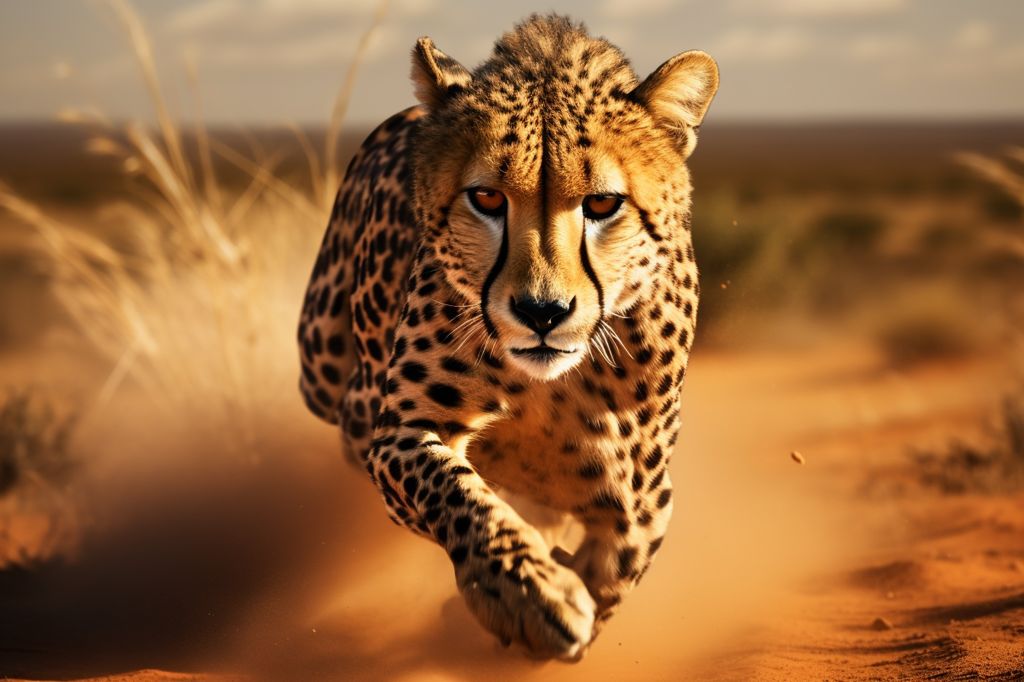
Wildlife conservation is an ever-challenging field where every discovery counts. Recently, a wild cheetah sighting in Djibouti, after over 30 years, brought smiles to the researchers involved in a biodiversity survey. However, this discovery is just the beginning of a long journey towards cheetah conservation in East Africa.

The Challenges Facing Cheetah Conservation

Cheetahs, lions, and leopards are part of Africa’s “big cat” triumvirate, whose numbers have been dwindling rapidly. Cheetah habitats have contracted significantly, with their geographical range reduced to only 9% of their historical territories. Researchers call for an upgrade in their conservation status from “vulnerable” to “endangered” on the International Union for Conservation of Nature (IUCN) Red List.

Newsletter

Stay Informed • Cape Town

Get breaking news, events, and local stories delivered to your inbox daily. All the news that matters in under 5 minutes.

Join 10,000+ readers
No spam, unsubscribe anytime

Cheetah Conservation in East Africa

East Africa is home to only about 300 cheetahs facing the challenges of illegal pet trade, habitat loss, and fragmentation of territories. Djibouti’s rapid development and rich biodiversity warrant further study to determine whether it could provide crucial habitat for this rapidly declining species.

Biodiversity Survey in Djibouti

In 2021, the World Bank commissioned American ornithologist Dr. Evan Buechley to conduct a biodiversity survey in Djibouti. Along with his team, they studied mammals, birds, and plants, using camera traps to record large mammals in various regions.

The Exciting Discovery

The team captured images of caracal, spotted hyena, and three potential cheetah prey species. However, the most exciting find came when a camera on the remote Digri Plateau captured six images of a cheetah on March 30th, 2021. While this discovery has sparked hope and interest, further research is necessary to assess the presence of cheetah populations in Djibouti.

Cautious Optimism

Dr. Megan Murgatroyd cautions the need for more research to assess the presence of cheetah populations in Djibouti. Dr. Buechley acknowledges the possibility that the sighting was merely a lone individual on an extensive trek across the Horn of Africa. However, Dr. Mark Chynoweth’s findings suggest sufficient prey might be available to support a cheetah population.

Researchers’ discovery of a wild cheetah in Djibouti is a rare glimmer of hope in the challenging field of wildlife conservation. Despite the many hurdles that lie ahead, this exciting discovery has undoubtedly piqued the interest of researchers, encouraging them to delve deeper into the mysteries of Djibouti’s breathtaking biodiversity.
Michael Jameson is a Cape Town-born journalist whose reporting on food culture traces the city’s flavours from Bo-Kaap kitchens to township braai spots. When he isn’t tracing spice routes for his weekly column, you’ll find him surfing the chilly Atlantic off Muizenberg with the same ease he navigates parliamentary press briefings.

Leave a Reply

Your email address will not be published.

Previous Story

Breaking Records and Making History with Greta Gerwig’s ‘Barbie’

Next Story

Celebrity chef Fatima Sydow has been a heartwarming presence in the culinary world for many years. Her ongoing battle with stage 4 Soft Tissue Sarcoma cancer has added a layer of depth to her story. Despite the challenges, Sydow remains a testament to resilience.

Latest from Blog

Forty Metres of Air: The Morning Kiteboarding Rewrote Physics

Hugo Wigglesworth, a young kiteboarder, defied gravity and rewrote the record books by soaring an incredible 40 meters into the air. He used powerful winds, a perfectly timed jump off a wave, and special gear to achieve this amazing feat. His careful planning and hundreds of practice runs made him fly higher than anyone before, showing the world what’s possible in kiteboarding.

Airbnb Under Fire: How Cape Town’s Housing Crunch Became a Tourism Blame-Game

Cape Town’s housing woes are NOT really Airbnb’s fault, even though a viral photo tried to blame them! The real problem is that not enough homes are being built, and lots of new people are moving to the city. Getting building permits takes forever, making homes expensive. Airbnb brings in lots of money and jobs, and even if all Airbnbs disappeared, it wouldn’t fix the big housing shortage. The city needs to build more homes and make it easier to do so, not just point fingers at tourists.

Cape Town’s Hottest Tables: Where Summer Tastes Like Salt, Smoke and Midnight Vinyl

Cape Town’s new restaurants are super exciting, offering amazing tastes from the ocean, farms, and even old recipes. Places like Amura serve unique sea dishes, while Tannin has a huge wine list and tiny plates. Café Sofi bakes heavenly pastries, Beach Buns makes awesome burgers, and Le Bistrot de JAN mixes French and South African flavors. These spots let you taste the city’s lively food scene, from fancy dinners to casual beach eats, making every meal an adventure.

Between Concrete and Current – Four Inland Hearts Meet the Indian Ocean

This article tells a beautiful story of four South Africans from inland places who see the Indian Ocean for the very first time. For many, the sea is just a picture, far away and hard to reach. But when these brave people finally touch the salty water, it changes them deeply. They feel the ocean’s power, taste its salt, and understand that this huge, blue world is now a part of their own story, breaking down old ideas about who can connect with the sea.