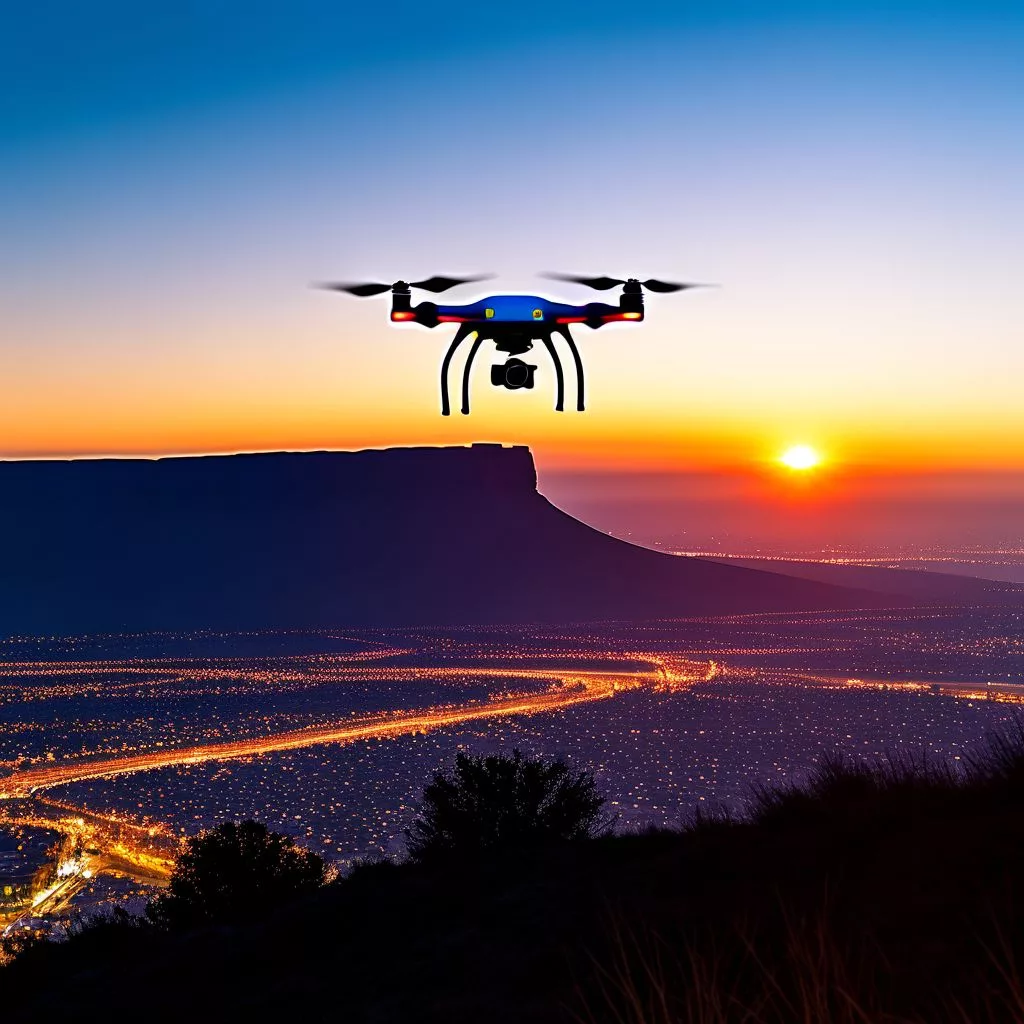
Drones are not allowed to fly over Signal Hill and Table Mountain National Park unless you have special permission. This rule helps protect animals and plants, and keeps visitors safe, especially after dark when wildlife is active. While drones can help scientists study nature, flying them without approval can disturb animals and break the law. The park asks everyone to respect these rules so its beauty and wildlife stay safe for the future.
Are drones allowed on Signal Hill and Table Mountain National Park?
Drones are generally prohibited in Table Mountain National Park, including Signal Hill, without explicit permits. This ban protects wildlife, preserves fragile habitats, and ensures visitor safety. Unauthorized drone flights violate South African law, disrupt animals, and risk revealing sensitive conservation areas. Responsible drone use requires strict authorization.
A Changing Landscape: Tradition Meets Technology
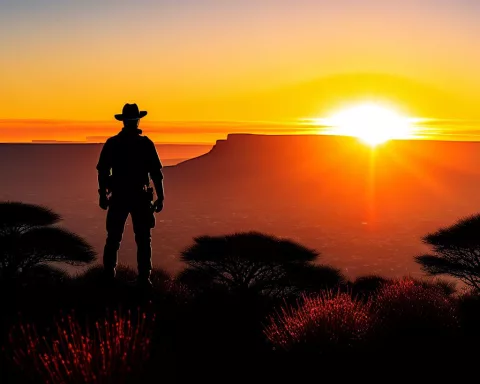
As evening descends on Cape Town, Signal Hill stands guard above the urban sprawl, soaking up the last brushstrokes of pink and gold. For generations, locals and travelers alike have ascended this iconic rise to take in the sweeping scene: the Atlantic unfurling to the west, city lights flickering beneath, and Table Mountain’s majestic slopes framing the horizon. The tradition of watching the sun set here has woven itself into the rhythm of Cape Town life, a quiet ritual that connects people to place.
Lately, though, a new element has crept into this centuries-old tableau. The drone, once a novelty reserved for professional filmmakers or scientists, now hovers overhead, its buzz a jarring counterpoint to the natural hush of dusk. No longer do only footprints mark the trails—tiny aircraft now slice through the twilight, cameras whirring, as modern adventurers seek aerial perspectives once limited to the imagination or to birds.
This technological incursion reached a turning point recently. In July, Table Mountain National Park staff confronted a situation unlike any wildfire or invasive plant outbreak. Flyers and social media posts advertised a so-called “exclusive” drone night on Signal Hill, promising enthusiasts an opportunity to capture nighttime aerial footage in a supposedly official event. The catch? The organizers had never secured approval. The gathering not only flouted park policy but also broke national law. When rangers caught wind of this digital invitation, they intercepted would-be participants, extinguishing their excitement and setting the record straight: the event had no official sanction.
Rules Rooted in Conservation and Safety
Reacting swiftly, park officials issued public statements to clear up any confusion. Their stance was unequivocal: Signal Hill, like the rest of the park, closes at sunset for a reason. The timing is not arbitrary, nor is it a mere inconvenience for those seeking twilight adventures. After dark, the wilderness changes. Winds become sharper, nocturnal animals emerge, and once-familiar landscapes grow unpredictable. The park’s daylight restrictions serve a dual purpose—protecting fragile habitats and keeping visitors from straying into danger.
Many may view these rules as unnecessarily strict, especially with the lure of unique drone footage on offer. However, these regulations are built on decades of hard-earned experience. South African National Parks (SANParks) makes it clear: recreational drones are strictly prohibited in national parks without explicit permission. The legal framework, including the National Environmental Management Act (NEMA) and the Protected Areas Act, makes this stance unambiguous. No aircraft—including drones—may fly below 2,500 feet above a park’s highest point unless authorities explicitly authorize it. This policy effectively designates Table Mountain and its neighboring peaks as off-limits for casual drone flights.
These laws might strike some as bureaucratic red tape, but their roots extend deep into conservation science. Drones, even when used with good intentions, can disrupt wildlife in ways that are not always obvious. Birds may abandon their nests if startled by a hovering machine; baboons, known for their unpredictable behavior, may react aggressively or experience stress; antelope might bolt, risking injury. Each flight has the potential to upset the delicate equilibrium that conservationists work tirelessly to maintain.
Drones: Tool or Threat?
Park rangers now scan the skies as diligently as they watch the trails, listening for the telltale hum of drone motors. The challenge of managing protected areas has shifted—fences and warning signs offer little deterrence to technology that easily slips past boundaries. Each time authorities address one incursion, another arises, often more creative than the last.
Drones pose risks beyond wildlife disturbance. Unauthorized aerial photography can inadvertently capture sensitive locations—rare plant sites, animal nesting areas, or even reveal the movements of anti-poaching patrols. In an age when data travels instantly, a single drone flight can jeopardize not just the peace of the mountain but its very security. The seemingly innocent act of taking a photo may have repercussions that extend far beyond a single social media post.
However, the drone story is not one-dimensional. When used responsibly and with proper permits, drones provide conservationists and scientists unparalleled tools. Researchers track animal migrations, survey plant communities, and monitor erosion—tasks that once demanded helicopters and hours of labor. Carefully regulated drone use can complement the spirit of stewardship, turning disruptive technology into a force for good.
Permits for drone use in SANParks do exist, but obtaining one requires more than a casual interest. Applicants must clearly state their purpose, prove their knowledge of drone operation, and demonstrate their understanding of environmental impacts. This rigorous process reflects a philosophy: technology must serve the landscape, not dominate it.
Protecting a Shared Legacy
Table Mountain National Park’s regulations arise not from a desire to stifle creativity but to secure a legacy that stretches back centuries. The mountain’s slopes, cloaked in unique fynbos vegetation, hold plant species found nowhere else on earth. Over time, urban expansion, colonial settlement, and surging tourism have pressed hard on these habitats. Only through steadfast management and public cooperation have these wild places endured.
Park authorities now appeal to the public for partnership. Emergency numbers like those for the Call Centre and the Kloofnek office circulate widely, transforming from administrative contacts into critical lines of defense. Every report—whether of suspicious activity, a rogue drone, or visitors breaching sunset curfew—adds another thread to the tapestry of protection.
Recent years have witnessed a worrying uptick in drone-related disturbances. Rangers have scattered drone operators from nesting bird colonies, calmed joggers startled by low-flying quadcopters, and interrupted clandestine gatherings of photographers intent on capturing “the shot.” Each incident underscores the necessity of firm boundaries. The park’s mandate remains clear: safeguarding wildlife and public welfare cannot be negotiated or compromised for the sake of viral popularity.
For those passionate about aerial imagery, the path remains open—but only for those willing to work within established guidelines. The application process, while thorough, ensures that those who fly do so with a sense of responsibility and awareness.
The Balance Between Wonder and Restraint
Signal Hill, Table Mountain, and their wild kin invite awe not only because of their striking beauty but also because of their resilience. These landscapes have weathered centuries of transformation—from fire and storm to waves of new technology. Each generation faces a choice: prioritize personal gain or uphold a commitment to stewardship.
Today, that choice may manifest as a decision about when, where, and how to fly a drone. The tension between access and protection, innovation and caution, is not unique to Cape Town. It mirrors a global conversation about balancing technological progress with the preservation of irreplaceable natural treasures.
The recent fraudulent drone event serves as a stark reminder. Technology, left unchecked, can threaten the very qualities that make wild spaces worth visiting. But with vigilance, cooperation, and a willingness to respect established boundaries, we can ensure that Table Mountain’s silhouette endures—not just as a backdrop for photos, but as a living, breathing sanctuary for generations to come.
As dusk blankets the Cape Peninsula, the mountains stand silent, demanding nothing more than our respect. The call is not to abandon creativity, but to channel it with care. In the interplay between wonder and restraint lies the true magic of these ancient slopes. Let us meet that challenge, so that both the view and the experience remain unspoiled.
FAQ: Drones on Signal Hill and Table Mountain National Park
1. Are drones allowed to fly over Signal Hill and Table Mountain National Park?
No, drones are generally prohibited from flying over Signal Hill and Table Mountain National Park without special permission. This restriction helps protect wildlife, preserve fragile habitats, and ensure visitor safety. Unauthorized drone flights violate South African law and park regulations.
2. Why are drones banned in the park and on Signal Hill?
The ban on drones is rooted in conservation and safety concerns. Drones can disturb wildlife—birds may abandon nests, and baboons or antelope can become stressed or aggressive. Flying drones after dark is especially problematic because nocturnal animals become active, and the terrain becomes more hazardous for visitors. Additionally, unauthorized drone flights risk revealing sensitive conservation areas and anti-poaching patrols.
3. Can I get permission to fly a drone in Table Mountain National Park?
Yes, but only by obtaining a special permit from SANParks (South African National Parks). The application process is rigorous: applicants must clearly state their purpose, demonstrate drone operation proficiency, and show awareness of potential environmental impacts. Permits are usually granted for scientific research, conservation work, or officially sanctioned filming projects.
4. What are the legal restrictions regarding drone flights in South African national parks?
According to South African law—including the National Environmental Management Act (NEMA) and the Protected Areas Act—no aircraft, including drones, may fly below 2,500 feet above the highest point of a national park without explicit authorization. Unauthorized drone flights are illegal and subject to penalties.
5. What risks do drones pose beyond disturbing wildlife?
Besides disturbing animals, drones can inadvertently capture and share sensitive information about protected areas—such as rare plant locations, animal nesting sites, or anti-poaching operations. This can compromise conservation efforts and park security. Additionally, drone noise and presence can negatively affect the visitor experience by disrupting the natural ambiance.
6. How can visitors help protect Signal Hill and Table Mountain while still enjoying their beauty?
Visitors are encouraged to respect park rules, including the prohibition on unauthorized drone flights and adherence to park opening hours (closing at sunset). Reporting suspicious activity or drone use to the park authorities helps protect the area. For those interested in aerial photography, pursuing permits and cooperating with park guidelines ensures that creativity and conservation coexist harmoniously.
If you want to learn more or report a drone sighting, you can contact the park’s Call Centre or the Kloofnek office. Protecting this treasured landscape requires everyone’s cooperation to keep it safe and beautiful for future generations.