Durban Funworld: A Legacy of Fun and Joy on the Beachfront

1 min read
durban funworld Cape Town

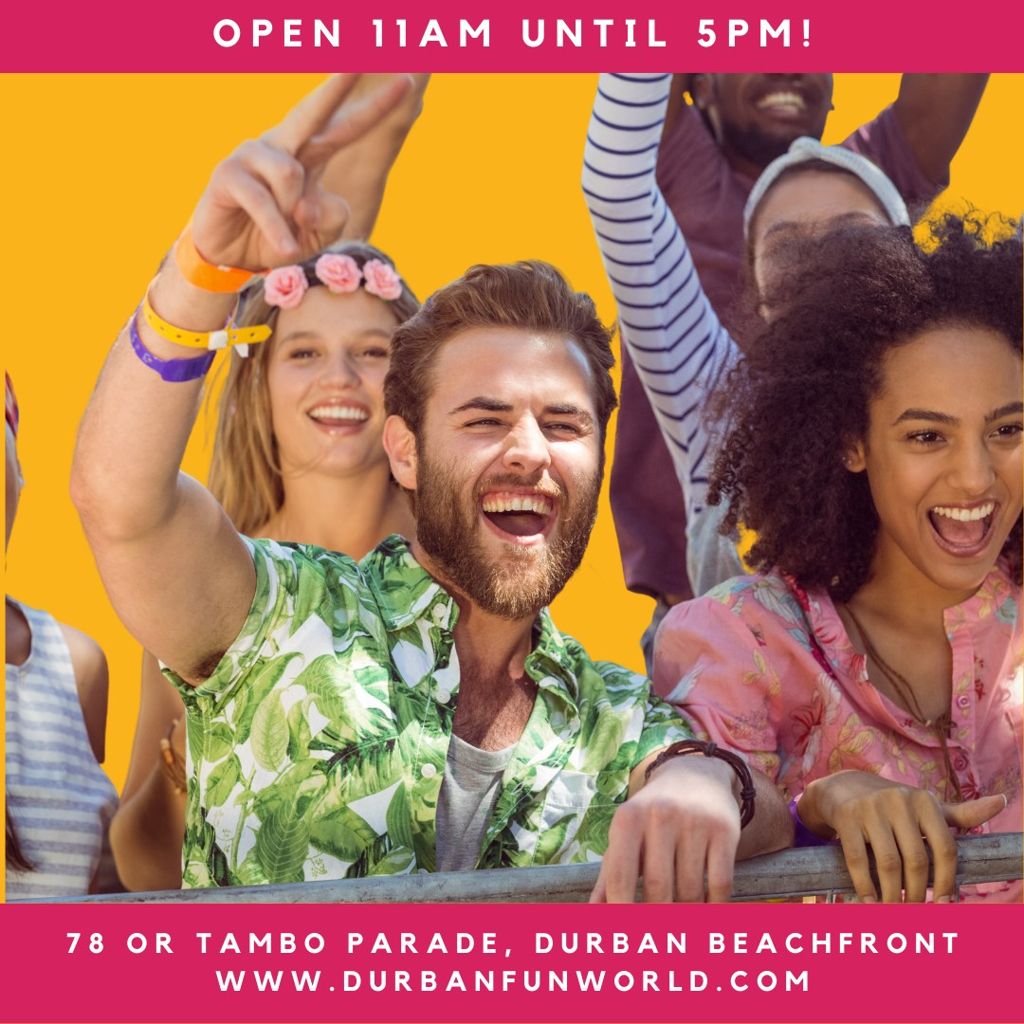
For 80 years, Durban Funworld has been a beloved amusement park on the beachfront of Durban, South Africa. Generations of visitors have flocked to the park to enjoy its rides and attractions and to make memories with their families and friends. However, the park’s current owner, Nic Steyn, has announced that it will cease operations on May 1, 2021.

Durban Funworld was established by the Steyn family in 1940 and has been under their ownership and operation ever since. Over the years, the park has undergone many transformations and changes, evolving with the times and the needs of its visitors. Yet, despite these changes, the park has always retained its spirit of fun and joy, offering something for everyone, from thrill-seekers to young children.

Newsletter

Stay Informed • Cape Town

Get breaking news, events, and local stories delivered to your inbox daily. All the news that matters in under 5 minutes.

Join 10,000+ readers
No spam, unsubscribe anytime

The End of an Era

The closure of Durban Funworld is a significant loss for the community, particularly for those who have grown up with the park and its traditions. It marks the end of an era and the passing of a cultural landmark that has played an essential role in Durban’s social and cultural life.

Nic Steyn, the park’s current owner, has cited several reasons for the closure, including the deteriorating state of the beachfront area and the challenges posed by operating a theme park in a changing economic environment. However, despite the challenges, he remains proud of the legacy of Durban Funworld and its contribution to the community over the years.

A Legacy of Fun and Joy

Durban Funworld has been much more than just an amusement park. It has been a community place where people of all ages and backgrounds could come together and share a common experience. It has provided a sense of belonging and identity to generations of Durbanites and helped shape the city’s cultural landscape.

The park has also been a source of inspiration and creativity. It has inspired artists and writers and has served as a backdrop for countless photographs and films. In addition, it has been a canvas for graffiti artists and street performers and a venue for music festivals and other cultural events.

Looking to the Future

While the closure of Durban Funworld is a sad moment, it is also an opportunity to reflect on the park’s legacy and look to the future. The park has left an indelible mark on the community, and its impact will be felt for many years.

As Durban continues to evolve and grow, it is essential to remember the role that cultural institutions like Durban Funworld play in shaping the city’s identity and character. So while the park may be gone, its spirit and legacy will live on, inspiring new forms of creativity and community for generations.


Liam Fortuin is a Cape Town journalist whose reporting on the city’s evolving food culture—from township kitchens to wine-land farms—captures the flavours and stories of South Africa’s many kitchens. Raised in Bo-Kaap, he still starts Saturday mornings hunting koesisters at family stalls on Wale Street, a ritual that feeds both his palate and his notebook.

Leave a Reply

Your email address will not be published.

Previous Story

South African Comedian Barry Hilton: A Beacon of Kindness

Next Story

Mbalenhle Mavimbela: The Rising Star of The Wife

Latest from Blog

Between Concrete and Current – Four Inland Hearts Meet the Indian Ocean

This article tells a beautiful story of four South Africans from inland places who see the Indian Ocean for the very first time. For many, the sea is just a picture, far away and hard to reach. But when these brave people finally touch the salty water, it changes them deeply. They feel the ocean’s power, taste its salt, and understand that this huge, blue world is now a part of their own story, breaking down old ideas about who can connect with the sea.

A Teenager in a White Coat: How One Student Shattered South Africa’s Medical Age Record

{“summary”: “Imagine a whiz kid, David Obagbuwa, who started high school at 11 and became a doctor at just 21! He shattered South Africa’s medical age record, proving that a sharp mind and hard work can achieve amazing things. From classrooms in KwaZuluNatal to intense medical studies, David tackled every challenge. Even during lockdown, he quickly mastered his courses. Now, he’s ready to help people, showing that big dreams can come true, no matter how young you are.”}

Martian Dust, Carbon ankles & a R4-million Promise: Inside the 2026 Cape Epic’s Mobility Rebellion

Get ready for the 2026 Cape Epic, but this isn’t just any bike race! Three special teams, using amazing robotic legs and carbon ankles, will tackle the tough trails. They’re racing to raise R4 million to buy 200 new prosthetic limbs, 150 wheelchairs, and 50 sports blades for people in South Africa who need them. Every pedal stroke helps someone gain freedom and move again, showing that movement is for everyone, not just a few. This epic journey turns sweat into hope, changing lives one kilometer at a time.

Cape Town’s Shadow State: How Extortion Became the New Township Taxman

Cape Town has a big problem: bad guys are shaking down businesses and projects for money. They act like “taxmen” in townships, making building costs shoot up and forcing small shops to close. These criminals cause fear, stop important work, and even kill people who get in their way. It’s like a shadow government taking over, making life hard for everyone and costing the city tons of money. People are scared, and it’s unclear how this dangerous situation will ever truly end.