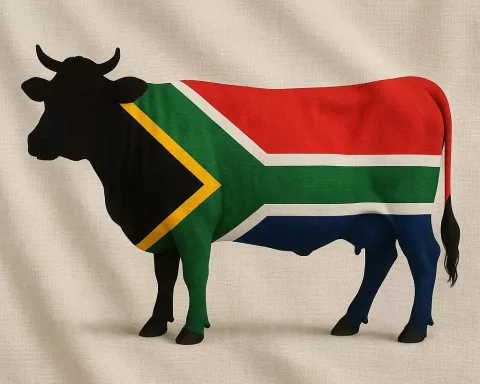

The Durban Super Giants cricket team has partnered with cryptocurrency entities Floki and TokenFi to increase visibility for the financial players in South Africa. This groundbreaking partnership demonstrates the fusion of sports and technology, with the EU also becoming increasingly intertwined with these dynamic alliances. The digital engagement aimed by cryptocurrency sponsorships ignites excitement across social media platforms, showcasing the harmonious blending of cricket, community, and cryptocurrency in the sports sponsorship scene.
In the world of sports and technology, an innovative partnership has emerged between the Durban Super Giants cricket team and cryptocurrency entities Floki and TokenFi. Their aim is to increase the visibility of these rising financial players by capitalizing on the irresistible allure of cricket in South Africa.
The Groundbreaking Steps of Cryptocurrency in Sports Sponsorships
Through the partnership with Floki and TokenFi, the Durban Super Giants cricket team is demonstrating groundbreaking steps in the realm of sports sponsorships. This is evident in the midst of gripping cricket encounters, such as the upcoming clash between the Durban Super Giants and MI Cape Town.
Cryptocurrency and Sports Sponsorships in the European Union
The fusion of these diverse domains is not limited to South Africa alone. The European Union is also becoming increasingly intertwined with these dynamic alliances. EU member states, including Cyprus, are working towards integrating blockchain into their economic landscapes. Cyprus is emerging as a hotspot for blockchain initiatives and fully recognizes the potential of this technology.
Financial Technology Sponsorships in EU’s Sports Scene
There is a noticeable surge in financial technology sponsorships in the EU’s sports scene. Teams are inviting the fintech sector to explore new marketing opportunities. Even though Cyprus may not be a conventional cricket stronghold, the strategy of partnering with sports entities holds great relevance in its football arenas as well.
The Digital Engagement Aimed by Cryptocurrency Sponsorships
The Durban Super Giants’ journey has ignited a contagious wave of excitement across social media platforms. Fans and fantasy leagues are actively engaged, sharing spirited discussions, match statistics, and fan predictions. This exemplifies the digital engagement that these sponsorships aim to ignite.
The Palpable Sense of Anticipation and the Advancement of Technology
As the Durban Super Giants gear up to face their rivals at Kingsmead, there’s a palpable sense of anticipation. Cricket enthusiasts worldwide have their eyes on Durban, not merely for the on-field action but also for the off-field strategic partnerships that are reshaping the sports sponsorship scene.
The Harmonious Blending of Cricket, Community, and Cryptocurrency
When the stadium lights illuminate the pitch, it signifies more than just a game – it’s a demonstration of the harmonious blending of cricket, community, and cryptocurrency. As the match proceeds, the Durban Super Giants, imbued with digital innovation, stand ready to deliver a spectacle that will resonate with sports fans and financial tech visionaries alike.
The Durban Super Giants, led by Keshav Maharaj, are not only playing for their fans’ hopes but also representing the progressive spirit of a shifting world. What’s unfolding at Kingsmead isn’t just a competition between teams – it’s a tribute to the relentless advance of technology and its ever-expanding role in the graceful game of cricket.
1. What is the partnership between Durban Super Giants and Floki and TokenFi?
The Durban Super Giants cricket team has partnered with cryptocurrency entities Floki and TokenFi to increase visibility for the financial players in South Africa, demonstrating groundbreaking steps in the realm of sports sponsorships.
2. Is the fusion of sports and technology limited to South Africa?
No, the European Union is also becoming increasingly intertwined with these dynamic alliances. EU member states, including Cyprus, are working towards integrating blockchain into their economic landscapes.
3. Is there a surge in financial technology sponsorships in the EU’s sports scene?
Yes, there is a noticeable surge in financial technology sponsorships in the EU’s sports scene. Teams are inviting the fintech sector to explore new marketing opportunities.
4. What is the aim of cryptocurrency sponsorships in sports?
The digital engagement aimed by cryptocurrency sponsorships ignites excitement across social media platforms, showcasing the harmonious blending of cricket, community, and cryptocurrency in the sports sponsorship scene.
5. What does the partnership between Durban Super Giants and cryptocurrency entities represent?
The partnership represents not only a competition between teams but also a tribute to the relentless advance of technology and its ever-expanding role in the game of cricket, demonstrating the harmonious blending of cricket, community, and cryptocurrency.