Earth and Environmental Sciences in Africa are driving powerful change by focusing on local research and teamwork to fight climate change, pollution, and loss of wildlife. In Durban, scientists and leaders gathered to urge African universities to lead their own research and create solutions that fit the continent’s unique challenges. Despite tough environmental problems like drought and heatwaves, African communities and researchers are using both new ideas and traditional knowledge to adapt and grow stronger. South Africa is leading with strong science programs and partnerships that connect cities, rural areas, and global experts. Together, Africa is building hope and strength for a healthier, more resilient future.
What is the role of Earth and Environmental Sciences in addressing Africa’s environmental challenges?
Earth and Environmental Sciences in Africa focus on local research, innovation, and collaboration to tackle climate change, pollution, and biodiversity loss. Key efforts include empowering African scientists, building infrastructure, promoting inclusive participation, and fostering international partnerships to create sustainable, region-specific solutions.
Gathering for Change: Durban’s Milestone Event
A bright morning in Durban marked the start of a transformative chapter in African science. The city’s renowned International Convention Centre buzzed with the energy of scientists, policymakers, industry professionals, and students – each drawn by a commitment to address the continent’s pressing environmental challenges. The Third International Conference on Earth and Environmental Sciences, jointly organized by the University of Zululand and Chang’an University, underscored the growing prominence of Africa in global environmental research and policymaking.
Minister Prof Blade Nzimande opened the proceedings by urging African universities to forge their own research priorities, moving from the margins to become leaders in knowledge creation. He referenced South Africa’s aspirations in the post-apartheid era, drawing connections to the Harlem Renaissance and Negritude movement, both of which insisted that Black intellectual and cultural contributions should reshape the global narrative. In this vision, once-marginalized universities must evolve into centers of groundbreaking research, redefining Africa’s position on the world stage.
Throughout the conference, the sense of urgency was palpable. Delegates agreed that Africa’s challenges could not be solved by adopting imported solutions. Instead, the continent needed to cultivate its own research agendas and foster partnerships that empower local expertise, ensuring that the next era of environmental science reflects Africa’s realities and ambitions.
Confronting Global Imbalances in Scientific Leadership
The backdrop to the conference revealed a persistent imbalance: a small group of countries has long dictated the direction and content of environmental science, their priorities overshadowing the distinct concerns of the Global South. This imbalance distorts global policy responses and leaves Africa’s unique vulnerabilities inadequately addressed. Minister Nzimande’s insistence on African-led innovation found support among delegates, especially when they considered the intertwined threats of climate change, pollution, and biodiversity loss.
Across the globe, the scale and frequency of environmental disasters have reached alarming proportions. Heatwaves, floods, and mass extinctions now dominate headlines and devastate communities. Rachel Carson’s warnings from Silent Spring find renewed relevance as pollution continues to threaten the air, water, and soil that sustain life. The intertwined nature of these crises – sometimes referred to as the “triple planetary crisis” – demands an integrated, worldwide response, yet too often, Africa’s voice remains underrepresented in setting these agendas.
At the heart of the challenge lies the need for research that both recognizes global patterns and honors regional specifics. African scientists and institutions have the opportunity – and the responsibility – to produce knowledge that addresses the continent’s distinct environmental realities, breaking the pattern of dependence on external expertise.
Africa’s Environmental Frontiers: Challenges and Opportunities
Africa, celebrated as the cradle of humanity, now faces unprecedented ecological pressures. According to the World Meteorological Organisation’s 2023 report, African countries endure heightened exposure to climate shocks and must devote an outsized portion of their GDP to adaptation efforts. Between 2 and 5 percent of economic output slips away as nations grapple with disasters, while some divert up to 9 percent of their annual budgets just to manage ongoing environmental crises.
Years ago in rural Botswana, communities carefully rationed water as drought tightened its grip – a hardship that has only intensified with time. Projections warn that, unless immediate action is taken, as many as 118 million Africans living in deep poverty could be endangered by extreme heat, drought, or flooding within the next decade. With the livelihoods of millions tied to agriculture, these threats cut deeply into food security, economic stability, and community dignity. The image of a farmer, anxiously watching empty skies for rain, becomes a powerful symbol of Africa’s climate predicament.
Yet these challenges also fuel resilience and ingenuity. Farmers experiment with new crops and water-saving techniques, while local communities draw on traditional knowledge to adapt to shifting conditions. The urgency of the moment demands that policy and research support these grassroots efforts, building a foundation for self-reliance in an increasingly unpredictable world.
South Africa: Leadership Amidst Environmental Strain
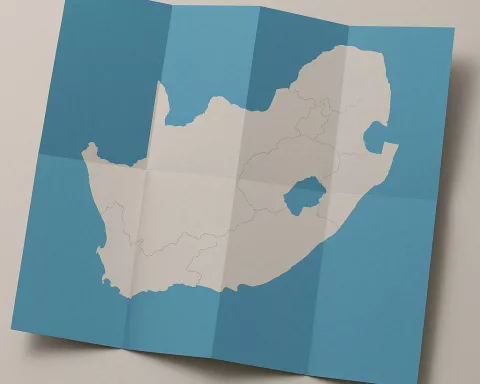
South Africa’s experience echoes the continent’s broader struggles, but also showcases unique strengths. As a country with vast semi-arid regions, it faces frequent droughts, water scarcity, and escalating heatwaves. In recent years, severe storms have added to the list of challenges, causing damage that ripples across urban and rural communities alike. Farmers, already adapting to erratic weather, now confront growing risks that threaten their way of life and the country’s food supply. Meanwhile, the rich biodiversity that supports rural economies faces constant pressure from habitat loss and climate change.
Despite these hardships, South Africa has adopted a proactive and innovative approach. Minister Nzimande outlined a comprehensive strategy led by the Department of Science, Technology and Innovation (DSTI), which has spent two decades building what he calls the “Science Mission on Global Change and Biodiversity Science.” This ambitious initiative brings together researchers from diverse backgrounds to tackle environmental issues at both national and international levels.
Key programs include the South African Environmental Observation Network (SAEON) and the Alliance for Collaboration on Climate and Earth Systems Science (ACCESS). These initiatives gather extensive data, support modeling of climate impacts, and encourage collaboration across institutions and regions. By rooting research in both urban and rural universities, South Africa breaks away from the old paradigm where only select institutions held influence, instead promoting distributed knowledge and shared leadership.
Laying Foundations: Infrastructure and Policy Synergy
South Africa’s approach to environmental challenges relies on robust knowledge infrastructures. The South African Risk and Vulnerability Atlas (SARVA) serves not just as a technical resource, but as a dynamic guide for planning, adaptation, and policymaking. By overlaying physical risks with indicators of social vulnerability, SARVA illustrates how environmental changes and social inequalities reinforce one another, making it easier for policymakers to target interventions for maximum impact.
The DSTI’s Decadal Plan for Science, Technology and Innovation provides a strategic roadmap, identifying climate change as one of the grand challenges facing society. This plan ensures that research investments translate into practical solutions, with platforms such as the South African Research Infrastructure Roadmap (SARIR) uniting thirteen major research facilities. Programs like the National Equipment Programme and the Centres of Excellence further strengthen the capacity for scientific discovery and train the next generation of researchers.
Collaboration doesn’t end at the lab door. South African institutions work closely with government agencies such as the Department of Forestry, Fisheries and Environment. Together, they tackle issues ranging from atmospheric pollution to marine resource management, all informed by rigorous scientific evidence. On the international front, South Africa participates actively in conventions focused on climate, biodiversity, and desertification, advocating for the continent’s interests while learning from global peers.
Empowering the Next Generation: Inclusion and Integration
A defining feature of the conference was its focus on inclusion and capacity building. Young scientists, many from backgrounds previously excluded from advanced research, presented innovative work on topics like water management and urban pollution. Their contributions signal a shift towards a more diverse and representative scientific community, one in which young, Black, and women researchers play leading roles. The DSTI’s efforts to increase diversity in research positions underline the belief that broader participation leads to better science.
The conference’s discussions reflected the need for interdisciplinary approaches. Panels examined how environmental issues intersect with economics, public health, and culture, recognizing that complex problems require solutions that cut across traditional academic boundaries. This spirit of integration mirrors the best practices of global research institutions, fostering innovation that is both creative and resilient.
The collaboration between the University of Zululand and Chang’an University stands out as a model for international partnerships rooted in mutual exchange. Instead of the old pattern where knowledge flowed in just one direction, these alliances are characterized by reciprocal learning and shared problem-solving, challenging historical imbalances in global science.
Stories of Hope: Toward a Resilient African Future
The conference’s exhibition spaces brought the continent’s challenges and achievements to life. Visitors learned about communities restoring degraded wetlands, engineers designing infrastructure to withstand drought, and young innovators blending indigenous wisdom with scientific technique. These stories, each unique, together form a tapestry of determination and hope.
The Third International Conference on Earth and Environmental Sciences in Durban was more than an academic event; it was a clear statement of intent. African researchers, students, and policymakers came together not just to discuss challenges, but to claim agency in shaping the continent’s future. Through collective effort, rooted in knowledge and collaboration, Africa can confront its environmental crises and build a more resilient tomorrow.
What is the significance of Earth and Environmental Sciences for Africa’s environmental challenges?
Earth and Environmental Sciences are crucial for Africa as they focus on local research, innovation, and collaboration to address the continent’s pressing issues like climate change, pollution, and biodiversity loss. By empowering African scientists and institutions to lead research tailored to Africa’s unique environmental conditions, these sciences help develop sustainable, context-specific solutions that support resilience and ecological health.
Why was the Third International Conference on Earth and Environmental Sciences in Durban important?
The conference marked a milestone by bringing together scientists, policymakers, industry professionals, and students to emphasize African-led research and solutions. It highlighted the need for African universities to set their own research agendas, moving away from reliance on imported ideas, and foster partnerships that reflect the continent’s realities. This event reinforced Africa’s growing leadership role in global environmental research and policy discussions.
How does Africa’s environmental situation uniquely impact its communities?
Africa faces heightened climate shocks such as droughts, heatwaves, and floods that disproportionately affect vulnerable populations. These environmental stressors threaten food security, economic stability, and livelihoods, especially in rural areas dependent on agriculture. For example, millions of Africans living in poverty risk extreme weather impacts in the coming decade. However, communities are adapting through innovative farming techniques and traditional knowledge, fostering resilience despite these challenges.
What role does South Africa play in advancing environmental science and policy?
South Africa leads the continent with strong science programs and partnerships, such as the Science Mission on Global Change and Biodiversity Science, SAEON, and ACCESS. These initiatives collect data, model climate impacts, and promote collaboration between urban and rural institutions. South Africa’s strategic plans and infrastructure investments support comprehensive research and informed policymaking, helping manage environmental crises and promoting sustainability on both national and international levels.
How does South Africa integrate science with policy and infrastructure to address environmental challenges?
South Africa employs tools like the South African Risk and Vulnerability Atlas (SARVA) to combine environmental data with social vulnerability indicators for effective planning and intervention. The Department of Science, Technology and Innovation’s Decadal Plan aligns research funding and facilities with climate and biodiversity priorities. Collaboration between scientific institutions and government agencies ensures that policies on pollution control, resource management, and conservation are grounded in rigorous, locally relevant research.
What efforts are being made to ensure inclusion and the empowerment of future African environmental scientists?
There is a strong emphasis on increasing diversity and capacity building within African environmental sciences. Initiatives focus on involving young scientists, especially women and historically excluded groups, to foster a more representative and innovative research community. Interdisciplinary approaches are promoted to tackle complex environmental issues holistically. International partnerships, like that between the University of Zululand and Chang’an University, also prioritize reciprocal learning, supporting sustainable growth of African scientific leadership.