Two rare sevengill cow sharks washed up on Strand Beach with deep wounds likely caused by orcas, powerful sea hunters known for taking shark livers. This surprising event brought scientists and locals together, turning the beach into a lively classroom where everyone learned about these ancient sharks and their important role in the ocean. The strandings revealed not only the dangers these creatures face but also how humans and nature are connected in protecting the fragile marine world.
What is the mystery behind the sevengill cow sharks stranded at Strand Beach?
Two sevengill cow sharks recently stranded at Strand Beach with deep wounds likely caused by orca predation. These rare events highlight the sharks’ role as ancient apex predators and raise concerns about ecological shifts, prompting community engagement and scientific investigation into marine conservation.
A Somber Discovery on the Shore
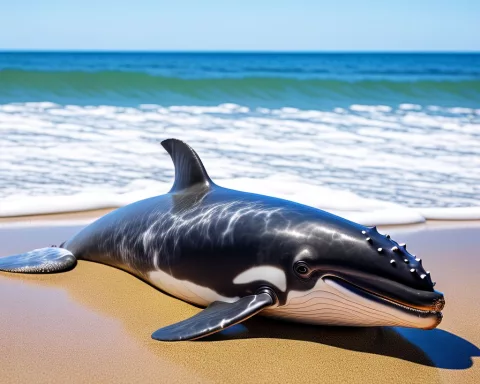
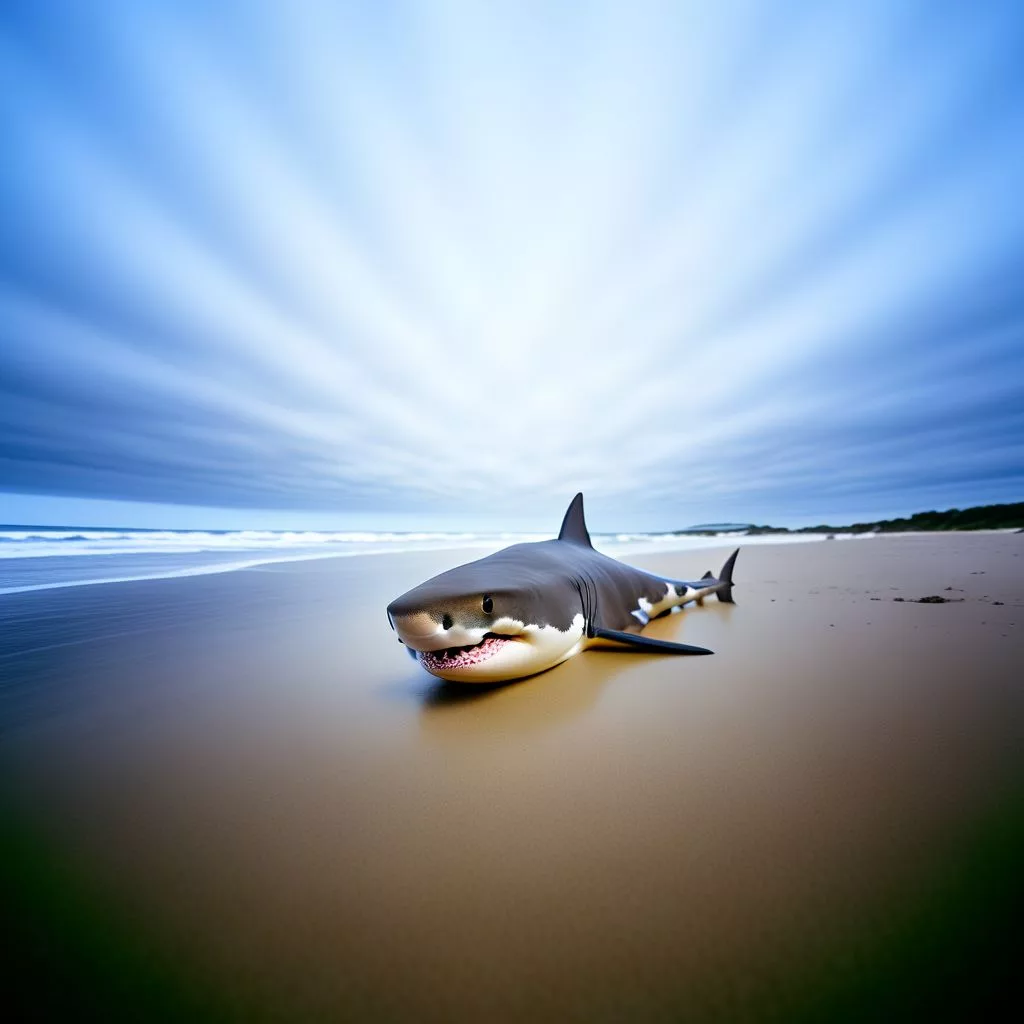
Just after dawn broke over the Western Cape, Strand Beach became the stage for a striking and unusual event. Residents, their curiosity piqued by the commotion at the water’s edge, gathered around the lifeless form of a female sevengill cow shark lying on the sand. Her still body, pale under the overcast sky, drew in not only locals but also passersby who wondered at the rare sight. Before the shock could subside, a second shark—its sex unverified—washed up in almost the same location less than a day later, deepening the mystery that now hung over the shoreline.
The unexpected appearance of these sharks sent ripples through the community, quickly attracting marine biologists, environmental activists, and fascinated onlookers. The beach transformed into a temporary hub for investigation and education. Scientists mingled with concerned residents, handling the situation with a mix of scientific rigor and compassionate outreach, as though the sands themselves had momentarily become the pages of a living natural history book.
This convergence of experts and locals gave rise to a spontaneous learning environment. People of all ages hovered near the scientists, eager to witness the unfolding inquiry. The rare strandings not only unsettled those present but also ignited a sense of collective responsibility and curiosity, pushing the community to look deeper into the life and fate of these enigmatic creatures.
Investigating the Mystery: Science Meets Community
Lisa Starr, a dedicated member of the Helderberg Ocean Awareness Movement, played a crucial role in mobilizing a response. She immediately contacted the Shark Spotters research team, known for their vigilant monitoring of the area’s marine life. Their quick arrival showcased the value of collaboration between passionate local advocates and scientific professionals—a partnership reminiscent of early naturalist traditions where both observation and action went hand in hand.
Without delay, the research team began a careful examination of the sharks, noting every detail and collecting crucial data. They documented the size, appearance, and condition of both animals before overseeing their respectful removal from the beach. This not only spared beachgoers further distress but also protected the local ecosystem from possible contamination or disruption.
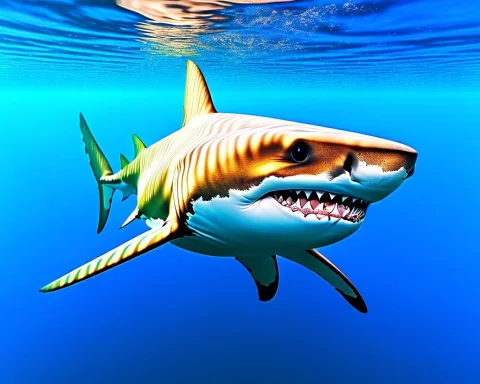
The team’s approach combined deep respect for these ancient animals with a clinical eye for detail. Sevengill cow sharks are often labeled “living fossils,” their unique lineage stretching back to the time of the dinosaurs. Their distinct features—a broad, blunt snout and slate-gray body—invoke images of vanished prehistoric seas, connecting the present to distant eons in a way few modern creatures can.
Predators and Prey: Clues from the Carcasses
A closer look at the stranded sharks revealed troubling signs of violence. Both bore deep rake marks along their sides, and each had a singular, gaping wound near where the liver once resided. These injuries fit a familiar pattern: they matched those inflicted by orcas, nature’s apex marine predators renowned for their intelligence and hunting prowess. The complete removal of both livers offered further evidence, as orcas are known along South Africa’s coastline for their remarkable skill in targeting this organ, prized for its high nutritional value.
Despite this clear forensic link, an element of uncertainty lingered. No recent sightings of orcas had been reported in the bay, leaving a gap between the evidence and the open water. The unanswered question—what brought these orcas here, or could another predator be at work?—cast a shadow of intrigue over the proceedings. The scene, filled with unanswered questions, became reminiscent of unresolved mysteries found in classic literature and art.
While researchers pursued answers, the Shark Spotters team seized the opportunity to engage with the public, turning the tragedy into a teachable moment. They explained the importance of the sevengill cow shark in maintaining the health of the marine ecosystem. As apex predators, these sharks help control populations of seals, smaller sharks, and fish, keeping the ocean’s food web in balance. Their absence, like any keystone species, signals broader ecological shifts and potential trouble ahead for the entire region.
Guardians of the Deep: The Life and Struggles of Sevengill Sharks
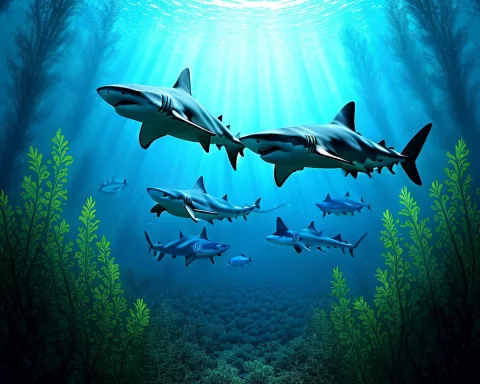
Sevengill cow sharks stand apart from most other sharks due to their seven gill slits—a trait shared by only a few living species. This distinctive anatomy links them to their ancient forebears, making them living testaments to evolutionary endurance. Their adaptability allows some individuals to survive up to fifty years, weathering changes that have doomed countless other ocean dwellers.
Despite their resilience, sevengill cow sharks now face unprecedented threats. Overfishing, habitat loss, and pollution have contributed to a noticeable decline in their numbers, mirroring challenges faced by marine life worldwide. Their struggle underscores a broader crisis in ocean health, where even top predators find themselves at risk from the cascading effects of human activity.
The events at Strand Beach serve as a powerful illustration of these global trends. When such ancient and formidable creatures wash ashore, the alarm bells ring not just for their species, but for the entire ecosystem they help govern. Scientific efforts alone cannot solve these problems; only through the active participation of communities, informed and inspired by such incidents, can meaningful conservation take root.
Unraveling New Patterns: Orca Predation and Human Response
The recent strandings also reflect a larger and increasingly noticeable pattern: orca predation on sharks in South African waters. Over the past decade, marine scientists have observed a rise in these encounters, with orcas showcasing extraordinary adaptability in their hunting techniques. Sometimes they use the currents to their advantage; other times, they rely on coordinated teamwork to isolate and incapacitate a single shark.
Orcas’ preference for shark livers, rich in squalene and vital nutrients, highlights their intelligence and selective foraging habits. This specialized predation is not unlike the daring innovations found in art and culture—an ever-evolving strategy that responds to changing circumstances and opportunities. The phenomenon fascinates researchers and challenges old assumptions about marine food chains.
For Strand Beach’s community, these rare events offered a firsthand glimpse into the hidden dramas playing out beneath the waves. Children pressed closer as scientists described the sharks’ unique physiology and ancient origins. Elderly residents recalled past encounters, threading personal history through the emerging scientific narrative. In that moment, the beach transformed into a vibrant classroom, alive with awe, discovery, and a renewed sense of connection to the living sea.
Looking Forward: Conservation, Curiosity, and the Web of Life
The tale of the sevengill cow sharks at Strand Beach extends beyond the immediate tragedy of their deaths. Their story weaves together themes of adaptation, endurance, and vulnerability. As both survivors and sentinels, these sharks bear witness to the changing fortunes of the sea, offering vital clues about ecosystem health and resilience.
Episodes like these demonstrate the importance of blending scientific research with public engagement. Each observation and every conversation becomes a thread in a larger tapestry, linking the past to the present, and science to storytelling. When researchers share their findings with the public, they foster curiosity and stewardship—qualities essential for safeguarding the ocean’s future.
Conservation efforts today increasingly depend on this interplay of knowledge and empathy. From the shoreline at Strand to international marine forums, advocates push for stronger protections for vital habitats, better management of fisheries, and renewed attention to threatened species like the sevengill cow shark. Their mission draws inspiration from the mysteries that still lurk beneath the waves, reminding us that every discovery is an invitation to look deeper.
Initiatives such as Shark Spotters stand at the forefront of this movement, uniting rigorous fieldwork with effective outreach. Their work shines a light on the secret lives of sharks and transforms moments of loss into opportunities for learning and action. Each stranding, every investigation, becomes a portal to greater understanding—not only of the ocean’s creatures, but of our own role in the ongoing story of life on Earth.
FAQ: Echoes in the Surf – The Mystery of Strand Beach’s Sevengill Cow Sharks
What happened to the sevengill cow sharks that washed up on Strand Beach?
Two rare sevengill cow sharks were found stranded at Strand Beach with deep wounds, likely caused by orca predation. Both sharks had their livers removed, a known hunting behavior of orcas, who value shark livers for their high nutritional content. These strandings surprised the local community and scientists, sparking investigations and public engagement about the sharks’ role in the marine ecosystem.
Why are sevengill cow sharks important to the ocean ecosystem?
Sevengill cow sharks are apex predators with a lineage dating back to the time of the dinosaurs, often called “living fossils.” They help maintain the balance of the marine food web by controlling populations of seals, smaller sharks, and fish. Their presence indicates a healthy ecosystem, and their decline signals broader ecological problems. Protecting them helps preserve ocean biodiversity and resilience.
How do orcas hunt sevengill cow sharks, and why do they target their livers?
Orcas are highly intelligent marine predators that have developed specialized hunting techniques to prey on sharks. They often use coordinated teamwork and ocean currents to isolate sharks and then remove their livers, which are rich in squalene and essential nutrients. This selective predation has been increasingly observed off South Africa’s coastline and may influence local shark populations and ecosystem dynamics.
What role did the community and scientists play after the strandings?
The strandings brought together local residents, marine biologists, and conservation groups like the Shark Spotters and the Helderberg Ocean Awareness Movement. Scientists conducted thorough examinations of the sharks, collected vital data, and safely removed the carcasses. Meanwhile, the community used the event as a learning opportunity, fostering awareness and a collective sense of responsibility toward marine conservation.
What threats do sevengill cow sharks face aside from orca predation?
Besides natural predation, sevengill cow sharks face significant human-induced threats such as overfishing, habitat loss, and pollution. These pressures have led to noticeable declines in their populations, reflecting a wider crisis in ocean health. Conserving their habitats and managing fisheries are crucial steps to ensure their survival and the ongoing health of marine ecosystems.
How can the public contribute to the conservation of sevengill cow sharks and marine life?
Public involvement is vital for marine conservation. Individuals can support organizations like Shark Spotters, participate in coastal clean-ups, promote sustainable fishing practices, and stay informed about local marine issues. Educational events and citizen science initiatives help bridge the gap between research and community, empowering people to become guardians of the ocean and advocates for its fragile inhabitants.