
Electricity scams in Cape Town trick people with fake urgent messages, often sent through WhatsApp, saying their power will be cut off unless they pay right away. Scammers pretend to be city officials and ask for money through unofficial ways like e-wallets, making it hard to get money back. To stay safe, residents should never pay through unofficial channels, always check suspicious messages by calling the City’s official number, and ask workers for their ID cards. Reporting these scams helps protect the whole community from falling victim. Remember: slow down, verify, and don’t let fear rush your decisions!
What are common electricity scams in Cape Town and how can residents protect themselves?
Electricity scams in Cape Town involve fake messages threatening disconnection unless immediate payment is made via unofficial channels like WhatsApp or e-wallets. To protect yourself:
– Never pay through unofficial platforms
– Verify suspicious notices by contacting the City’s Call Centre
– Confirm worker identities with official ID cards
– Report scams to the City fraud hotline or police.
The Rise of Digital Fraud in Cape Town
In recent years, Cape Town residents have faced a new breed of criminal activity as scammers leverage digital tools to exploit everyday anxieties. Imagine waking up to a WhatsApp notification from an unfamiliar number warning that your electricity will be cut off unless you pay a so-called overdue bill immediately. The message feels urgent, threatening, and plausible – after all, nobody wants their lights to go out. But behind this demand lurks a scammer, not a city official.
Digital fraudsters have become adept at exploiting both our reliance on technology and our trust in official channels. By mimicking municipal communications and targeting vulnerable individuals, they provoke fear and urgency. This new wave of scams reflects a larger trend across South Africa’s urban centers, where criminals use technology to manipulate emotions and coerce quick, unthinking responses.
The City of Cape Town’s Electricity Department has responded by issuing public alerts about the dangers of these scams. Officials warn that criminals are now combining the impersonal nature of text messages with direct phone calls to maximize their intimidation tactics. These warnings come in response to a string of documented incidents, including a recent case in the Helderberg area, where a resident received such a fraudulent message and narrowly avoided falling victim through critical thinking and verification.
Anatomy of the Scam: Methods and Motivations
Scammers employ a simple yet highly effective strategy: they impersonate municipal officials and claim the recipient owes money for electricity. They threaten immediate service disconnection if the victim doesn’t pay instantly, typically requesting funds through bank transfers or e-wallet services. These payment methods are chosen for their anonymity, allowing criminals to remain untraceable and making the funds difficult to recover once sent.
The manipulation relies on exploiting fear – a tactic with historical roots in the classic confidence schemes of previous centuries. While the medium has shifted from in-person encounters to WhatsApp messages, the underlying psychology remains unchanged. Scammers depend on the victim’s instinctive reaction to authority and urgency, short-circuiting rational judgment with the specter of losing essential services.
A key factor in resisting these scams lies in pausing and verifying before responding. In the Helderberg incident, the targeted resident chose not to act immediately but instead contacted the City’s official channels to confirm the legitimacy of the threat. This simple act of skepticism broke the scam’s momentum, highlighting the power of critical thinking in high-pressure situations.
Official Protocols and Community Safeguards
City officials urge residents to familiarize themselves with how genuine municipal communications work. The City of Cape Town never threatens disconnection or demands payment via WhatsApp, social media, or any unofficial communication platform. Nor do officials request payment through personal bank accounts or e-wallets. All legitimate transactions must go through official municipal cash offices or the account details displayed on your monthly bill.
Verification stands as the community’s strongest defense. If you receive a suspicious notice, call the City’s Call Centre before taking action. Sharing information about scams with neighbors and family members – especially those who may be less technologically savvy – fosters a collective vigilance. This sense of shared responsibility has deep roots, echoing older traditions where communities looked out for one another and protected the vulnerable.
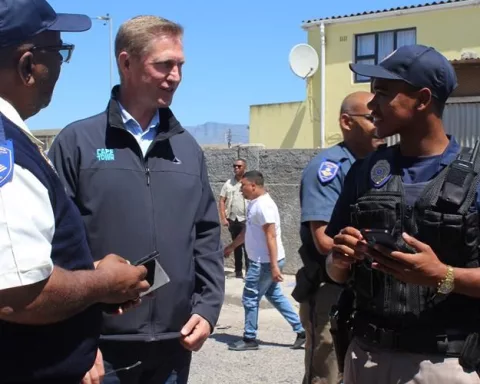
The City also emphasizes the importance of identification when it comes to service personnel. All City staff and contractors are required to carry identification cards featuring the City logo, the person’s full name, and a photograph. Residents should not hesitate to check these credentials or call the City to confirm any work being done on their property. This practice ensures transparency and helps maintain trust between citizens and municipal workers.
Building Resilience Against Scams
Reporting remains a crucial component in combating digital fraud. Cape Town residents have access to multiple reporting channels, including a dedicated fraud hotline, a specialized email address, and the local South African Police Service. Promptly reporting suspicious activity enables authorities to track new scam trends and warn the broader community, creating a stronger overall defense network.
Internationally, cities face similar challenges as criminals continually adapt to new technologies and local customs. Some cities in Japan use mascots to raise fraud awareness, while American neighborhoods offer digital safety workshops. These global responses reinforce the idea that resilience is both an individual and collective effort, blending vigilance, education, and cooperation.
For older residents unfamiliar with digital platforms, family support is essential. Regular conversations about potential scams and reminders of safe practices help protect against manipulation. This intergenerational sharing of knowledge is reminiscent of oral traditions, where warnings and wisdom pass down to safeguard loved ones.
Ultimately, the fight against digital scams in Cape Town is a shared responsibility. Trust between residents and institutions depends on clear communication and a commitment to transparency. Through awareness, verification, and community action, Cape Town can create an environment where scams are recognized and stopped before they cause harm.
Important Contacts for Residents:
– City of Cape Town Call Centre: 0860 103 089
– City Fraud Hotline: 0800 32 31 30
– Email: fraud.hotline@capetown.gov.za
– SAPS: Nearest police station
By remaining informed and acting with caution, every Capetonian can help safeguard not only their own household but also the broader community. The lessons learned from recent incidents – slow down, verify, communicate – provide a roadmap to a safer, more resilient city in the digital age.
What types of electricity scams are common in Cape Town?
Electricity scams in Cape Town typically involve fake urgent messages sent via WhatsApp or other unofficial channels. Scammers impersonate city officials, claiming your electricity will be cut off unless you pay immediately. They often demand payment through e-wallets, bank transfers, or other informal methods, which makes it difficult to recover money once sent. These scams use fear and urgency to pressure victims into quick decisions.
How can residents verify the legitimacy of electricity-related messages or calls?
Residents should never trust messages demanding immediate payment via WhatsApp or unofficial channels. Instead, always verify suspicious communications by:
– Calling the City of Cape Town’s official Call Centre at 0860 103 089
– Asking any City workers who visit your home to show official ID cards with the City logo, their full name, and photo
– Checking your monthly municipal bill for official account details before making any payments
Always take a moment to pause and confirm before acting.
What payment methods does the City of Cape Town use for electricity bills?
The City of Cape Town only accepts payments through official municipal cash offices or via the bank account details listed on your monthly electricity bill. The City does not request payments via WhatsApp, social media, personal bank accounts, or e-wallet platforms. Paying through unofficial channels is a key way scammers trick residents.
What should I do if I suspect I have been targeted by an electricity scam?
If you receive a scam message or call, do not respond with payment or personal information. Instead:
– Report the incident immediately to the City Fraud Hotline at 0800 32 31 30 or send an email to fraud.hotline@capetown.gov.za
– Notify your nearest South African Police Service (SAPS) station
– Inform family members and neighbors to raise awareness and prevent further victims
Early reporting helps authorities track scammers and protect the community.
How does the City of Cape Town ensure the authenticity of its workers?
All City staff and contractors are required to carry official identification cards featuring the City logo, the person’s full name, and photograph. Residents have the right to ask for this ID before allowing any work to be done on their property. If in doubt, call the City’s official line to verify the worker’s identity and legitimacy.
What role does community awareness play in preventing electricity scams?
Community vigilance is crucial in combating scams. Sharing information about scam tactics with neighbors, especially vulnerable and elderly residents, strengthens collective defenses. Discussing scam awareness within families helps protect those less familiar with digital platforms. By slowing down, verifying information, and communicating openly, Cape Town residents can build resilience and reduce the impact of these digital frauds.