Elusive Leopards of the Overberg Region: A Glimpse of South Africa’s Hidden Gems

2 mins read
l e

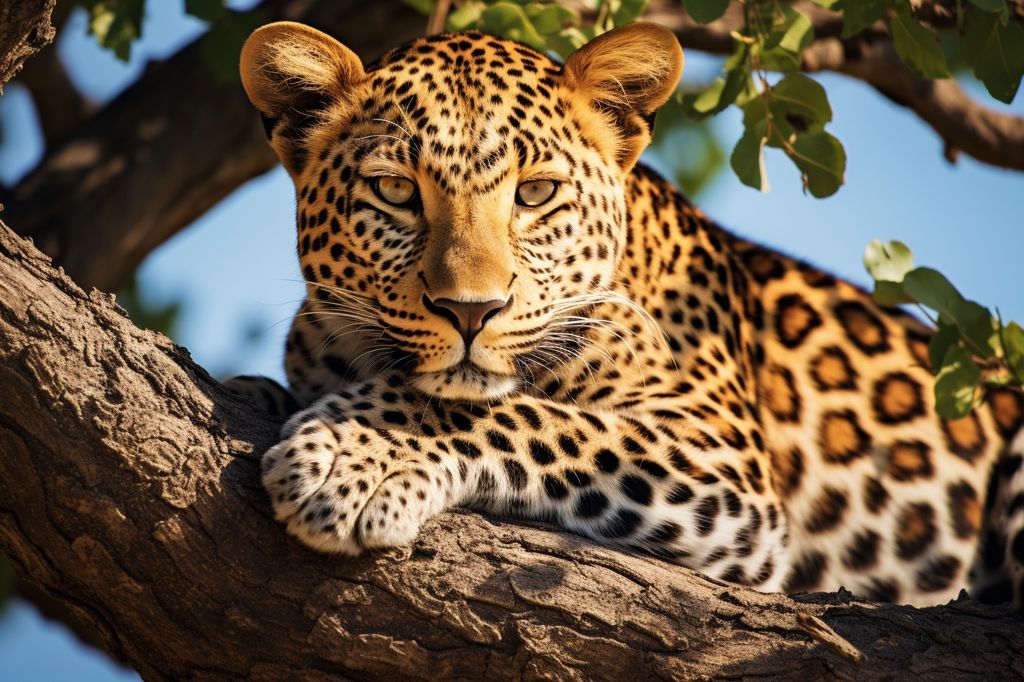
A recent sighting of a leopard in the Agulhas Plain has sparked excitement and curiosity among wildlife enthusiasts and local residents alike. The event took place near the Nuwejaars Wetlands Special Management Area (NWSMA), an organization dedicated to the conservation of this enigmatic species.

Rare Sighting in the Overberg Region

The sighting by farmer Trevor October is a rare occurrence, and images of the leopard have quickly spread across the internet, fueling speculation about the growth of the leopard population in the area. Ross Kettles, the operations manager of NWSMA, acknowledged the uniqueness of the sighting, stating that such encounters are incredibly rare, especially during daylight hours.

Newsletter

Stay Informed • Cape Town

Get breaking news, events, and local stories delivered to your inbox daily. All the news that matters in under 5 minutes.

Join 10,000+ readers
No spam, unsubscribe anytime

Study Conducted by Cape Leopard Trust

In collaboration with the Cape Leopard Trust, a study was conducted to examine the leopard population within the NWSMA and throughout the broader Overberg region. Dr. Katy Williams, the research and conservation director for the Cape Leopard Trust, led the five-month investigation utilizing 86 camera trap sites. The study revealed that the density of leopards in the Overberg region is relatively low compared to other areas like the Boland and the Cederberg. Researchers identified 24 adult leopards and 7 juveniles, with 50 leopard sightings recorded.

Importance of Conserving Cape Leopards

Leopards are classified as vulnerable worldwide, with all African leopards belonging to the same subspecies. Cape leopards differ considerably from their savanna counterparts in terms of size. Dr. Williams notes that male Cape leopards weigh only around 35 kg on average, compared to the 61 kg average for male savanna leopards. Furthermore, these elusive creatures occupy vast territories and exist at significantly lower population densities.

Kettles emphasizes the importance of conserving these last apex predators of the Cape, stating that they have lived secretly in the fynbos for hundreds of thousands of years. Their nocturnal habits, combined with low numbers, make sightings particularly uncommon. However, he assures that there is no cause for alarm if a leopard is spotted, as they will almost always retreat from humans.

Guidelines for Those Lucky Enough to Spot a Leopard

For those lucky enough to spot a leopard in the Overberg, here are some helpful guidelines:
1. Savor the moment; you are witnessing a rare and extraordinary sight.
2. Capture a photograph, if possible, and share it with the location on the Cape Leopard Trust’s online leopard database at app.capeleopard.org.za.
3. Remain calm and poised. While caution is necessary when encountering any predator, Cape mountain leopards are typically wary of humans and will likely retreat unless they feel threatened or cornered. In the rare instance of aggression, a slow, non-confrontational retreat without turning your back is advised.
4. Whenever possible, contribute to the protection of these magnificent animals by reporting potential threats, such as illegal wire snares.

The mysterious leopards of the Overberg region offer a unique opportunity for both wildlife enthusiasts and casual observers alike to appreciate South Africa’s hidden gems while promoting their conservation for generations to come. Conservation initiatives, like those championed by the NWSMA and the Cape Leopard Trust, are crucial to their survival. Protecting their habitat and partnering with organizations is vital for their continued existence.


Sizwe Dlamini is a Cape Town-based journalist who chronicles the city’s evolving food scene, from boeka picnics in the Bo-Kaap to seafood braais in Khayelitsha. Raised on the slopes of Table Mountain, he still starts every morning with a walk to the kramat in Constantia before heading out to discover whose grandmother is dishing up the best smoorsnoek that day.

Previous Story

Cape Town Officials Condemn Threats and Extortion Against City Staff and Contractors

Next Story

Crayon Launches High School Art Competition to Raise Awareness About Childhood Cancer

Latest from Blog

A Teenager in a White Coat: How One Student Shattered South Africa’s Medical Age Record

{“summary”: “Imagine a whiz kid, David Obagbuwa, who started high school at 11 and became a doctor at just 21! He shattered South Africa’s medical age record, proving that a sharp mind and hard work can achieve amazing things. From classrooms in KwaZuluNatal to intense medical studies, David tackled every challenge. Even during lockdown, he quickly mastered his courses. Now, he’s ready to help people, showing that big dreams can come true, no matter how young you are.”}

Martian Dust, Carbon ankles & a R4-million Promise: Inside the 2026 Cape Epic’s Mobility Rebellion

Get ready for the 2026 Cape Epic, but this isn’t just any bike race! Three special teams, using amazing robotic legs and carbon ankles, will tackle the tough trails. They’re racing to raise R4 million to buy 200 new prosthetic limbs, 150 wheelchairs, and 50 sports blades for people in South Africa who need them. Every pedal stroke helps someone gain freedom and move again, showing that movement is for everyone, not just a few. This epic journey turns sweat into hope, changing lives one kilometer at a time.

Cape Town’s Shadow State: How Extortion Became the New Township Taxman

Cape Town has a big problem: bad guys are shaking down businesses and projects for money. They act like “taxmen” in townships, making building costs shoot up and forcing small shops to close. These criminals cause fear, stop important work, and even kill people who get in their way. It’s like a shadow government taking over, making life hard for everyone and costing the city tons of money. People are scared, and it’s unclear how this dangerous situation will ever truly end.

The Woman Who Taught Cape Town to Breathe Under Fire

Arlene Wehr taught Cape Town how to fight fires like a boss! She was one of the first women firefighters and totally changed the game. Arlene created cool new ways to find water, like “Operation Liquid Grid,” and made sure everyone had a chance to become a firefighter, even women. Because of her, Cape Town is safer, and the fire department is much more welcoming to all.

Morea House: Where the Atlantic Meets Art, Granite and Ghost-Nets

Morea House is Cape Town’s first fancy Marriott hotel, born from an old 1960s building. It shines with blushpink walls and art made from old fishing nets, making it feel truly special. This hotel is all about local beauty, from its design to its food, and even how it saves the planet. Imagine rooftop pools, unique spa experiences, and rooms where you wake up to amazing views. It’s a place where every detail tells a story of the ocean and the land, making your stay unforgettable.