The dawn of 5th December 2023 painted a regular picture of Cape Town, with its usual hustle and bustle. However, an extraordinary event was unfolding in the heart of the city. Fourteen ambitious entrepreneurs, all part of the Furniture Light Manufacturing Enterprise Development Programme, were ready to instigate a revolution in the furniture industry. Having successfully navigated the demanding rigours of the programme, they stood on the cusp of a thrilling new chapter.
This thought-provoking programme, conceived by the South African Furniture Initiative (SAFI), sought to reignite the dwindling furniture manufacturing sector. Historically, this sector played a crucial role in the South African economy. However, it had been on a steady decline, manifested by a concerning 46% decrease in exports from 2002 to 2018. Despite the downturn, the industry remained a significant employment provider, sustaining 78,546 jobs in 2020 and contributing 1.20% to the manufacturing GDP the same year.
An Innovative Response: SAFI’s Path to Rejuvenating the Furniture Sector
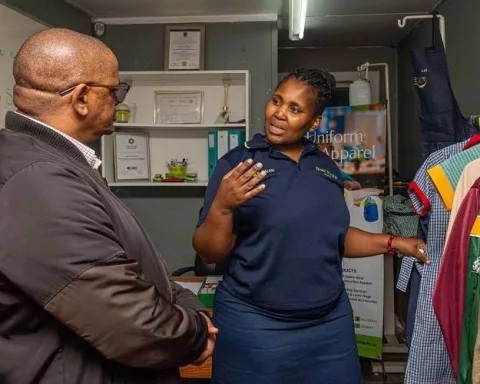
In response to the industry’s decline, SAFI rolled out an innovative programme, tapping into the immense talent within the sector. The programme’s objectives were clear: increase productivity, spur growth, and generate employment opportunities. To achieve these goals, the programme offered a comprehensive mix of technical training, business education, and mentorship support to the participating entrepreneurs.
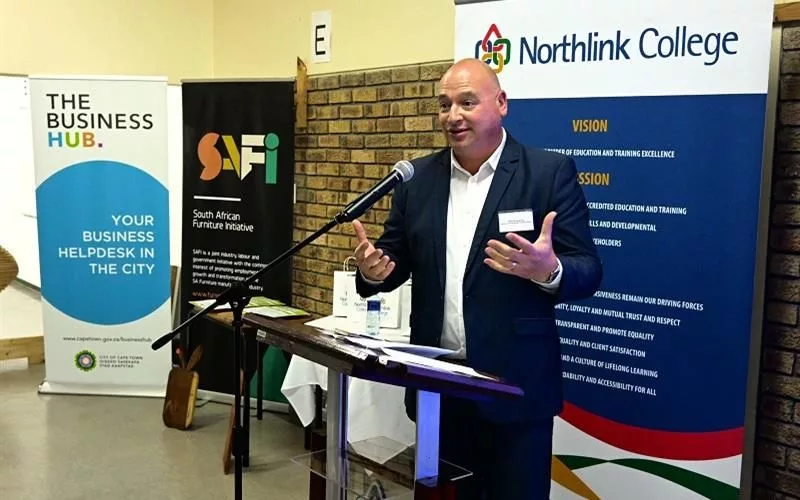
The programme garnered praise from Alderman Vos, a key figure in its implementation, who applauded the initiative’s approach of leveraging the industry’s talent wealth. He commended the programme for unlocking growth and employment potential. He also celebrated the personal and professional growth of the participating entrepreneurs, showcasing their progress as proof of the programme’s effectiveness.
Unveiling Potential: A Showcase at Decorex Cape Town
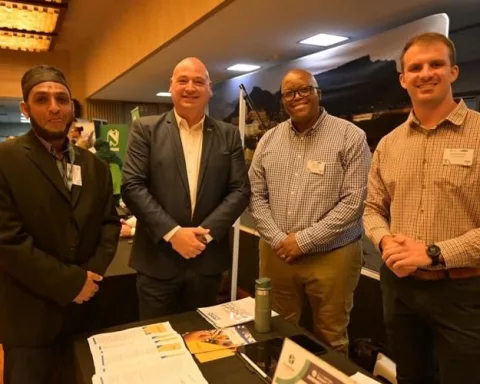
The newly acquired skills of the participants were put on display at Decorex Cape Town, the city’s leading design exhibition. This platform provided the participants with the opportunity to connect with a variety of buyers and designers, fostering an invaluable learning and commercial experience.
Alderman Vos also placed significant emphasis on the role of digital solutions in the modern marketplace. He highlighted the Cape Trade Portal, a city-supported platform that acts as a robust digital marketplace. This platform links local producers directly with buyers and offers a plethora of skills resources. The portal’s success story is noteworthy, growing from 115 registered exporters with 600 products in 2022 to 924 exporters showcasing over 4,000 Cape products in a single year.
A Beacon of Hope: The Future of the Furniture Manufacturing Industry
The Furniture Light Manufacturing Enterprise Development Programme emerges as a remarkable model for the revival of the furniture manufacturing industry. It highlights the untapped potential in the sector, and the importance of innovation, dedicated training, and mentorship. The programme represents a tale of determination, resilience, and entrepreneurial success.
The programme’s profound impact is only now beginning to emerge. As the fourteen entrepreneurs march forward, equipped with fine-tuned craftsmanship, honed business intelligence, and a renewed passion for their industry, they represent more than just future furniture tycoons. They are the custodians of a rich heritage, the flag-bearers of an industry on the verge of resurgence. Their journey reaffirms the power of innovation, the benefits of resilience, and the transformative potential of entrepreneurship. As they step into the spotlight, they bear the hopes and dreams of an industry primed to recapture its former glory.