Cape Town’s programme helps young women become strong leaders by teaching them how to prepare for disasters like floods, fires, and droughts. Through hands-on learning, field trips, and teamwork, these girls gain important skills like first aid and problem-solving. The programme shows them they are powerful agents of change who can protect and improve their communities. By focusing on girls’ leadership, it builds a future where resilience and care guide Cape Town through tough times.
How does Cape Town’s programme empower young women in disaster resilience?
Cape Town’s initiative empowers young women by providing hands-on training in disaster preparedness, leadership, and practical skills like first aid. It fosters resilience through education on hazards, inclusive planning, and community engagement, positioning girls as agents of change in building safer, more resilient neighborhoods.
A Seasonal Celebration of Community Strength
Each cold season, as the Cape’s brisk winds sweep through its vibrant city streets, a unique and quietly transformative event emerges at the center of Cape Town’s commitment to disaster readiness. The City’s [Disaster Risk Management Centre ](https://capetown.today/unsung-heroes-cape-towns-disaster-risk-management-centre-celebrates-first-aid-competition/)serves as the beating heart of this gathering, curating an initiative both practical and profoundly inspiring. Under the banner of ‘Women and Girls: the (In)Visible Force of Resilience,’ the programme has, for over a decade, brought together young minds with a shared thirst for learning and an eagerness to shape their world. The annual winter initiative draws its vision from ongoing United Nations efforts to recognize the crucial contributions of women in disaster preparedness and response.
The origins of this initiative run deep, extending far beyond the walls of classrooms and into the textured fabric of Cape Town’s neighborhoods. The programme engages teachers, students, and entire communities, but it is the winter school holiday event that stands out as its signature achievement. Every July, select students step beyond ordinary lessons and enter a week-long, hands-on exploration, where scientific inquiry meets real-world action and empathy.
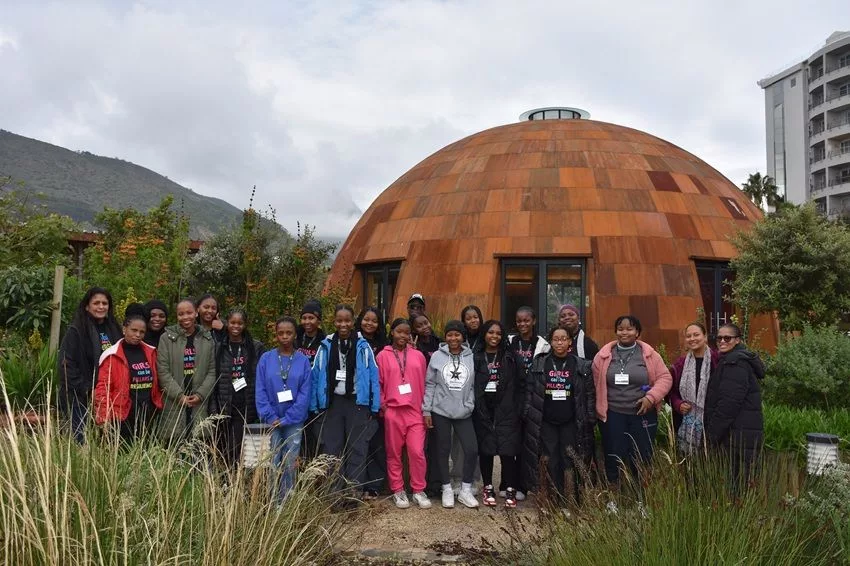
This year’s event saw 19 learners from the Leap Science & Maths School in Langa embarking on an intensive eight-day immersion. Their participation marked a journey brimming with challenges and discovery, as they confronted both everyday and extraordinary hazards. Flooding – an all-too-familiar threat in the city’s informal settlements – shared space with the dangers of fires, the stealth of drought, and the rising frequency of heatwaves. The relentless Cape winds also came under scrutiny, reminding everyone that these risks are not abstract notions but everyday realities for the city’s youth.
Exploring Hazards and Cultivating Solutions
Unlike the distant musings of Romantic artists who painted nature’s untamed power, these students engaged directly with the forces that shape their environment. Through an innovative curriculum, they uncovered the science behind severe weather events, examined strategies to mitigate their impact, and developed a deeper understanding of their own role in community defense.
The programme’s lessons did not stop at theoretical science. Educators wove crucial social themes into every session. Students considered how disaster planning must evolve to include people of all abilities, ensuring that risk reduction strategies don’t leave anyone behind. These discussions fostered not just technical expertise but also a sense of responsibility, showing that true resilience grows from inclusion and shared purpose.
Field excursions formed a vital backbone of the programme, blending classroom theory with practical, firsthand experience. At Koeberg Nuclear Power Station, students engaged with the complexities of nuclear energy – an often controversial yet increasingly relevant topic in the global dialogue on climate solutions. Inside the domed reactors, learners grappled with questions about safety, sustainability, and technological innovation, gaining insights that stretched far beyond textbook knowledge.
The adventure continued at Steenbras Dam, a feat of early modern engineering surrounded by natural beauty. Here, students explored the promise and challenges of hydro-power, witnessing the interplay between the city’s energy needs and the environment’s limits. As water surged through turbines, the learners saw up close how natural resources and human ingenuity can combine to fuel a city, providing a living case study in sustainable development and ecological stewardship.
A particularly memorable day unfolded at the Helderberg Nature Reserve. Amid native flora and the buzz of insects, students rolled up their sleeves and delved into the hands-on art of starting a home garden. This exercise highlighted that disaster risk management isn’t just about emergency response; it also requires fostering food security, preserving biodiversity, and building climate resilience. The simple act of planting became both a lesson in sustainability and a metaphor for growth and renewal in the face of adversity.
Building Practical Skills and Leadership
The programme kept a sharp eye on immediate, life-saving skills as well. Students practiced first aid procedures with growing confidence, turning the theoretical into the practical. Skills like cardiopulmonary resuscitation and fire extinguisher use became second nature, reinforcing the understanding that preparedness translates directly into lives saved.
Throughout the week, personal stories emerged – narratives of transformation and empowerment. A once reserved student took charge during a simulated fire, guiding her peers with newfound authority. Another, captivated by the dam’s engineering feats, eagerly questioned experts, undaunted by technical complexity. These pivotal moments, though brief, planted seeds of courage and curiosity that will continue to flourish long after the programme ends.
The initiative’s influence reaches far beyond the week-long event. Throughout the year, the Disaster Risk Management Centre collaborates with local partners, including Early Childhood Development specialists, to bring disaster awareness workshops directly to Cape Town’s neighborhoods. These workshops democratize critical knowledge, ensuring that even the youngest residents learn not just about risk, but also about effective responses. Drawing on the philosophies of participatory education, these sessions aim to empower rather than simply inform, nurturing a culture of shared responsibility and active citizenship.
Redefining Resilience: The Central Role of Girls and Women
A defining feature of Cape Town’s programme is its unapologetic focus on empowering girls and women. Traditional narratives about disaster preparedness and response often center on male voices, overlooking the essential contributions of women. Research and advocacy by the United Nations have increasingly highlighted a different reality: women are often at the forefront – coordinating evacuations, managing scarce resources, and sustaining families through crisis. Their leadership, both visible and invisible, forms a backbone of community resilience.
This annual initiative turns those insights into action. Girls take on leadership roles, drawing strength from their newfound skills and the encouragement of mentors. The programme aims to help them see themselves not merely as participants, but as agents of change – capable of shaping the safety and future of their neighborhoods. Echoes of historic movements for women’s rights resound through their actions, as education becomes a tool for broader social transformation.
Alderman JP Smith, Mayoral Committee Member for Safety and Security, captured this spirit during his remarks at the closing of this year’s programme. He spoke with conviction about the capacity of these young people, remarking, “I have no doubt that our participants are now equipped with a lifelong, invaluable toolkit to make their households and communities more resilient… It is not only about being fearless in the face of adversity, but also about having the inner strength and confidence to lead by example.”
The dedication shown by these learners – willingly foregoing holiday leisure for challenging training – speaks volumes about their character and sense of responsibility. Their journey, forged through hands-on practice and thoughtful reflection, positions them as champions for disaster risk awareness and preparedness within their communities. Through activities such as roleplay, simulations, and group discussions, they build not only technical skills but also a robust sense of identity anchored in resilience and purpose.
Weaving a Culture of Preparedness
At its core, the ‘Women and Girls: the (In)Visible Force of Resilience’ programme stands as a testament to the power of blending structured education with lived experience. The initiative weaves together scientific inquiry, historical perspective, and a deep respect for human and natural systems. Cape Town, often seen as a mosaic of distinct communities, discovers a shared sense of purpose through these annual gatherings.
In this setting, disaster risk reduction transcends the boundaries of policy and protocol. It becomes a living culture – reimagined and renewed by every cohort of learners. The programme’s success lies not just in imparting knowledge, but in shaping a generation ready to lead, adapt, and support their communities in the face of adversity. As these young women step forward, equipped with knowledge and fueled by compassion, they embody a future in which resilience is not just a goal, but a way of life for Cape Town and beyond.
FAQ: Empowering Cape Town’s Young Women in Disaster Resilience
1. What is the main goal of Cape Town’s programme for young women?
Cape Town’s programme aims to empower young women by equipping them with leadership skills and practical knowledge to prepare for and respond to disasters such as floods, fires, droughts, and heatwaves. It fosters resilience by teaching first aid, problem-solving, inclusive disaster planning, and community engagement, positioning girls as powerful agents of change who can protect and improve their communities.
2. How does the programme engage students beyond the classroom?
Beyond classroom learning, the programme includes hands-on training, field trips, and community activities. For example, students visit key sites like the Koeberg Nuclear Power Station and Steenbras Dam to explore energy and environmental issues firsthand. They also participate in practical workshops such as starting home gardens at Helderberg Nature Reserve, linking disaster preparedness with food security and sustainability.
3. What kind of practical skills do participants learn?
Participants gain essential life-saving skills including first aid, cardiopulmonary resuscitation (CPR), and the use of fire extinguishers. These practical skills are reinforced through simulations and roleplay exercises, helping students build confidence to act effectively in emergencies and lead their peers during crisis situations.
4. Why does the programme specifically focus on girls and young women?
The programme recognizes that women often play a critical, yet underappreciated, role in disaster risk management – from coordinating evacuations to managing scarce resources. By focusing on girls and young women, it challenges traditional gender narratives, empowering them as leaders who can drive resilience and social transformation in their communities.
5. What is the significance of the annual winter event in the programme?
The annual winter event is a week-long, immersive experience held during the school holidays where selected learners engage deeply with disaster risk topics. This signature initiative combines scientific inquiry, leadership development, and empathy-building activities, creating a unique opportunity for intensive learning and community engagement that leaves lasting impacts on participants.
6. How does the programme contribute to building a culture of preparedness in Cape Town?
By blending education, practical experience, and community involvement, the programme nurtures a culture of preparedness that extends beyond policy into everyday life. It promotes inclusion, responsibility, and active citizenship, ensuring that disaster readiness becomes a shared value across Cape Town’s diverse neighborhoods – led by a new generation of resilient young women.
If you’d like to learn more about the programme or get involved, you can visit the City of Cape Town’s Disaster Risk Management Centre website or contact local community organizations involved in disaster preparedness and youth leadership.