Empowering Communities: George Infrastructure Projects Pave the Way for Job Creation and Growth

1 min read
infrastructure economic growth

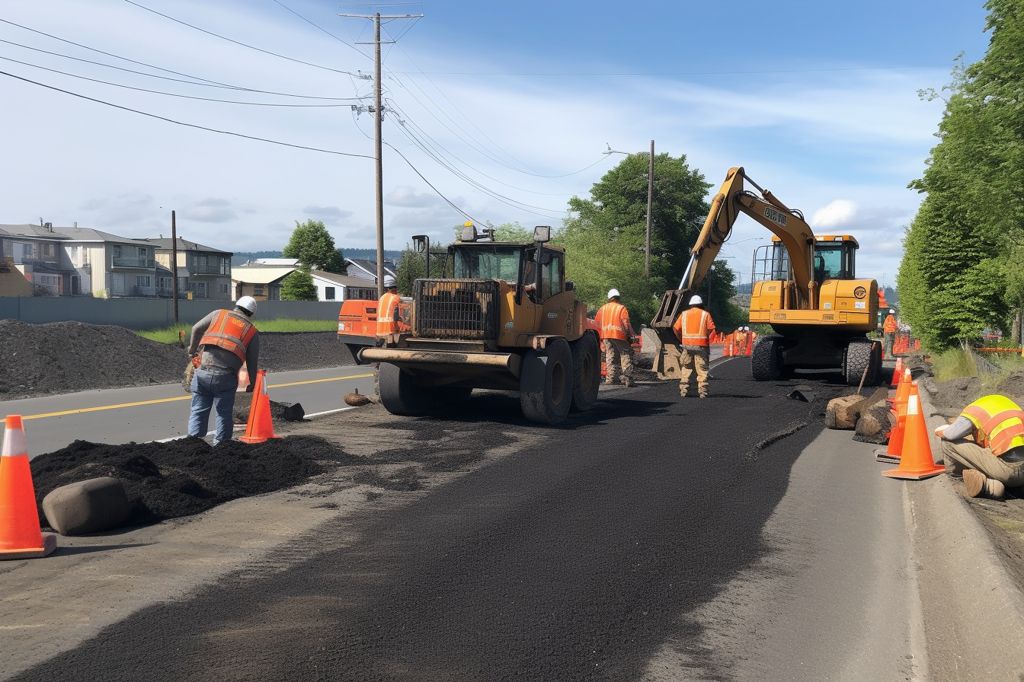
Infrastructure development is a critical aspect of economic growth, creating job opportunities and paving the way for increased economic opportunities and an improved quality of life. In this regard, two significant infrastructure projects in George, South Africa, are set to revolutionize life for local residents: the Gwaing Road upgrade and the Metro Grounds housing project.

The Gwaing Road Upgrade

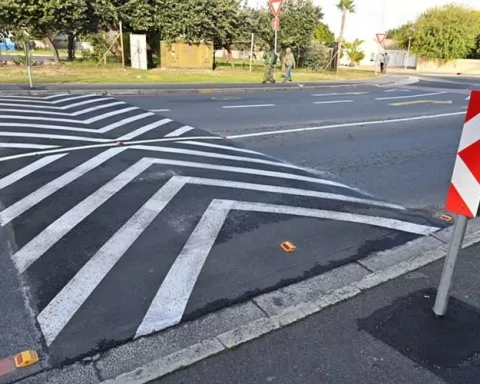
The DR1618 Gwaing Road upgrade is a R67 million initiative that aims to upgrade the road surface from gravel to tar, overhaul the stormwater network, and install 27 new stormwater pipe crossings. The project commenced in December 2022, and already, 44 Extended Public Works Programme (EPWP) workers have been appointed, providing much-needed job opportunities for local residents.

Newsletter

Stay Informed • Cape Town

Get breaking news, events, and local stories delivered to your inbox daily. All the news that matters in under 5 minutes.

Join 10,000+ readers
No spam, unsubscribe anytime

Tertuis Simmers, the Provincial Minister of Infrastructure, expressed satisfaction with the project’s progress, highlighting that a well-maintained transport infrastructure is essential for economic growth. The Gwaing Road upgrade will facilitate the movement of goods and services, transforming it into a critical carriageway for the region.

The Metro Grounds Housing Project

The Metro Grounds housing project is an ambitious housing venture valued at R126.9 million. Launched in September 2022, the initiative aims to construct 436 homes, all equipped with solar geysers for energy resilience. The project has also generated employment opportunities, with 10 subcontractors hired, four of which are women-owned companies.

One contractor, Fiela Wonderlika from Wonilla Construction, expressed gratitude for the chance to contribute to the community’s development and her family’s legacy. The initiative aims to hand over these homes to new owners by June 2023, and Simmers emphasized the importance of delivering quality products on time and within budget.

Imparting Valuable Skills to Workers

Both projects emphasize not just job creation but also skill development, with the Construction Industry Development Board ratings for many contractors expected to improve upon project completion. Simmers stressed the importance of imparting valuable skills to workers, providing them with lasting benefits beyond the contract’s duration.

Community Empowerment

As part of Workers Month, Simmers and his team visited the sites to evaluate the impact of these infrastructure projects on the local community. The Minister emphasized the importance of community engagement, transparency, and efficiency to ensure that these projects’ full potential is realized.

With completion expected by June 2024, both the Gwaing Road upgrade and the Metro Ground housing project offer promising prospects for the region, paving the way for increased economic opportunities, job creation, and an improved quality of life for the residents of George. These projects also demonstrate the government’s dedication to sustainable development and community empowerment, investing in critical infrastructure that will benefit the entire region in the long run.

A Russian-Spanish journalist and Cape Town native, channels his lifelong passion for South Africa into captivating stories for his local blog. With a diverse background and 50 years of rich experiences, Serjio's unique voice resonates with readers seeking to explore Cape Town's vibrant culture. His love for the city shines through in every piece, making Serjio the go-to source for the latest in South African adventures.

Leave a Reply

Your email address will not be published.

Previous Story

Electoral Commission Marks a Significant Milestone: Political Party Funding Act and Financial Statements Submission

Next Story

Florida Gators and RAD Youth Centre Collaborate to Create Self-Sustaining Vegetable Garden

Latest from Blog

From Randburg to the Record Books: How Tyla Rewrote Pop History in 2:45

Tyla, a young artist from Randburg, South Africa, exploded onto the music scene with her song “Chanel.” This catchy tune, made simply on headphones, became a massive hit without biglabel help. Thanks to TikTok and Spotify’s smart playlists, her music found millions of listeners globally. Tyla’s success shows that a great song, shared widely online, can now rewrite music history and reach the top charts, even from far away. She owns her music, giving her power that earlier artists never had.

Cape Town’s “Red Wedge”: How a 900-Metre Airport On-Ramp Became South Africa’s Most Watched Kill-Zone

{“summary”: “The \”Red Wedge\” in Cape Town is a dangerous 900meter stretch of airport road. It’s famous for terrible crimes like carjackings and smashandgrabs, making it South Africa’s most watched ‘killzone.’ This area was poorly designed in the 1970s, which now helps criminals ambush cars. Even with many cameras, police struggle to stop the quick attacks. Now, a big wall is being built, and new tech like drones and special apps are helping to fight back against the robbers.”}

South Africa’s 2025 Beef Surge: When Biology, Red Tape and a Thirsty Planet Collide

South African beef prices shot up in 2025, not because of local good news, but because the world ran short of red meat. Fewer cattle everywhere and China’s pork problems made other countries hungry for South African beef. Even with local sickness and people here buying less, farmers made more money. They sold to new places like the Middle East, using special tricks to get around problems. But the future is tricky, with animal sickness, changing weather, and how much money is worth all playing a part in what happens next for South African beef.

A Province That Won’t Stop Knocking on the Constitutional Door

The Western Cape really wants to break away from South Africa, but it’s super hard because of the law. The country’s main rule says South Africa must stay as one, and changing that is almost impossible. Even though many people in the Western Cape feel left behind and want to control their own future, the government keeps saying ‘no’. So, for now, the Western Cape has to find other ways to get more power without leaving the country.